UN Findings: Women in Afghanistan Nearly Four Times Less Likely to Access Formal Justice Mechanisms
Sunday, March 8, 2026
Kabul - Women in Afghanistan are nearly four times less likely than men to access formal justice mechanisms, according to new UN findings in Afghanistan released on March 8, International Women’s Day. The findings highlight a widening gap in access to justice that leaves many women without access to safe channels to assert their rights, protect themselves and confront abuses.
The findings show how many women are left without access to safe and effective channels to resolve their claims or hold perpetrators accountable. This exacerbates the crisis for women and girls, who are already subject to a range of restrictions imposed by the authorities.
“When large segments of society face barriers to resolving their claims and seeking redress, trust in institutions is undermined and individuals are left more vulnerable,” said Georgette Gagnon, Acting Head of UNAMA and Deputy Special Representative of the Secretary-General for Afghanistan.
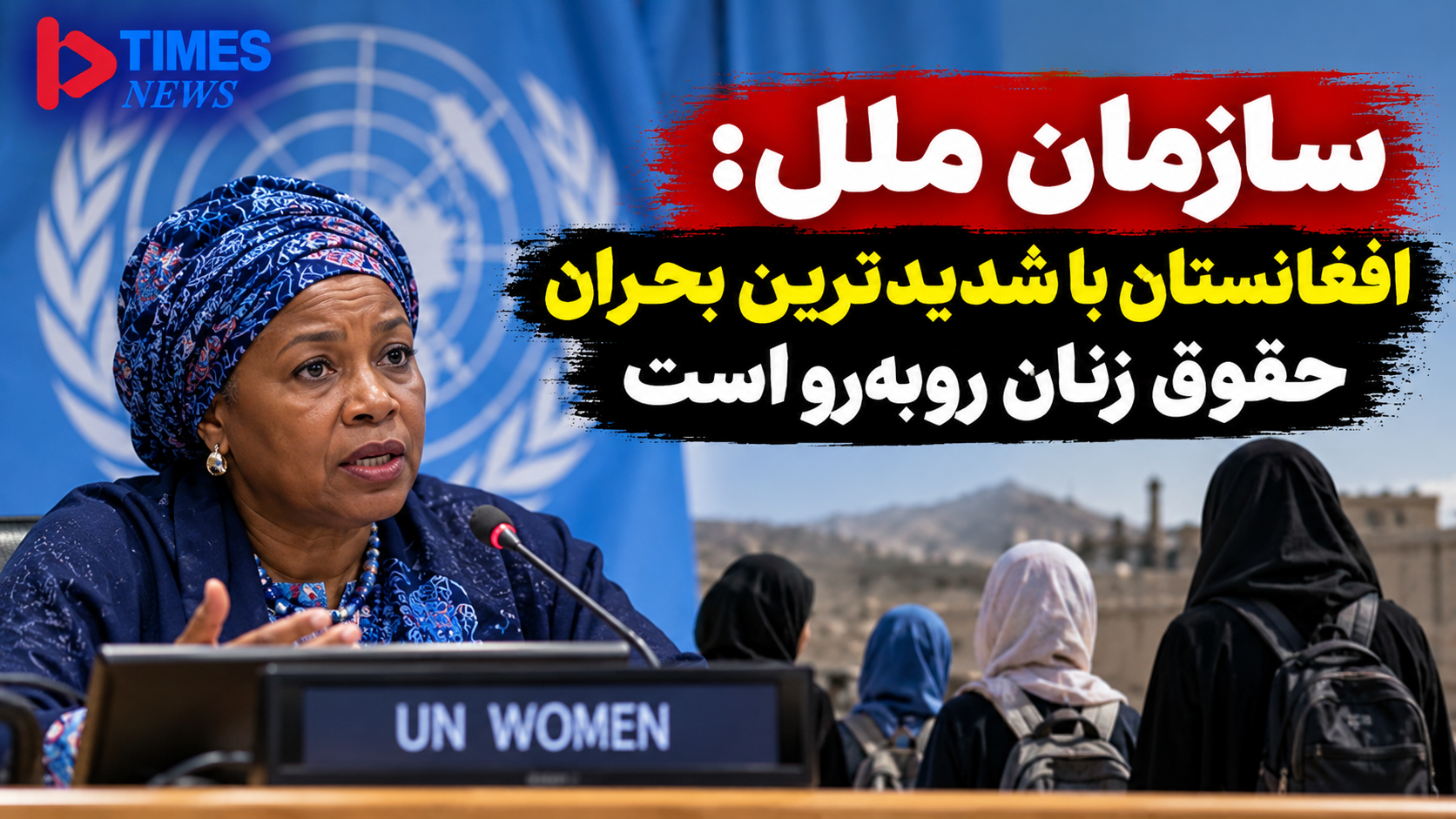
Susan Ferguson, Special Representative of the United Nations Office for Women, said that access to justice is a fundamental and fundamental right for women’s safety and dignity.
“When women are excluded from justice institutions, it erodes their safety, autonomy and the few opportunities they have to seek help outside the home. This is particularly important for women experiencing domestic violence.”
According to the findings, only 14 per cent of women consulted reported having access to formal services to resolve their claims, compared to 53 per cent of men.
These findings are based on national consultations conducted in person and virtually in December 2025 by UN Women, UNAMA and the International Organization for Migration.
More than half of the women consulted noted that access to formal justice mechanisms had worsened over the past year.
Women largely attributed the situation to the authorities’ actions in suspending key institutions and mechanisms, including the Ministry of Women’s Affairs and the Afghan Independent Human Rights Commission, removing women professionals from the legal sector, and the loss of a large number of women-focused service centers.
The authorities’ Decree No. 12 on the Implementation of Ta’zir Penalties, which was shared with the courts earlier this year (2026), has added further obstacles for women seeking protection and accountability from the justice system.
Access to informal mechanisms for resolving disputes, such as jirgas and shuras at the local level, which are traditionally composed of elders and underrepresented by women, has in turn limited women’s ability to resolve disputes and their protection.
Afghan women and men participating in the consultation series called for measures, including strengthening institutional mechanisms to protect women’s access to justice, reviving women-led and women-centered mechanisms for resolving disputes, such as women’s committees at the local level, and supporting confidential counseling services, as well as establishing women’s support centers to provide legal, psychological, and protective services to women.
The global theme for International Women's Day 2026 - "Rights, Justice and Action for All Women and Girls" - calls for action to remove all barriers to equal access to justice, including discriminatory laws, weak mechanisms for legal protection services and abusive practices, and social norms that erode the rights of women and girls.
In Afghanistan, women have almost four times less access to formal justice mechanisms than men.