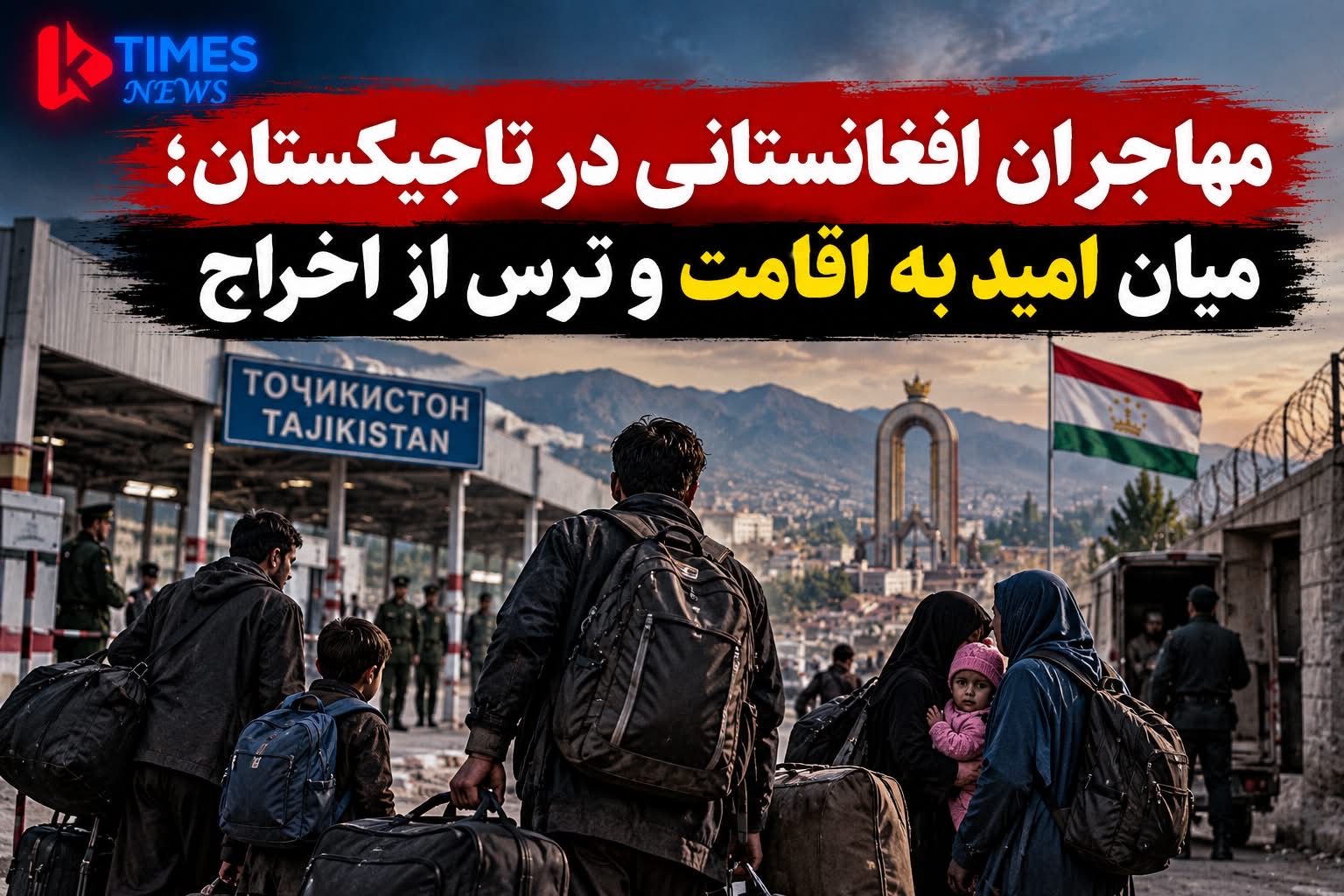
The situation of Afghan migrants in Tajikistan, particularly over the past three years, has been accompanied by growing concerns and uncertainty. The increasing deportation of Afghan migrants from neighboring countries, including Pakistan and Iran, alongside reports of intensified deportations in Tajikistan, has raised serious questions about the future and fate of these migrants.
The deportation of Afghan migrants from Pakistan and Iran began on a large scale and continues. In Tajikistan as well, the residency status and future of a number of Afghan citizens remain difficult and uncertain. Available reports indicate growing concerns over the continued presence of Afghan migrants in the country.
According to the information provided, there are currently no Afghan citizens with active migration cases living in the city of Khujand. It is reported that after an Afghan citizen was found guilty in connection with the murder of a Tajik woman, a number of Afghan families were forcibly expelled from Khujand. The incident also affected the residency situation of other migrants and increased concerns among them.
There have also been reports of two incidents involving murder or suicide in the city of Vahdat last year. According to some sources, these incidents contributed to increasing concerns and pressure on Afghan migrants.
Alongside these developments, some reports indicate that the Taliban government is putting pressure on Afghanistan’s neighboring countries to facilitate the deportation of Afghan citizens. According to some observers, the Taliban may view the presence of Afghan migrants in neighboring countries and related social developments as part of its efforts to gain legitimacy and international recognition for its rule.
Despite these concerns, some Afghans living in Tajikistan continue to engage in cultural, educational, and social activities and travel within the country under the existing circumstances. Cultural and educational activities provide many of them with an opportunity to maintain their connection to their shared language, identity, and culture while continuing their daily lives.
Overall, the situation of Afghan migrants in Tajikistan raises a fundamental question for them: Can this country become a safe and permanent home for them, or will migration continue to mean a life of waiting, anxiety, and uncertainty? The answer depends on residency policies, the security situation, regional cooperation, and the level of support provided by responsible institutions for the rights and human dignity of migrants.
Migration or a Permanent Home? The Uncertainty Facing Afghan Migrants in Tajikistan