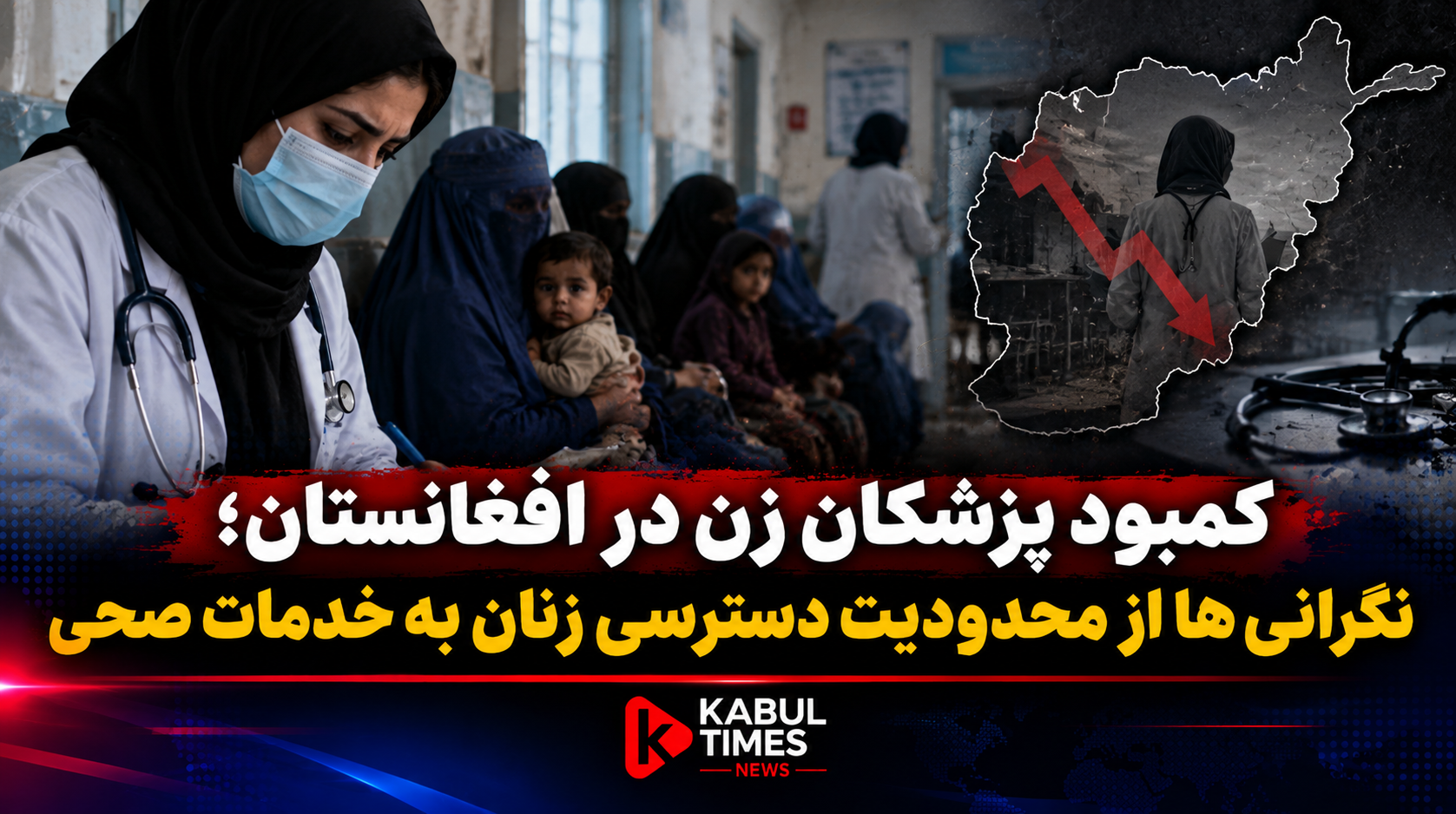
Shortage of Female Doctors in Afghanistan: Concerns Over Limited Access to Healthcare for Women
News Report | Shahbanu Noori
Kabul Times News
The shortage of female doctors in Afghanistan, particularly in remote provinces, has created a serious challenge for women’s access to healthcare services. Educational restrictions, economic hardships, a lack of medical facilities, and the uneven distribution of healthcare personnel are among the primary factors contributing to this situation.
According to a study published in 2025 in the scientific journal *Conflict and Health*, only 18% of specialist physicians and 27% of general practitioners in Afghanistan were women in 2023. The study further indicates that healthcare personnel are distributed unevenly across the provinces, with Kabul accounting for a large share of the country’s specialist doctors.
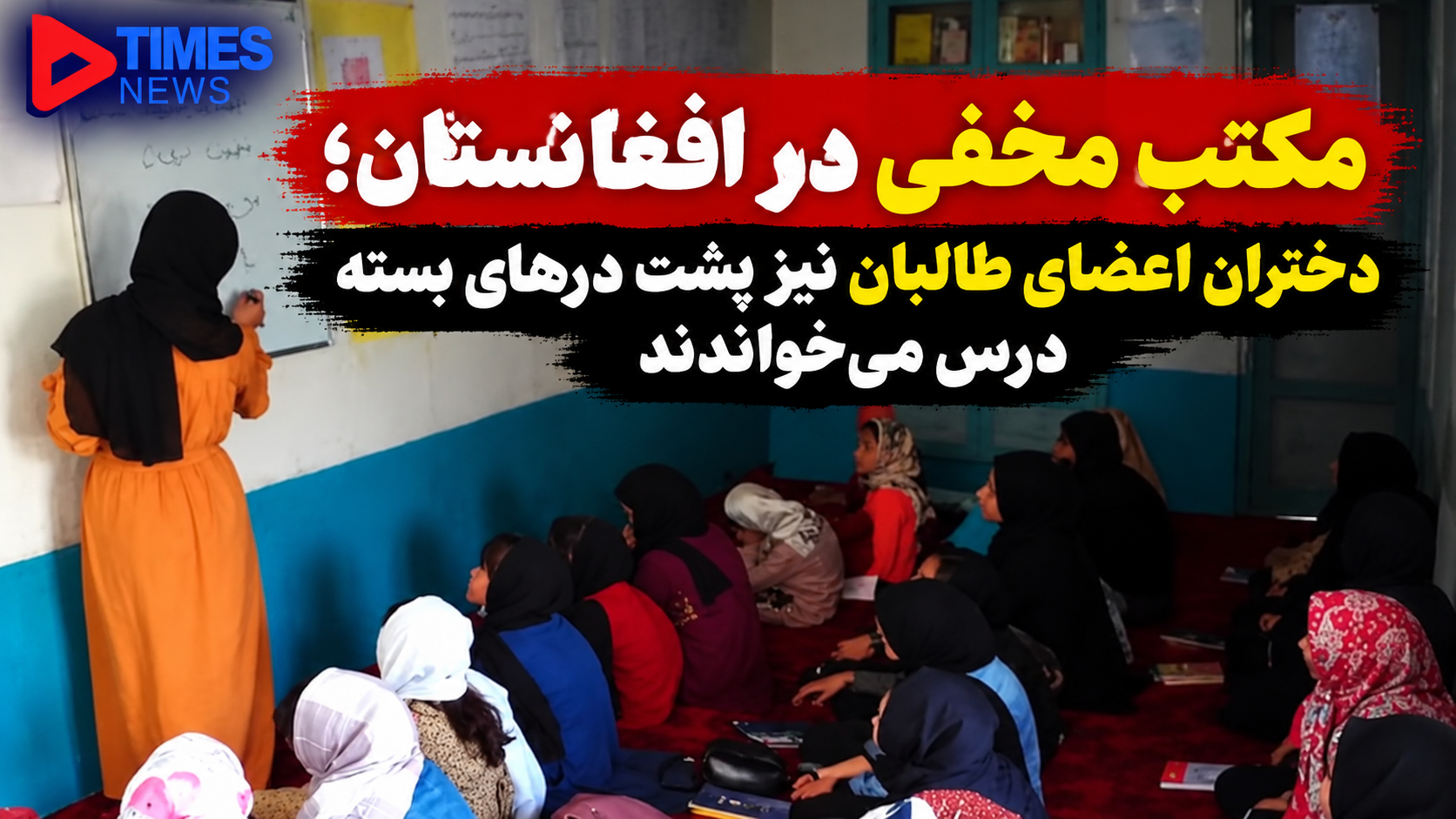
Taliban restrictions on the education of girls and women—especially in medical fields—have raised concerns regarding the future of the female professional workforce. Training physicians takes many years; limiting the entry of new students makes it increasingly difficult to replace doctors who leave the country or are forced to stop working.
In addition to these restrictions, the closure of hundreds of primary healthcare centers in 2025 has impacted access to medical services for millions of people. Long distances to health facilities, travel costs, and the scarcity of female doctors further exacerbate the challenges faced by pregnant women and patients requiring specialized care.
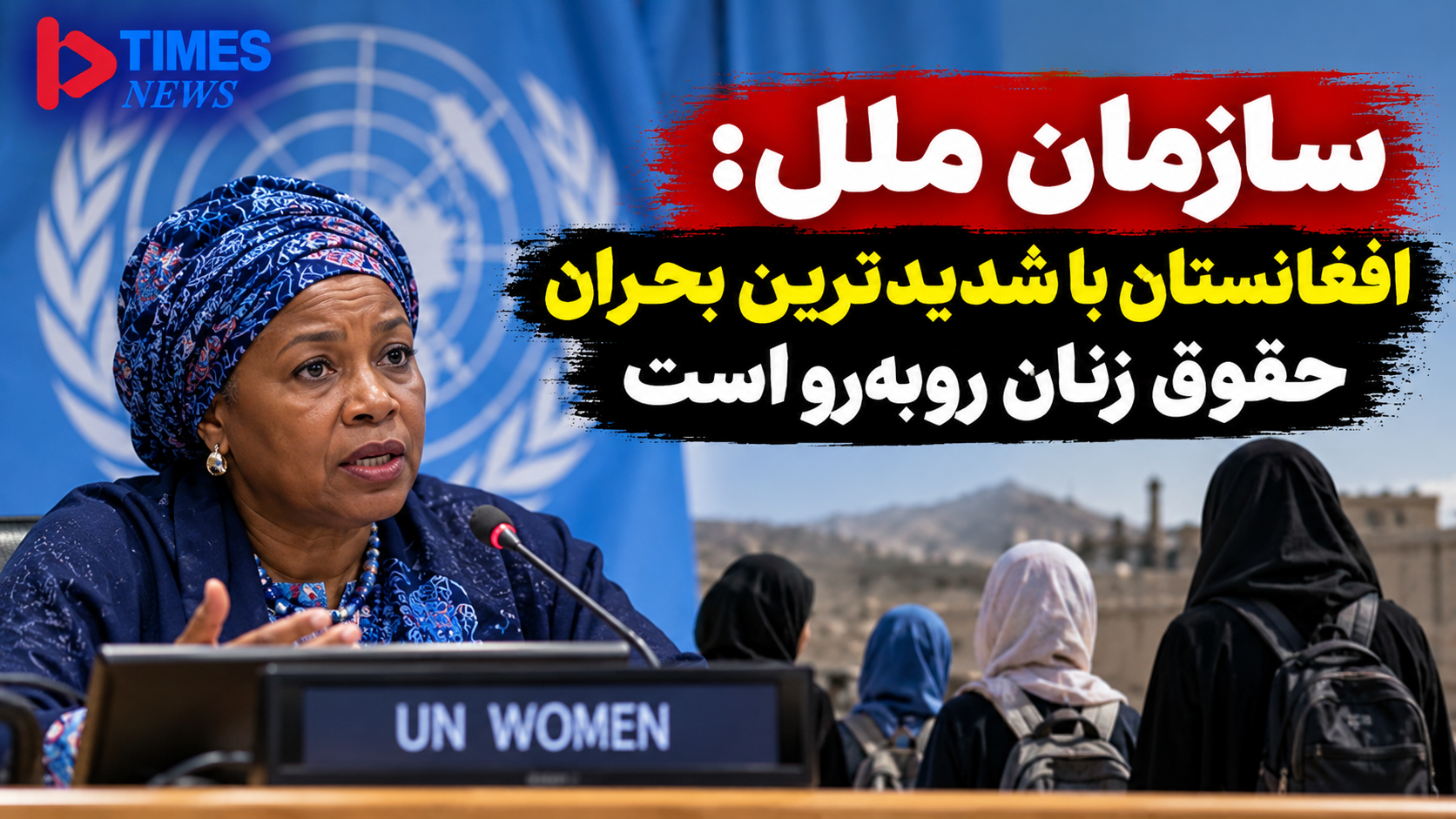
In a 2026 report, UNICEF also warned that the continuation of restrictions on women’s education and employment could lead to a decline in the number of female healthcare workers in Afghanistan by 2030. This figure represents a projection of the potential consequences of current restrictions, rather than a statistic on those who have already lost their jobs.
Experts emphasize that improving this situation requires supporting female healthcare workers, strengthening medical facilities in underserved areas, ensuring an equitable distribution of physicians, and providing opportunities for medical education for girls.
Although comprehensive, up-to-date data confirming an unprecedented decline in the number of female physicians in recent times is unavailable, existing evidence points to a severe shortage and the likelihood that the crisis will intensify in the coming years. If this situation persists, it could make it increasingly difficult for women and mothers to access adequate healthcare services.
Shortage of Female Doctors in Afghanistan: Concerns Over Limited Access to Healthcare for Women