Poverty and Unemployment: Kabul’s Children Turn to the Streets to Support Their Families
News Report: Morsal Rahmani
Kabul – Afghanistan
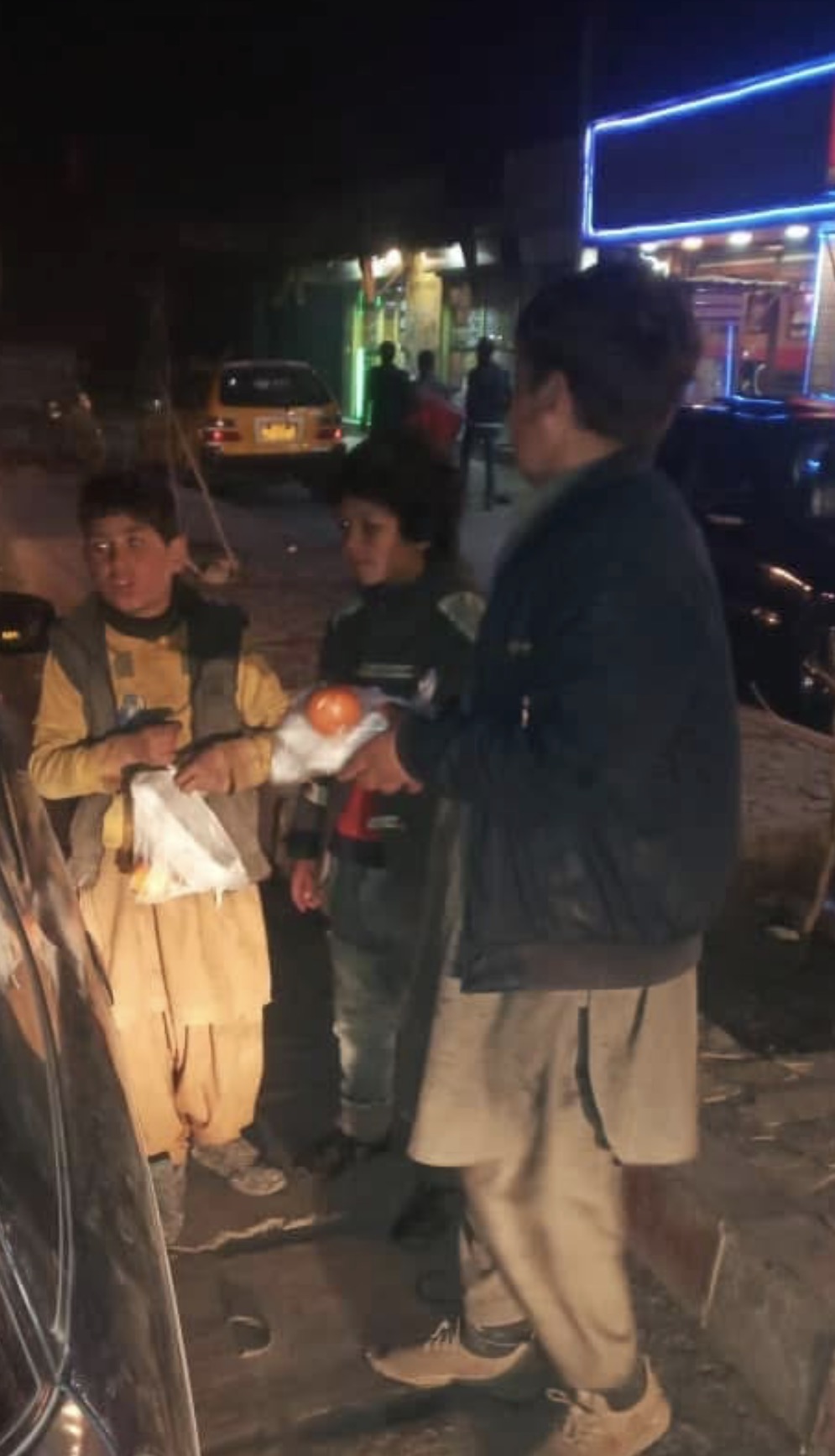
Rising concerns regarding the plight of child laborers and street children in Afghanistan have once again highlighted the consequences of poverty, unemployment, and economic hardship facing families. Instead of attending school and experiencing a childhood in a safe environment, many children are compelled to work on the streets to help meet their families' needs.
According to a report published by the *Hasht-e-Subh* newspaper on July 9, 2026, Kabul residents have expressed concern over the presence of child laborers across the city. These children strive to cover a portion of their families' living expenses by selling water, collecting plastic waste, shining shoes, and cleaning car windshields.
Reports on the situation of children in Afghanistan indicate that economic poverty, limited access to education, and a lack of sufficient support for needy families are key factors driving the prevalence of child labor.
Findings from the Afghanistan Multiple Indicator Cluster Survey (MICS) conducted in 2022–2023—in collaboration with UNICEF—show that child labor remains a critical issue in assessing the country's social and educational landscape.
Street labor can prevent children from continuing their education and expose them to environmental hazards, exploitation, and health issues. Under these circumstances, many children miss out on opportunities for education, play, and healthy development.
Social experts emphasize the importance of supporting vulnerable families, creating job opportunities for parents, and ensuring access to education for children. Expanding support programs and fostering cooperation between responsible bodies and relief organizations can also help alleviate the economic pressure on families.
Given this situation, addressing the issues faced by child laborers and street children requires serious attention and practical action. Supporting needy families, ensuring access to education, and creating economic opportunities for parents can help reduce the number of children on the streets.
No child should be deprived of the right to education, safety, and a healthy childhood due to poverty.
Poverty and Unemployment: Kabul’s Children Turn to the Streets to Support Their Families