September 11: From the Fall of the New York Towers to the Fall of Kabul
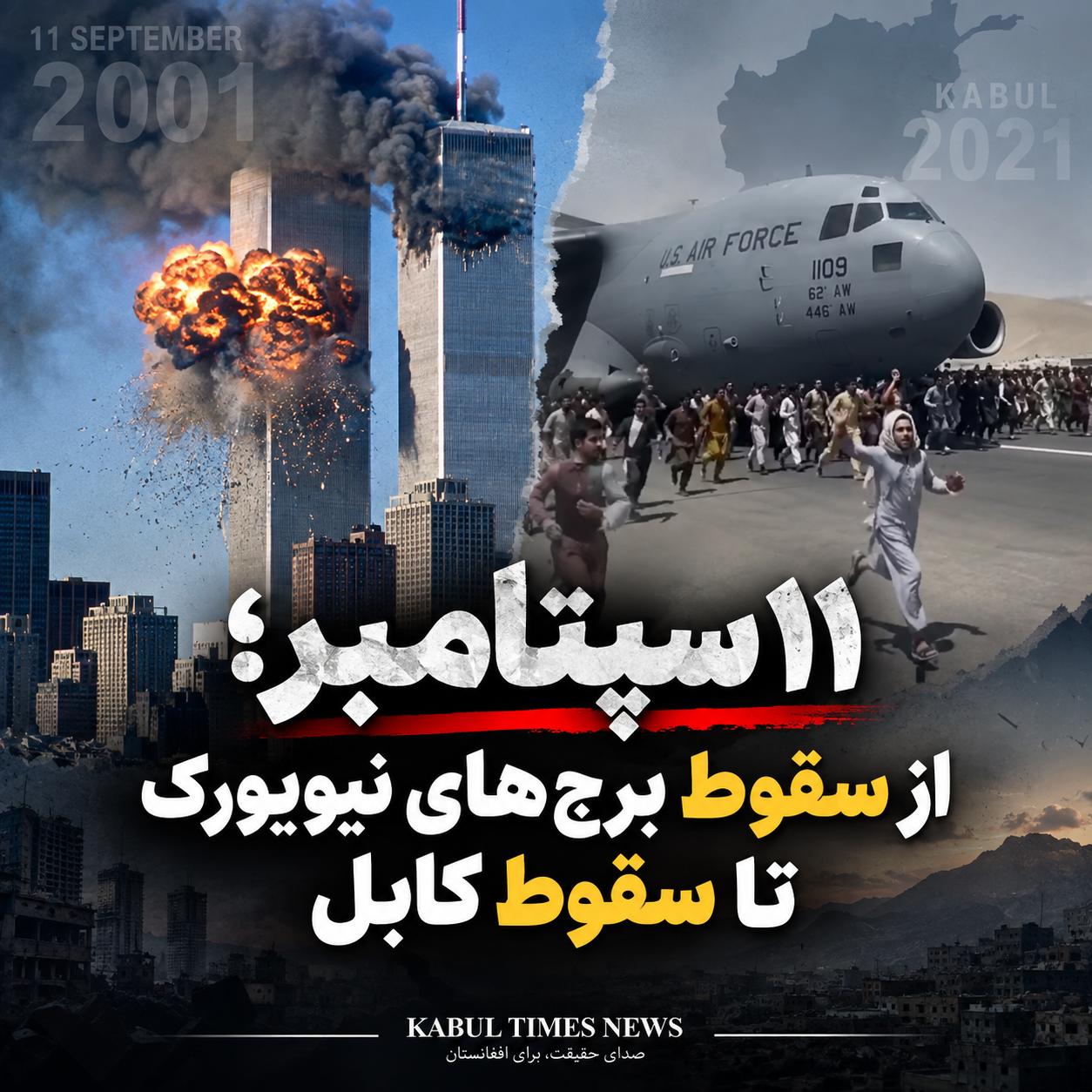
September 11, 2001, became one of the most significant events in modern history, marked by the hijacking of four passenger aircraft; two crashed into the World Trade Center towers in New York, and one struck the Pentagon. These attacks paved the way for the U.S. war in Afghanistan and triggered sweeping political and security transformations within the country.
American Airlines Flight 11 struck the North Tower of the World Trade Center at 8:46 a.m. local time, impacting sections of floors 93 through 99. The fire caused by the aircraft's fuel blocked escape routes for many individuals on the upper floors.
The September 11 attacks marked the beginning of the U.S. war in Afghanistan—a conflict that lasted nearly two decades and concluded with the withdrawal of foreign forces in 2021 and the Taliban's return to power.
Thus, the event that claimed thousands of lives in the United States in 2001 also had profound consequences for Afghanistan—ranging from the outbreak of war and the collapse of the first Taliban regime to the two-decade presence of foreign forces and, ultimately, the fall of Kabul in August 2021.
September 11: From the Fall of the New York Towers to the Fall of Kabul