When a media outlet forgets its victims
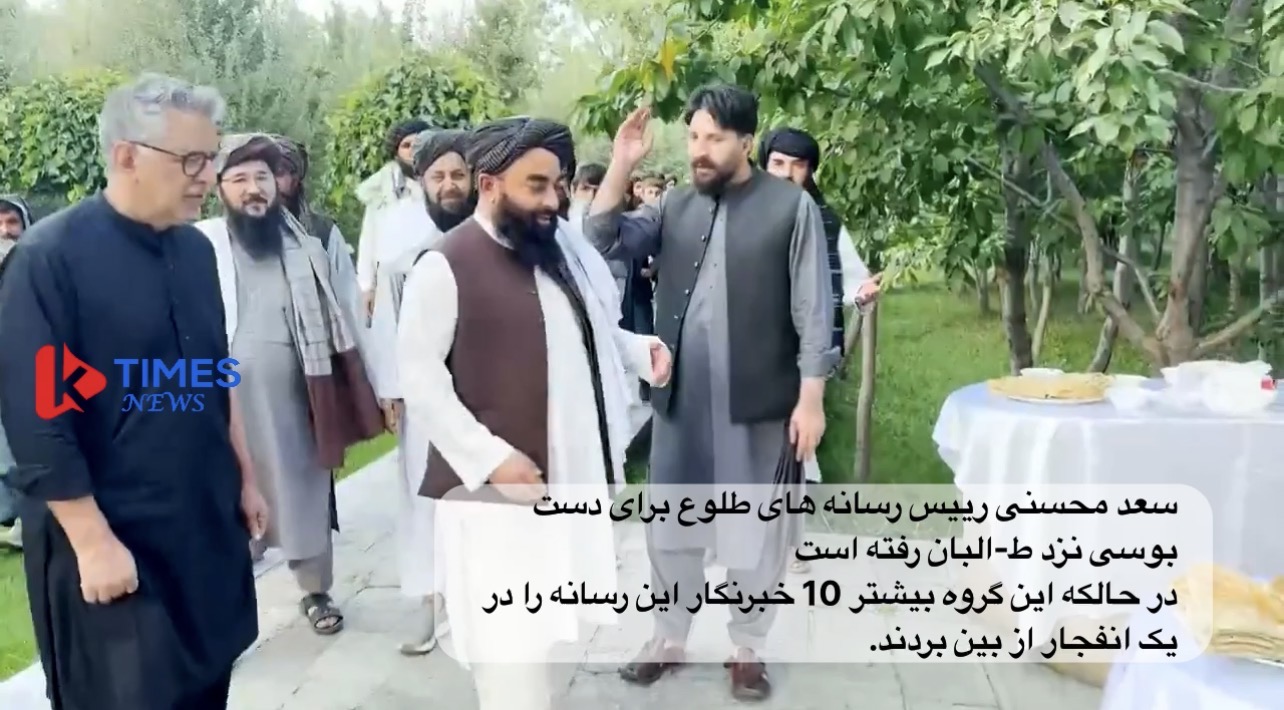
Mr. Mohammadi, the head of Tolo News, published this video with the music of the suicide group T. on his X page, speaking about the network's hosting of Taliban officials and thanking them
Tolo and Moby Group hosting the Taliban in the garden of Mr. Shafiq Gohari, CEO of Moby Group, serious questions about media ethics
What is seen today in the behavior and performance of Tolo Network and Moby Group is regrettable, painful and deeply questionable for the Afghan media community, especially the families of journalists who died defending the truth.
Holding a gathering and hosting Taliban officials in the garden of the CEO of Moby Group, by the leadership of Tolo and Moby Group, is not just an ordinary meeting or a social program. Such an action, considering the Taliban's bloody past against the media and journalists, requires a clear and explicit explanation to public opinion.
Tolo Network is one of the media outlets that has lost a number of its young journalists in deadly attacks by the Taliban and the Haqqani Network in recent years. Journalists who, despite threats, stood up and died to carry out their professional duties and bring the voices of the people to society.
Has the blood of journalists who died in the way of providing information been forgotten so quickly?
The concern becomes more serious when music is played at such an event whose content is interpreted as praising suicide attacks and their perpetrators
But the responsibility does not lie solely with the leadership of Tolo and Mobi Group
The presence of some heads of organizations supporting journalists, managers, and media figures at such an event also raises serious questions. Those who have spoken for years about freedom of expression, media independence, and the rights of journalists must answer today how their presence in such a program can be justified with the principles and values that they have defended for years?
Silence in the face of repression of journalists, restrictions on freedom of expression, and the elimination of independent media outlets, when many Afghan journalists have either been forced to leave the country or are living under pressure and threats, cannot be considered normal and unimportant behavior.
If the media is to be the voice of truth, it must also maintain its independence from power, even when this power is the ruling and dominant power in society.
The media can meet with officials, ask questions, and receive information, but it is a completely different matter for a media outlet to become a space for glorifying, normalizing, or legitimizing a political group.
This is more than a party
This is not just a political or taste difference
The issue is the dignity of the victims, the blood of journalists, the independence of the media, professional ethics and the historical responsibility of the Afghan media community
A society that still bears the scars of suicide attacks on its body and soul cannot easily ignore the praise of the perpetrators of such attacks
Families who have lost loved ones in Taliban and Haqqani Network attacks have the right to ask: Has the blood of our children been forgotten?
And journalists who work in Afghanistan today with fear, threats and restrictions have the right to know whether the country's media institutions stand with them or with the power
The media should not be the loudspeaker of the power. The media should be the voice of truth, the voice of the victims and the voice of those who do not have the power to defend themselves
Tolo and Moby Group, as well as the media figures who attended this event, must explain to the public what the purpose of this program was, why such a hosting was held and what their responsibility is towards journalists who have been victims of violence and terrorism
Forgetting the victims comes at a heavy price for a media outlet because a media outlet that forgets its victims will sooner or later lose the trust of society.
Kabul Times News
When a media outlet forgets its victims