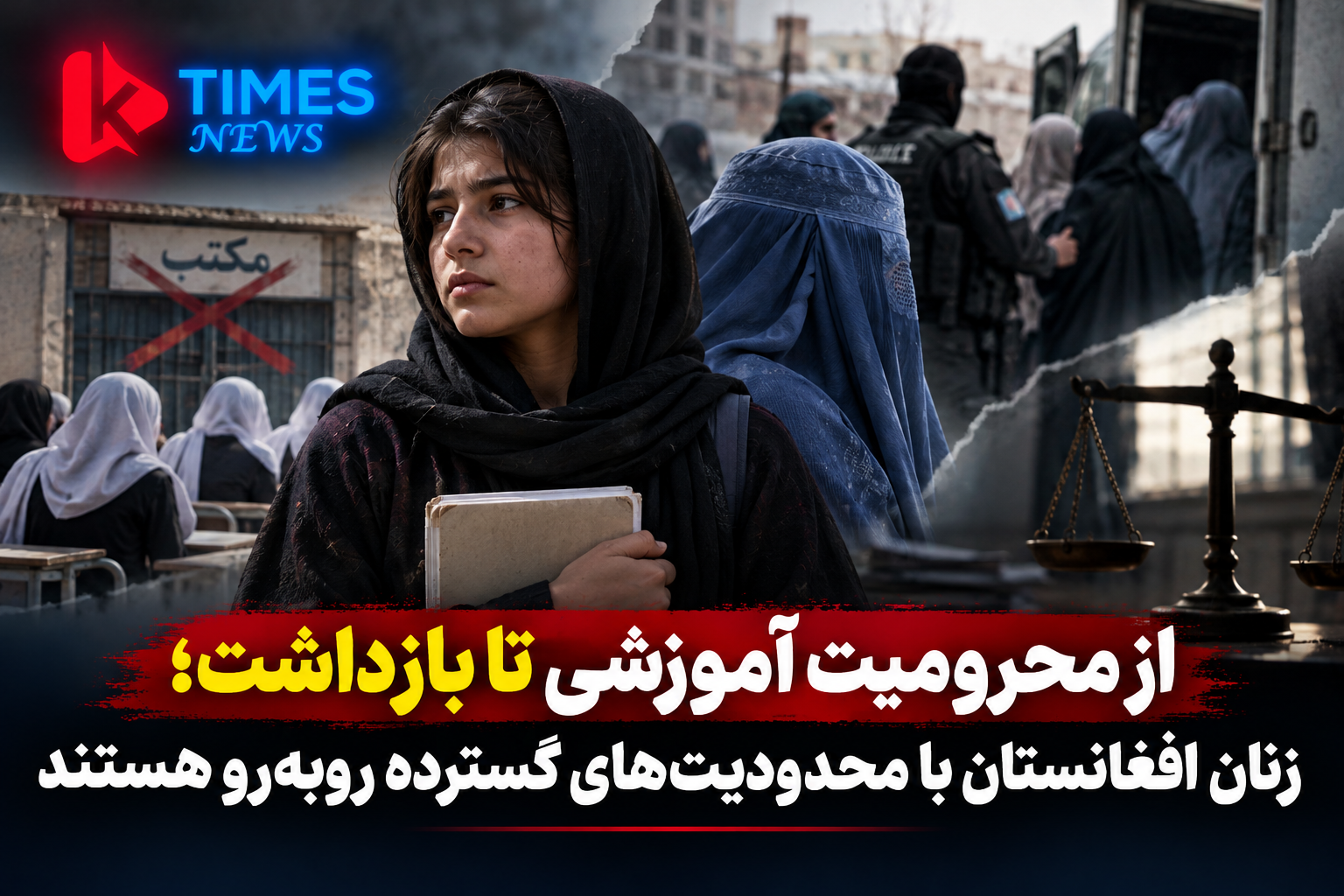
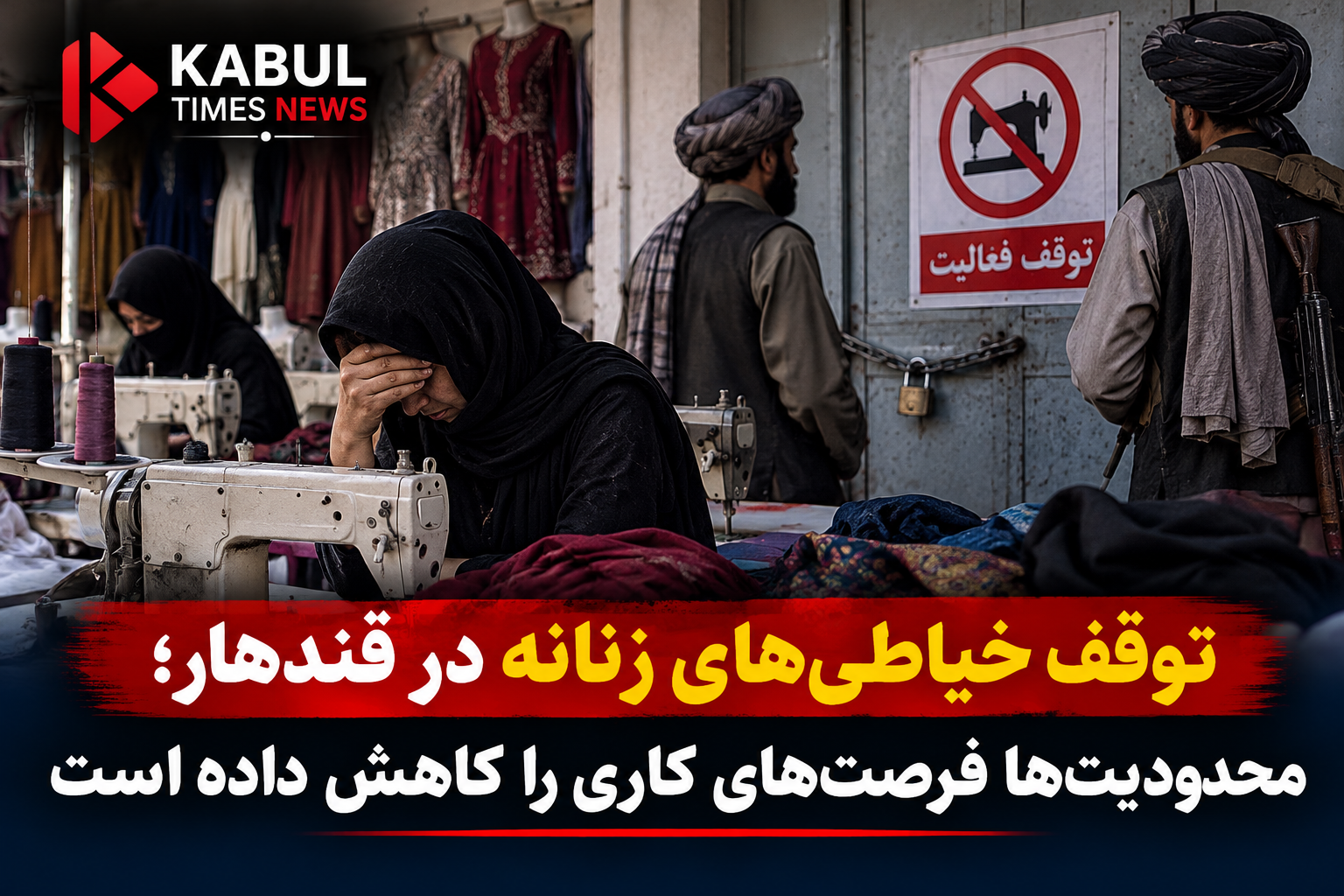
From Denial of Education to Detention: Afghan Women Face Widespread Restrictions
News Report: Shahbanoo Nouri
Kabul – October 2026
Women and girls in Afghanistan continue to face extensive restrictions regarding education, employment, freedom of movement, and access to justice. United Nations reports indicate that these restrictions have impacted women's daily lives, and the detention of women for allegedly violating dress code regulations has raised fresh concerns.
Detention of Women in Kabul and Herat
On October 8, 2026, the United Nations Assistance Mission in Afghanistan (UNAMA) announced that between July and September, at least 52 women and one girl were detained or held in custody in Kabul and Herat for allegedly violating dress code directives. These individuals were released after several hours.
UNAMA stated that the actual number of detentions might be higher due to the underreporting of incidents. The organization also expressed concern over reports of women being subjected to insults, beatings, and threats.
Denial of Education and Employment
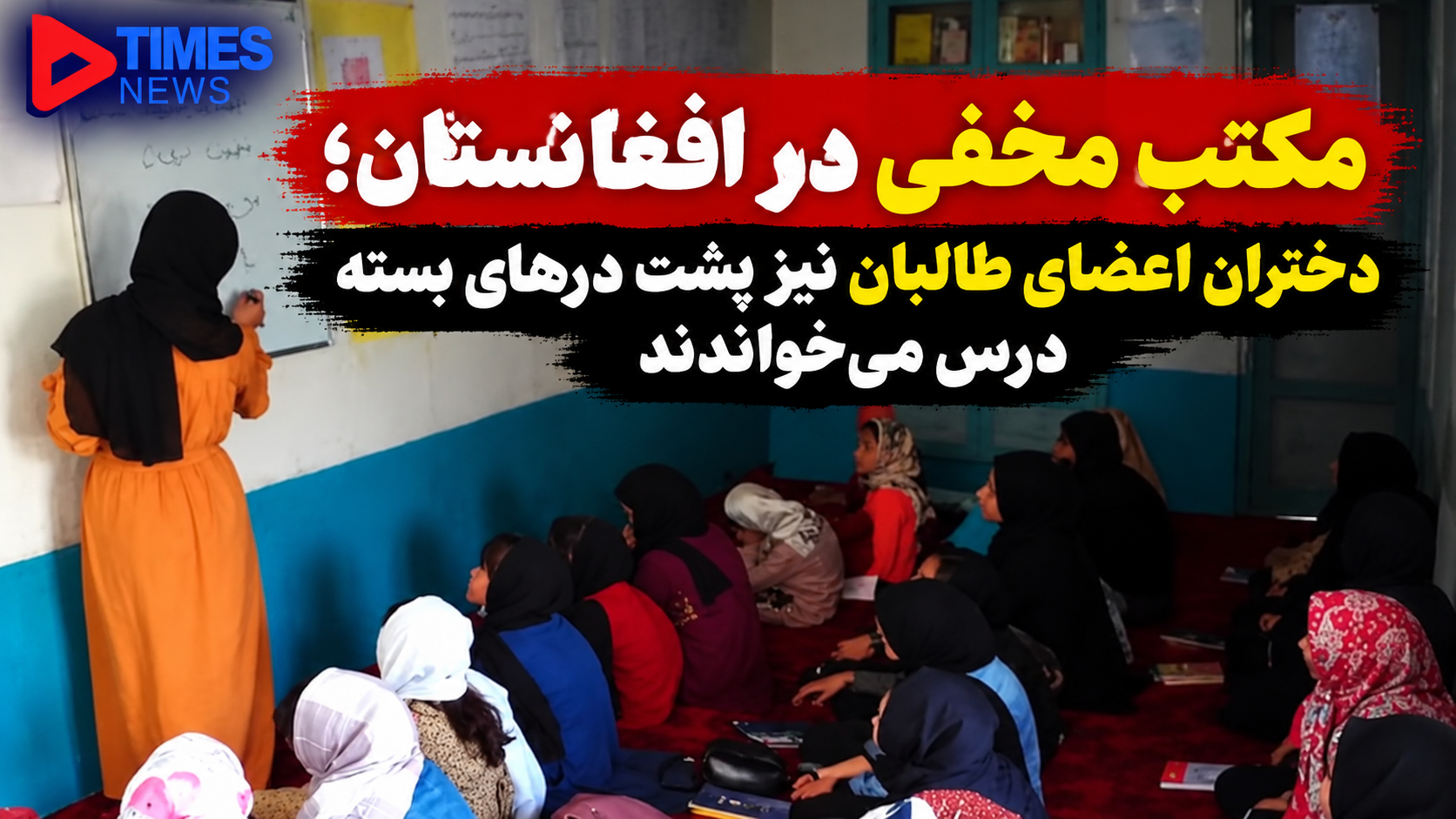
According to data released by UNESCO in August 2026, approximately 2.4 million girls in Afghanistan remain deprived of secondary education. Women have also been barred from entering universities since 2022.
Employment and social restrictions have curtailed women's economic opportunities and hampered the ability of many to provide for their families' needs.
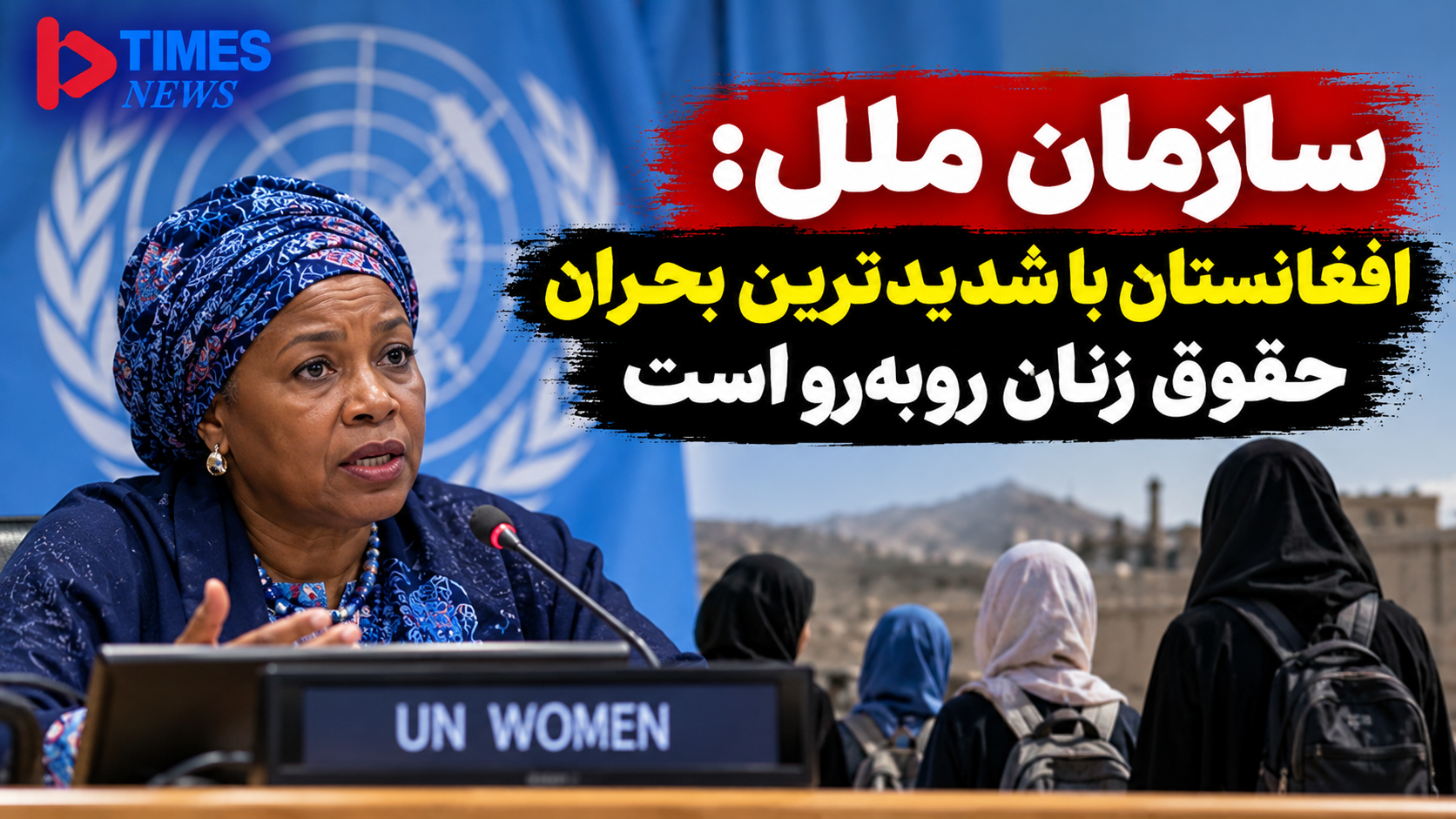
According to the Afghanistan Gender Index report published by UN Women in 2025, Afghan women have realized only 17.3 percent of their potential regarding access to opportunities and measured freedoms. Limited Access to Justice
Findings published by UNAMA, UN Women, and the International Organization for Migration in March 2026 indicate that only 14 percent of the women consulted had access to formal dispute resolution services, compared to 53 percent of men.
This situation has made it more difficult for women to access legal support and pursue their legal rights.
Statistics on Female Prisoners
According to a United Nations report, approximately 1,800 women were held in Afghan prisons as of July 2025. This figure dates back to 2025, and no updated national statistics regarding the total number of female prisoners as of October 2026 were found in the sources reviewed.
United Nations Call to Action
The United Nations has repeatedly called on Afghanistan’s ruling authorities to lift discriminatory restrictions against women and girls and to recognize their rights to education, employment, freedom of movement, and equal access to justice.
Reports by the organization indicate that the continuation of restrictions and the detention of women—beyond the individual consequences—can also negatively impact the economic well-being of families and the social future of Afghanistan.
From Denial of Education to Detention: Afghan Women Face Widespread Restrictions