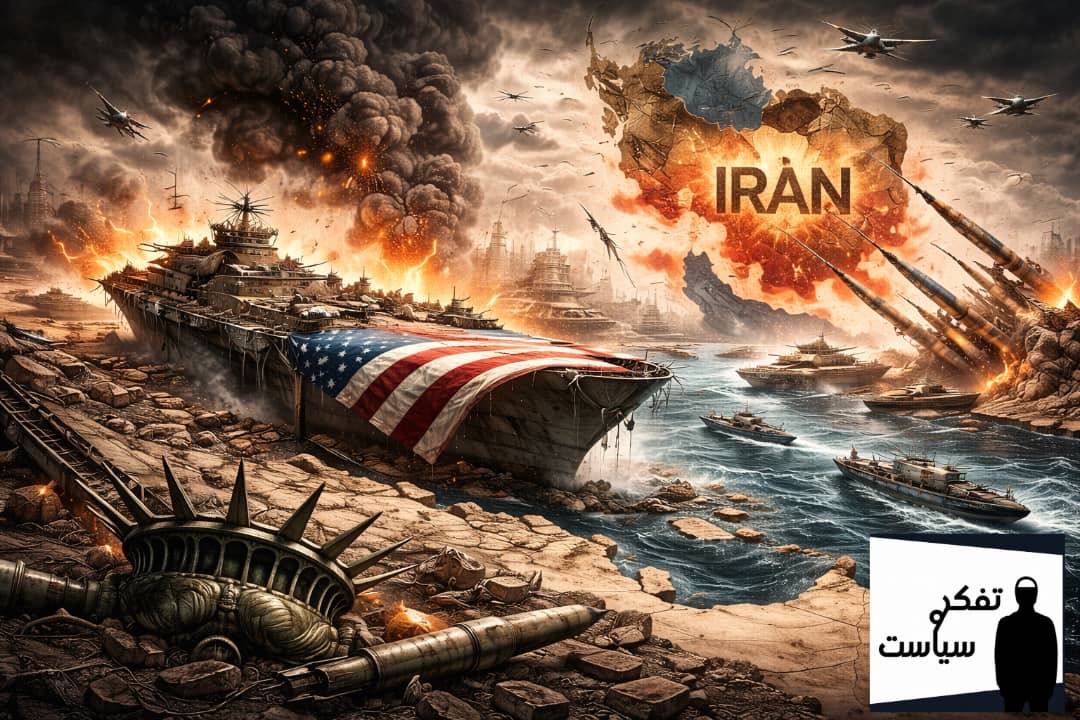
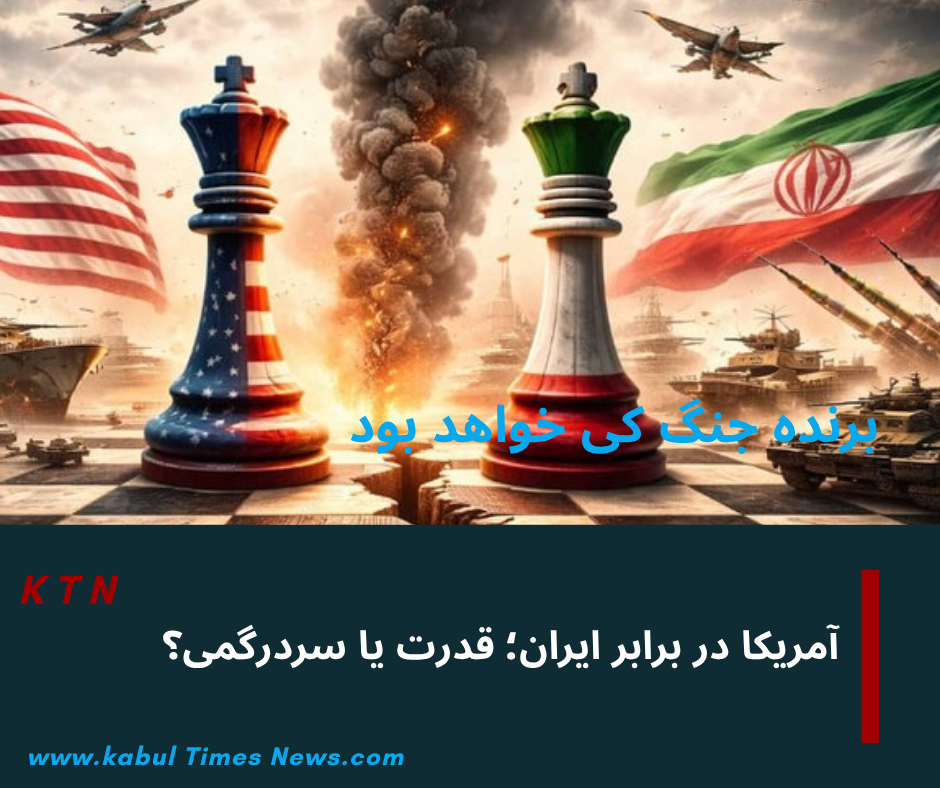
The joint US-Israeli attack on Iran began with specific and broad goals: to eliminate the regime’s leaders, nuclear facilities, and key military centers. During this operation, Iran’s Supreme Leader, Ayatollah Khamenei, was killed, dealing a severe blow to the country’s political and military leadership.
In immediate response, Iran targeted Israel and US military bases in Saudi Arabia, Iraq, Qatar, the UAE, Bahrain, etc., demonstrating that regional defense and deterrence capabilities are still active. These attacks are reminiscent of the previous 12-day war between Iran and Israel in the summer of 2025, in which many senior military commanders and experts in Iran’s nuclear programs were killed and important lessons were provided about the vulnerability of key Iranian institutions.
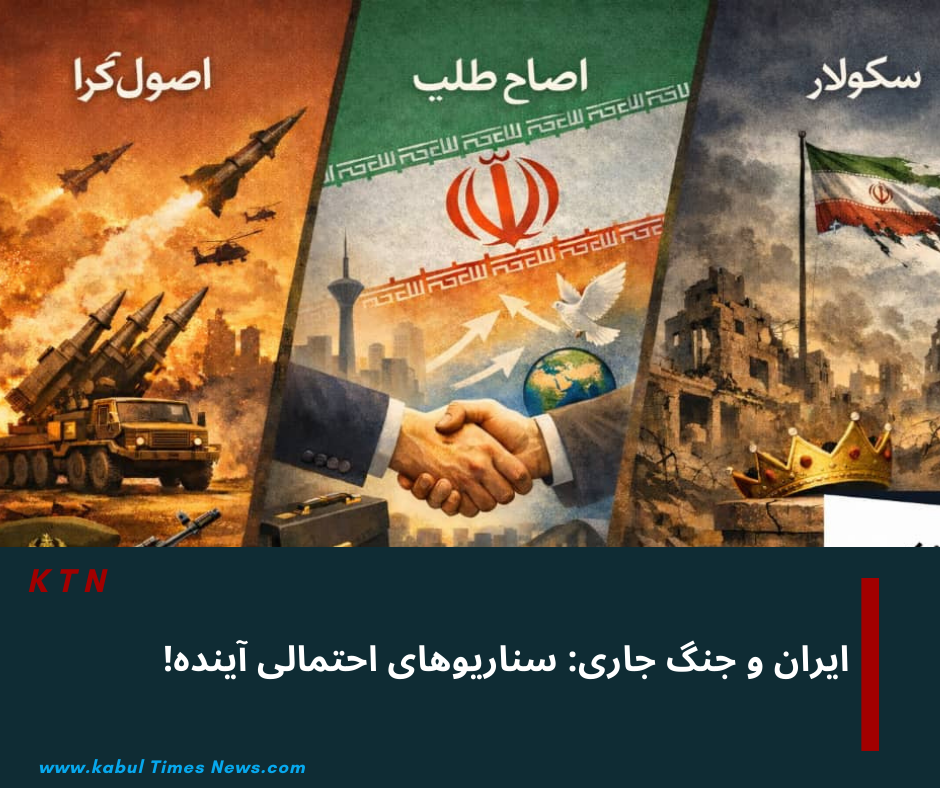
Possible scenarios for Iran’s future!
1. Continued militarism and sporadic wars:
In this scenario, fundamentalists and institutions inclined to hard power continue on their path. The use of force, limited military operations, and crisis management through hard power will remain the main tools for maintaining security and stability. The Revolutionary Guard Corps and conservative fundamentalists are prominent figures in this path, emphasizing the preservation of domestic authority and external deterrence.
2. The rise of reformist and moderate currents:
Figures that have a diplomatic approach and favor dialogue with the world and economic and political interaction will have more opportunities to influence. This scenario includes Masoud Pezzekian, Abbas Araghchi, and Javad Zarif, who believe in solving problems through political and negotiation paths and may play an effective role in domestic and foreign policies after this crisis.
3. Complete collapse of the government and external secular rule:
This scenario is unlikely and will only occur in conditions of complete collapse of the system. In such a scenario, external secular currents with figures such as Shahzad Reza Shah Pahlavi may enter the scene, but the probability of its occurrence is very low, because limited and controlled attacks do not bring about a complete collapse, on the other hand, they are not involved in the field and are mostly engaged in media propaganda.
Conclusion
The three main scenarios show that Iran's future path will be more centered around the militarism of the fundamentalists and the opportunism of the reformists, and that the secular external scenario is currently unlikely.
What will the Iranian scenario be?