Afghanistan’s Economy and Poor Governance: An Analysis of the Current Situation (2024–2026)
Kabul — Afghanistan continues to grapple with a severe economic crisis rooted in structural mismanagement, international isolation, and restrictive policies under Taliban rule. Reports from the World Bank and the United Nations in 2025 and 2026 highlight the persistence of inherited challenges alongside new governance failures.
Corruption and Transparency Indicators
According to Transparency International’s Corruption Perceptions Index (CPI) 2025, Afghanistan scored just 16 out of 100, placing it 169th out of 182 countries — a decline from the previous year. This ranking underscores ongoing issues with public sector transparency and accountability.
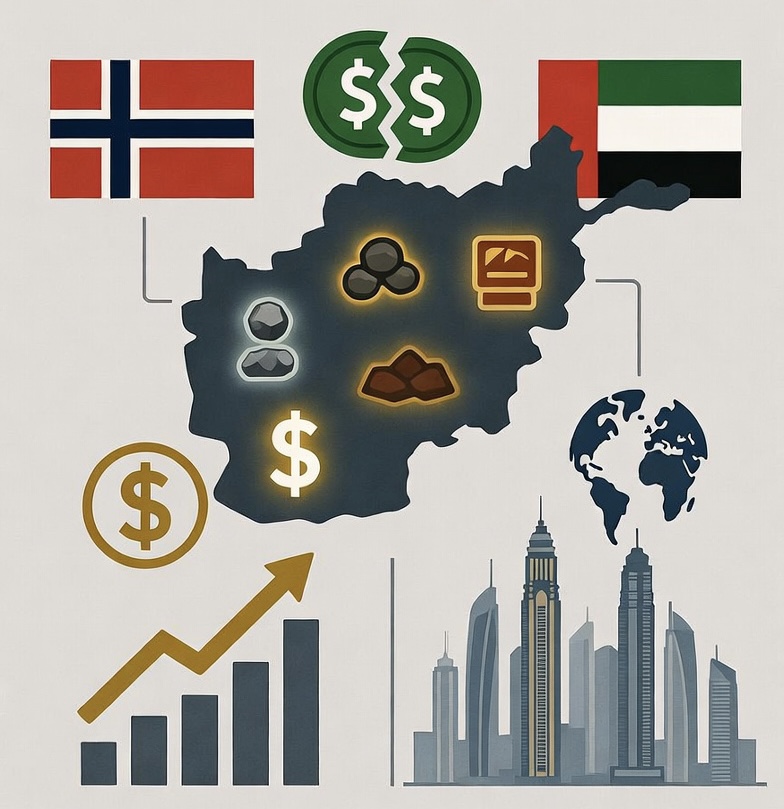
Structural corruption remains evident: lack of budget transparency, opacity in large mining contracts, and appointments based on group loyalty rather than merit continue to erode public trust and deter foreign investment.
Macro-Level Management and Economic Challenges
Mismanagement in Afghanistan extends far beyond petty bribery into core policy decisions:
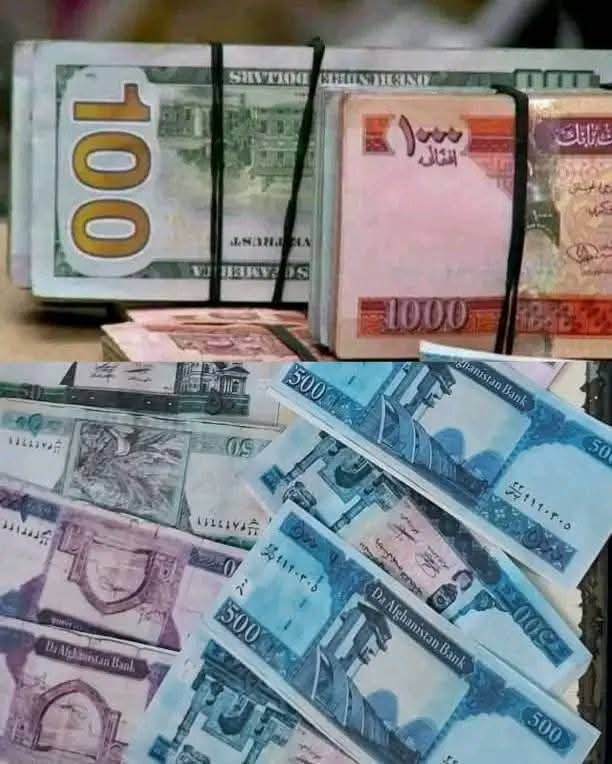
• Banking Sector Isolation: Inability to fully engage with the global financial system has severely hampered money transfers and trade for the private sector. The economy remains largely cash-based and informal.
• Exclusion of Women from the Workforce: The ban on women’s employment and higher education is not only a human rights crisis but also a major economic disaster. Estimates suggest this policy costs the economy up to 5% of GDP annually and wastes half of the country’s human capital.
• Unsustainable Resource Management: Heavy reliance on customs revenues and burdensome taxes on the impoverished population — without delivering quality public services — has intensified livelihood pressures.
Living Conditions in 2025–2026
The daily reality for ordinary Afghans remains dire:
• Widespread Poverty: More than half the population lives below the poverty line.
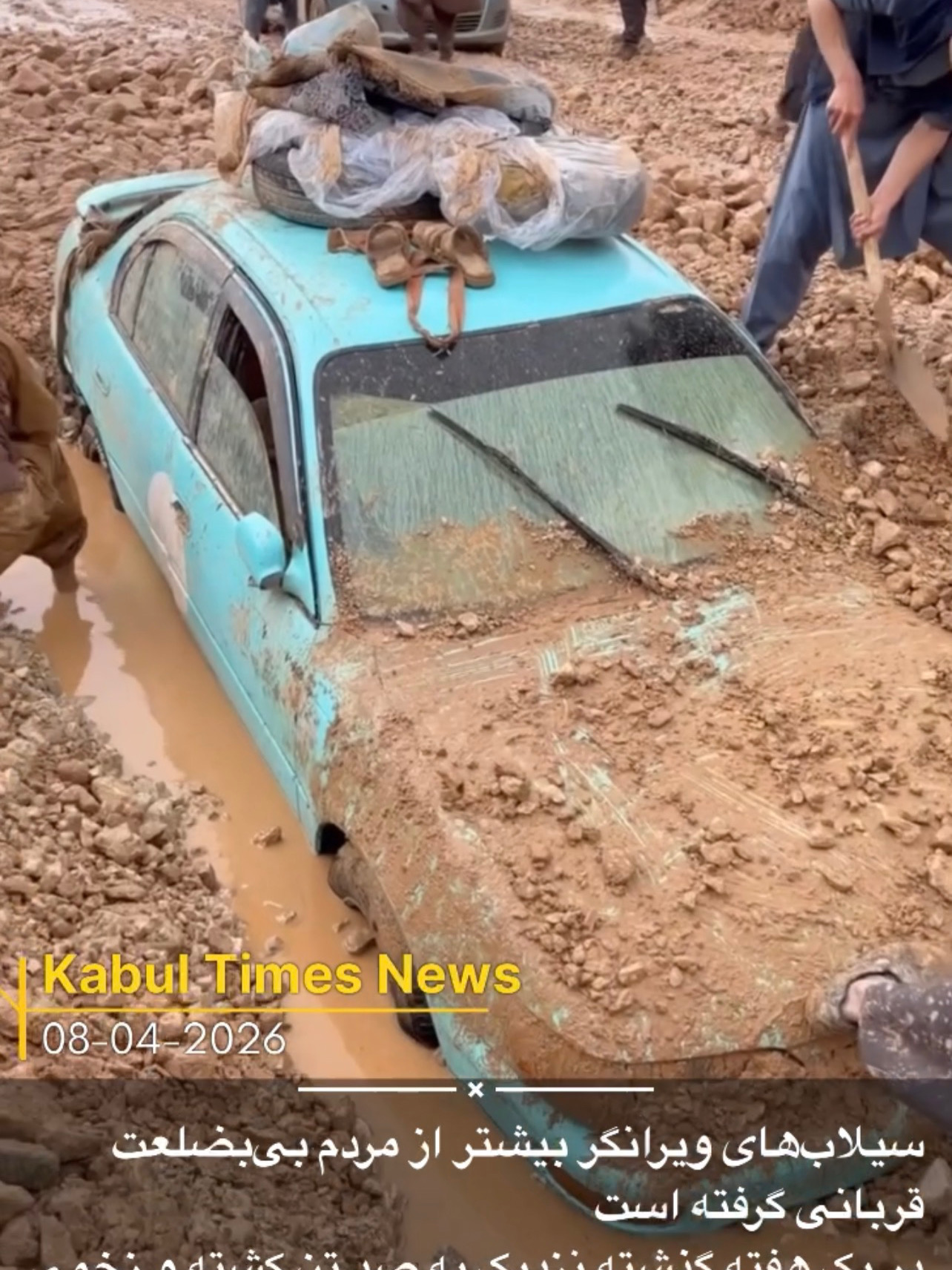
• Food Insecurity: Approximately 21–23 million people (nearly half the population) require urgent humanitarian assistance. During the 2025–2026 lean season, over one-third of Afghans faced crisis or emergency levels of acute food insecurity.
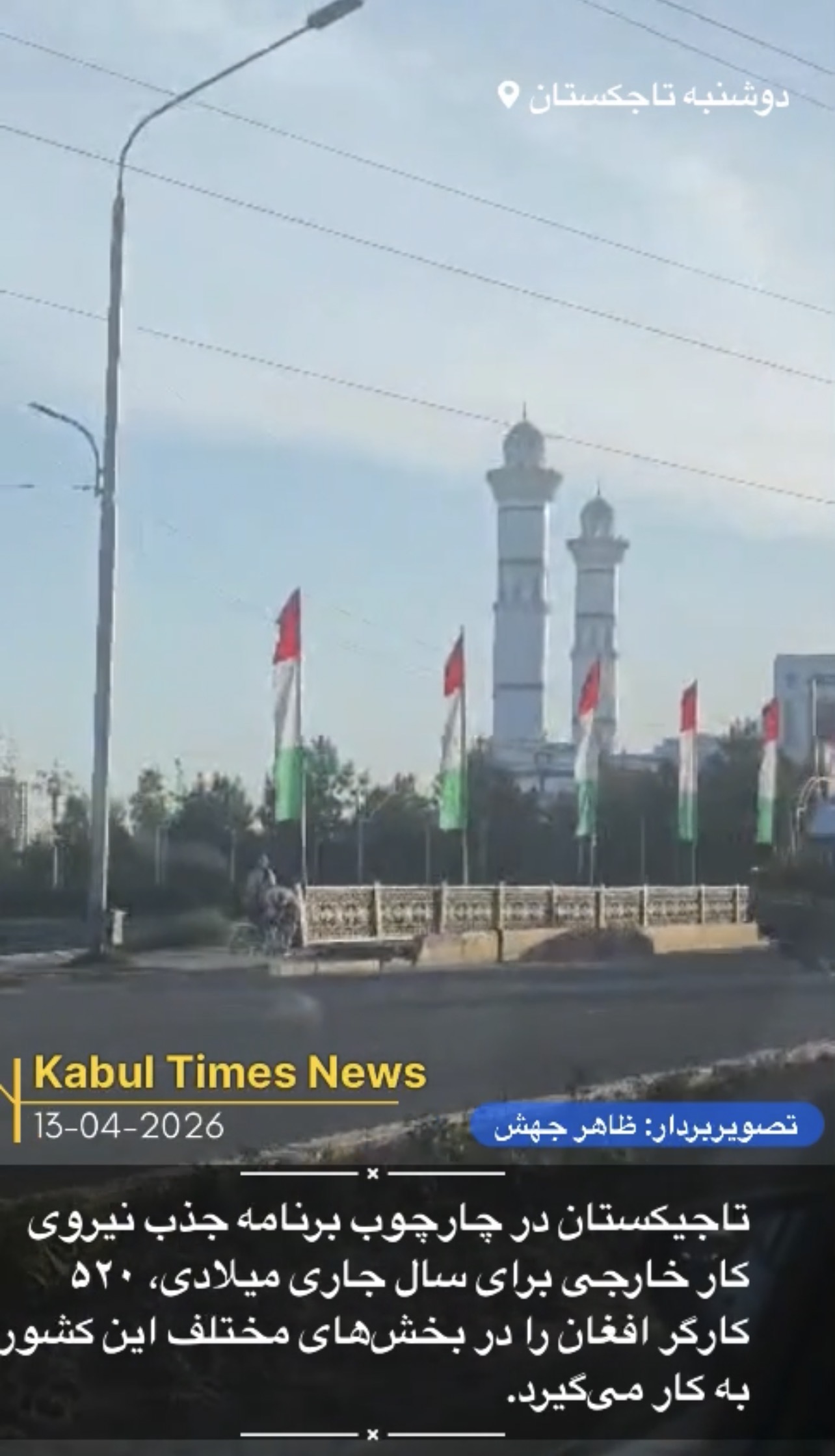
• Unemployment and Migration: High unemployment and underemployment rates, exacerbated by the return of millions of refugees from Iran and Pakistan, have strained the labor market and fueled further migration and brain drain.
Fragile and Insufficient Growth
The World Bank projects GDP growth of 2.5% for 2024 and 4.3% for 2025. This modest expansion is mainly driven by increased demand from returning migrants and resilience in the agriculture sector (including a record irrigated wheat harvest despite drought). However, experts emphasize that this growth is far too weak to meaningfully reduce poverty or generate sustainable jobs. GDP per capita is actually expected to decline due to rapid population growth.
Forecasts for 2026 remain similarly modest, with persistent structural constraints, declining external aid, and a widening trade deficit clouding the outlook.
Conclusion
Afghanistan’s economy has effectively become a “survival economy,” where the primary focus is on revenue collection to sustain the ruling structure rather than investing in infrastructure or public welfare. Until the authorities gain broader international legitimacy, introduce transparency in the mining sector, reintegrate women into the economic cycle, and adopt more inclusive policies, sustainable development and poverty reduction will remain distant goals.
This situation not only threatens the livelihoods of millions of Afghans but also heightens risks of greater instability and large-scale migration. Observers warn that without fundamental reforms in governance and social policies, the cycle of economic and humanitarian crisis in Afghanistan is likely to persist.
Afghanistan’s Economy and Poor Governance: An Analysis of the Current Situation (2024–2026)