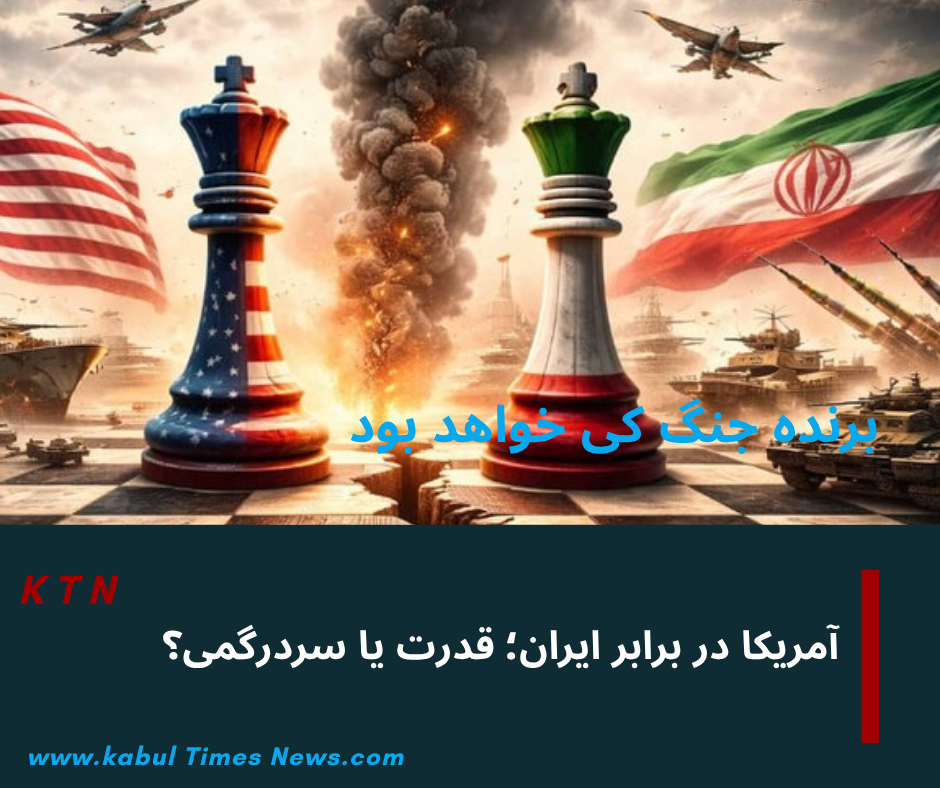
America vs. Iran; Power or Confusion?
Tehran/Washington – 7 April 2026
Recent developments in the US-Iran tensions — marked by shifting deadlines, proposed plans, and contradictory statements — reveal that the United States finds itself in a complex situation. This state appears less a sign of firm resolve and more an indication of difficulty in aligning objectives with on-the-ground realities.
Reality One: America’s Goal Is Not Merely Containment!
Contrary to common perception, the US objective goes far beyond simply limiting Iran. What emerges from the proposed schemes is an effort to fundamentally alter Iran’s position in the region. Specifically, Washington seeks to:
• Reduce Iran’s strategic capabilities
• Restrict its regional role
• Make its major decision-making predictable and controllable
In simple terms, the goal is to manage Iran’s behaviour within a framework desired by the United States.
Reality Two: Initial Calculations Failed!
The US believed that rapid and heavy pressure could quickly change the course of events. However, what actually occurred was different:
• Iran’s decision-making structure remained intact
• A military response materialised
• The conflict did not remain short-term
This development effectively eliminated the “quick end” scenario, pushing the situation into a more complicated phase.
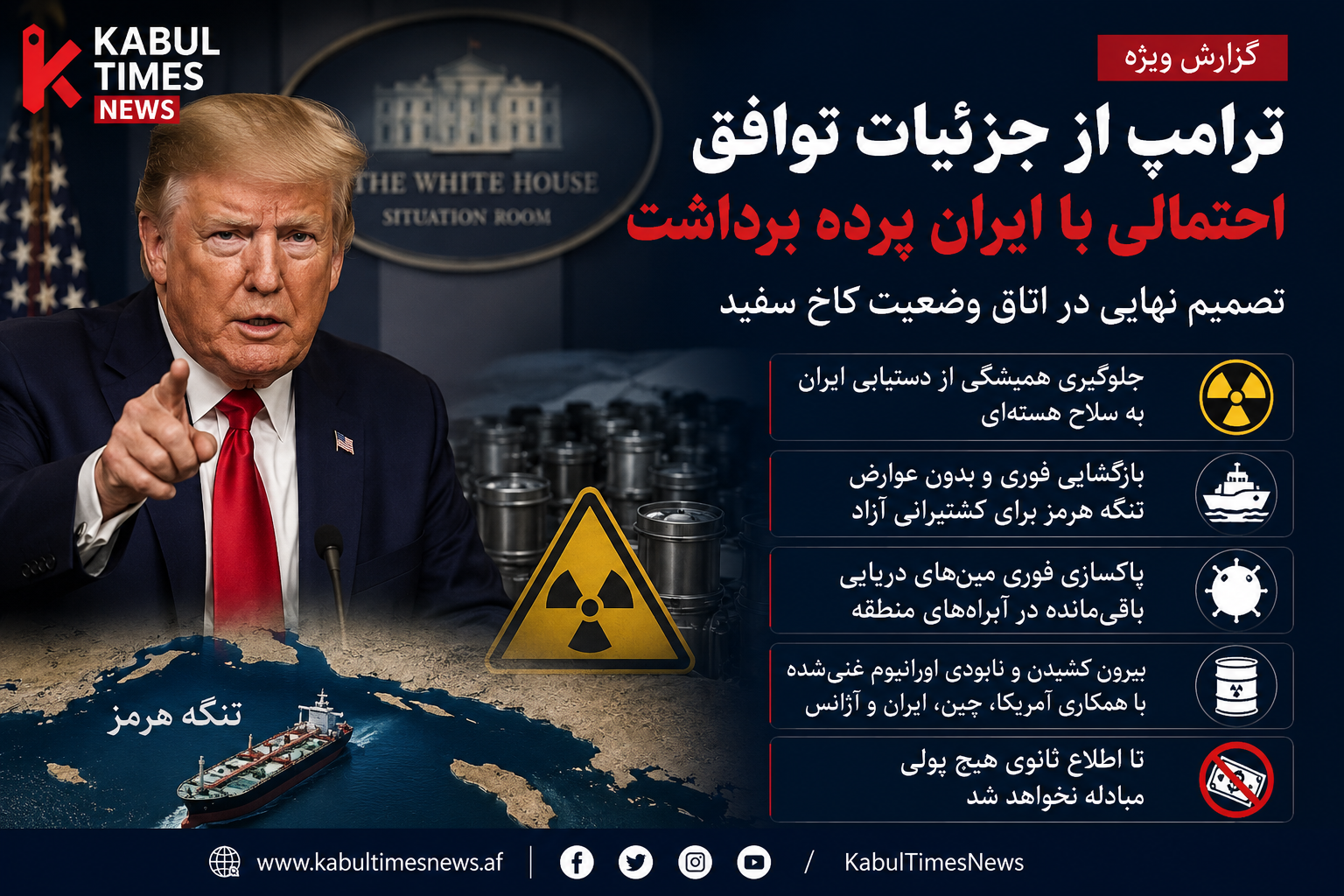
Why Do Trump’s Positions Keep Changing?
The repeated shifts in deadlines and contradictory statements are not accidental. This behaviour serves several purposes:
• Psychological pressure to force Iran into retreat
• Buying time to prepare subsequent options
• Projecting strength domestically and avoiding any image of failure
Overall, these fluctuations send a clear message: the final decision has not yet been made.
The Main Knot: A Wide Gap Between the Two Sides!
The core problem in resolving the crisis lies in the significant difference between the demands of both parties. The US is pursuing extensive and long-term restrictions, while Iran emphasises stopping the conflict and preserving its position. This gap has prevented negotiations from progressing easily, leaving the situation in a state of anticipation.
Beyond Iran: Expansion of Tension Across the Region!
Developments in southern Lebanon and discussions about establishing a buffer zone up to the Litani River demonstrate that the crisis is not limited to Iran. In reality, what is unfolding is part of a broader competition to reshape the balance of power in the Middle East. Consequently, any change in one area directly affects others.
What Is Happening Inside Iran?
Inside Iran, views are not uniform, but the differences can be understood simply: some believe in standing firm with strength to repel pressure, while others prefer reducing tensions to lower costs. This divergence of opinion is natural and can be observed in many countries during crises. Ultimately, the final decision emerges from balancing these perspectives.
Conclusion: Signs of an Unfinished Situation
What we see today is not a final outcome but a stage in a larger process.
• The US has not yet achieved its goals
• Iran remains under pressure
• The region stays in an unstable state
On a broader level, this crisis forms part of deeper shifts occurring in the global system, where powers are redefining their positions and regional actors are assuming more active roles.
In an era where competitions have grown more complex and equations more variable, the reality is that:
• No decision comes without cost
• No major crisis is resolved quickly
• No single actor is the sole final determinant
In such a space, what matters is not only power, but also intelligent crisis management and a correct understanding of developments.
Sources: Based on reports from Al Jazeera, Reuters, The Wall Street Journal, and other independent analyses up to 7 April 2026. The situation remains fluid and is changing rapidly.
America vs. Iran; Power or Confusion?