Resolving the Afghan Crisis: A Realistic and Multi-Layered Approach
The Afghan crisis is rooted in decades of war, regional rivalries, and deep ethno-socio-political divides. Its lasting solution is possible not through miracles or foreign military intervention, but through the indigenization of trust, fair distribution of power, and responsible regional diplomacy.
1. Intra-Afghan Dialogue and an Inclusive System
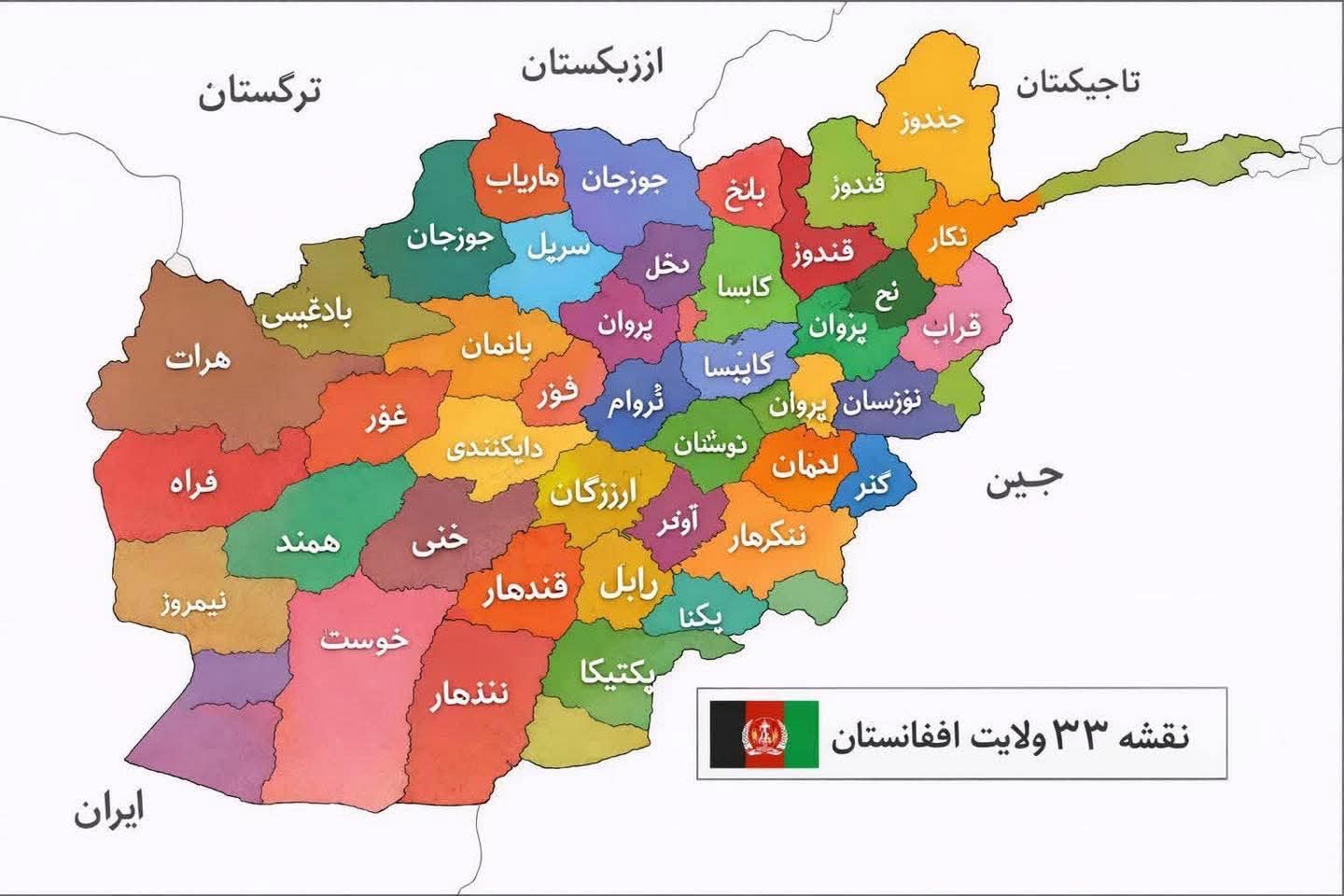
• The most crucial step is to embrace a non-military political culture and inclusive dialogue among all factions, ethnicities (Pashtun, Tajik, Hazara, Uzbek, and others) and civil society groups.
• Establish a legitimate government that ensures the fundamental rights of citizens, especially women and minorities, to establish domestic legitimacy and pave the way for international recognition.
• The Taliban have so far resisted international pressure for an inclusive government, but without genuine participation by ethnicities and civil society, lasting stability will remain elusive.
2. Decentralization and Power Distribution
• The intense concentration of power in Kabul has been a major factor in instability.
• Implementing decentralized models or regional autonomy can manage Afghanistan’s ethnic and cultural diversity and reduce direct power clashes.
3. Regional Diplomacy and Resolving Border Tensions
• Many problems stem from rivalries between neighbors (especially border tensions with Pakistan).
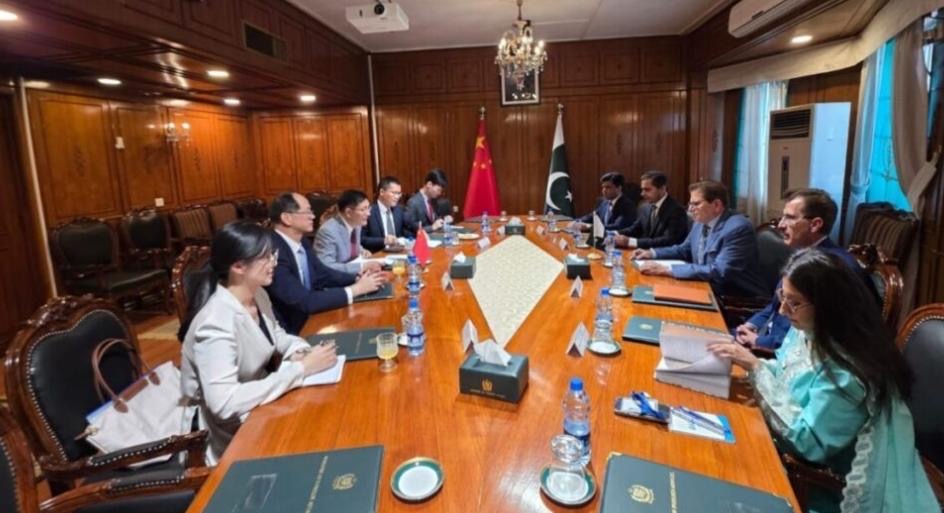
• The Doha and Istanbul summits and the mediation of China, Turkey and Qatar demonstrate the importance of diplomacy. Some progress has been made on a temporary ceasefire, but a comprehensive agreement is needed to secure the border and prevent the use of Afghan territory against neighbors.
• Transforming Afghanistan into a regional economic crossroads (rather than a proxy battlefield) can create shared benefits and make neighbors interested in stability.
4. Addressing Humanitarian and Infrastructure Crises
• Political peace cannot last without an economic and environmental foundation.
• Water crisis: Kabul is facing a severe decline in groundwater levels and could become the first modern capital without water by 2030. Urgent implementation of projects such as the Panjshir water pipeline (approximately $130-170 million) and the Shahtoot Dam is essential.
• Food security and employment: More than 17 million people face acute food insecurity in 2025-2026. Attracting foreign investment for infrastructure, supporting small businesses (which make up the bulk of the private economy), and managing the return of millions of refugees is crucial.
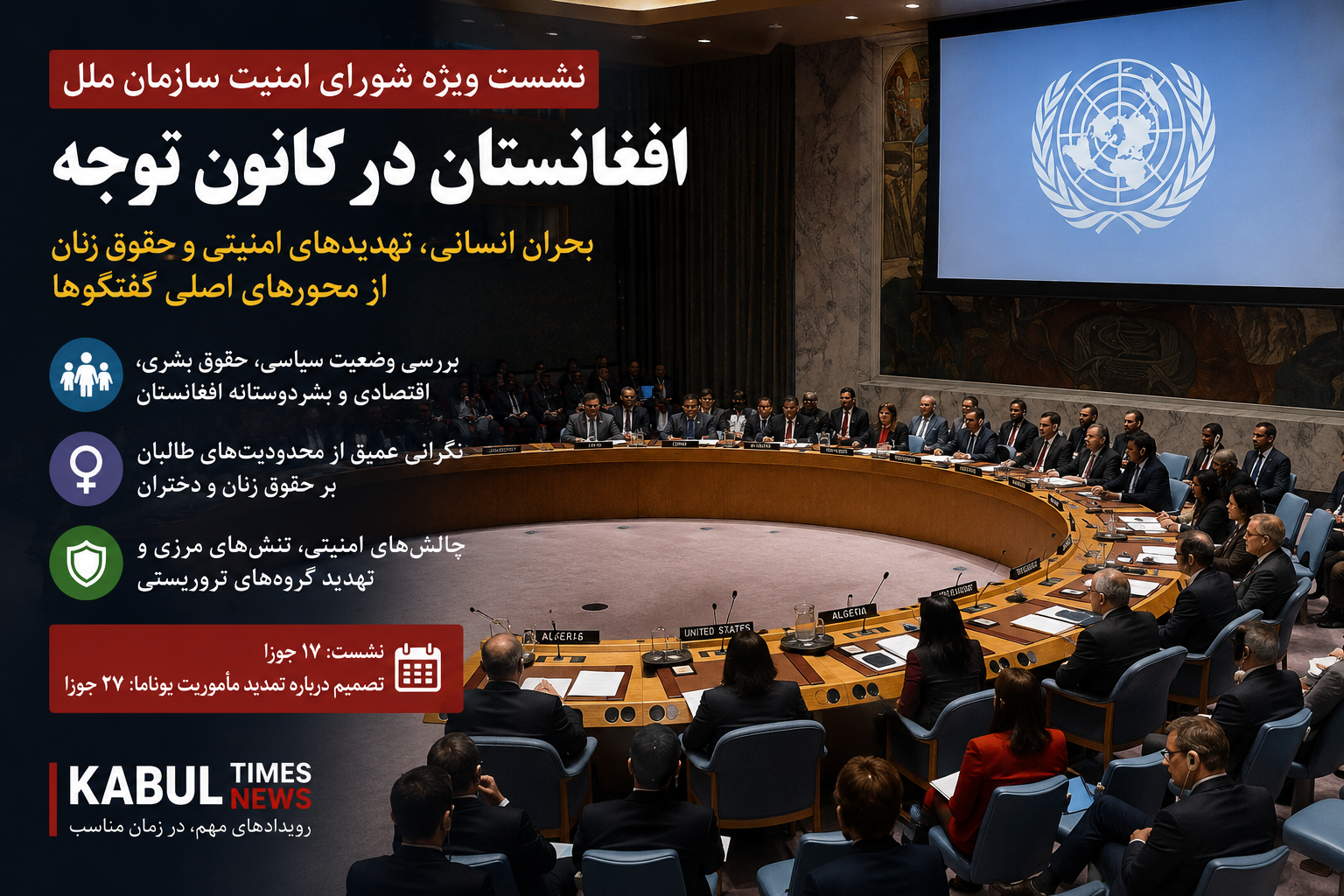
• UN humanitarian assistance (UNAMA) remains necessary to prevent social collapse, although its budget has been reduced and challenges remain, such as restrictions on women’s activities.
Conclusion
Solving the Afghan problem requires prioritizing national interests over group and ethnic interests. Without genuine domestic dialogue, inclusive reforms, and responsible regional cooperation, the humanitarian, economic, and security crisis will continue. The international community can play a facilitating role by conditioning aid on progress in human rights and inclusive governance, but the real key lies with the Afghans themselves.
Resolving the Afghan Crisis: A Realistic and Multi-Layered Approach