The Iran War: A Turning Point in the Erosion of American Power
Introduction
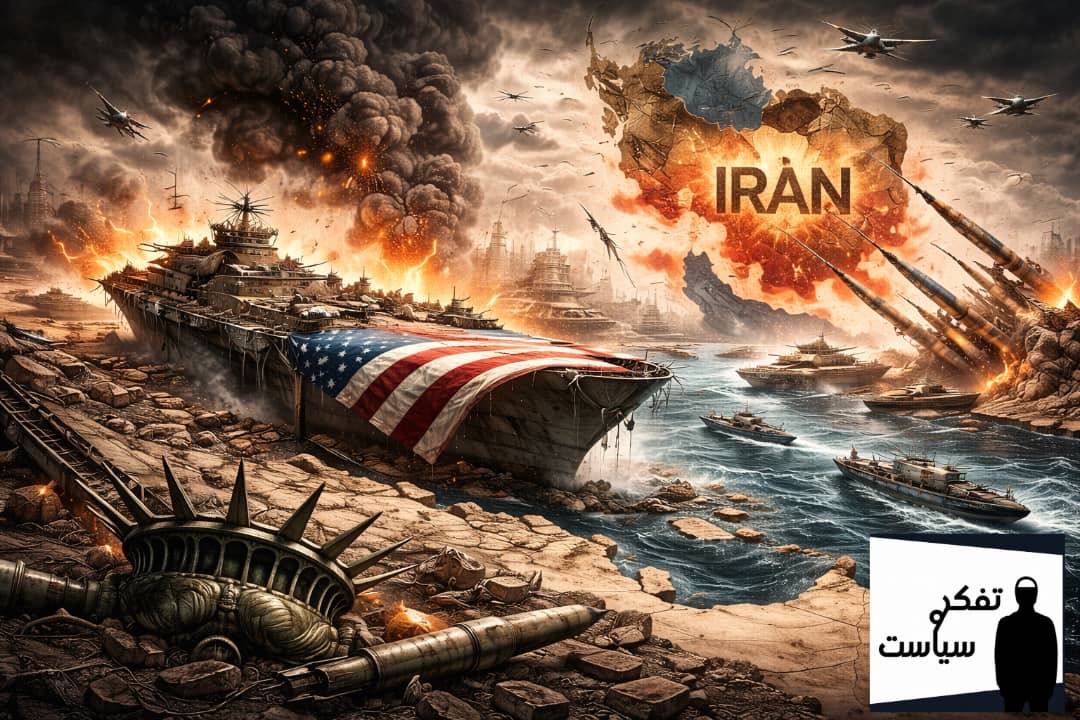
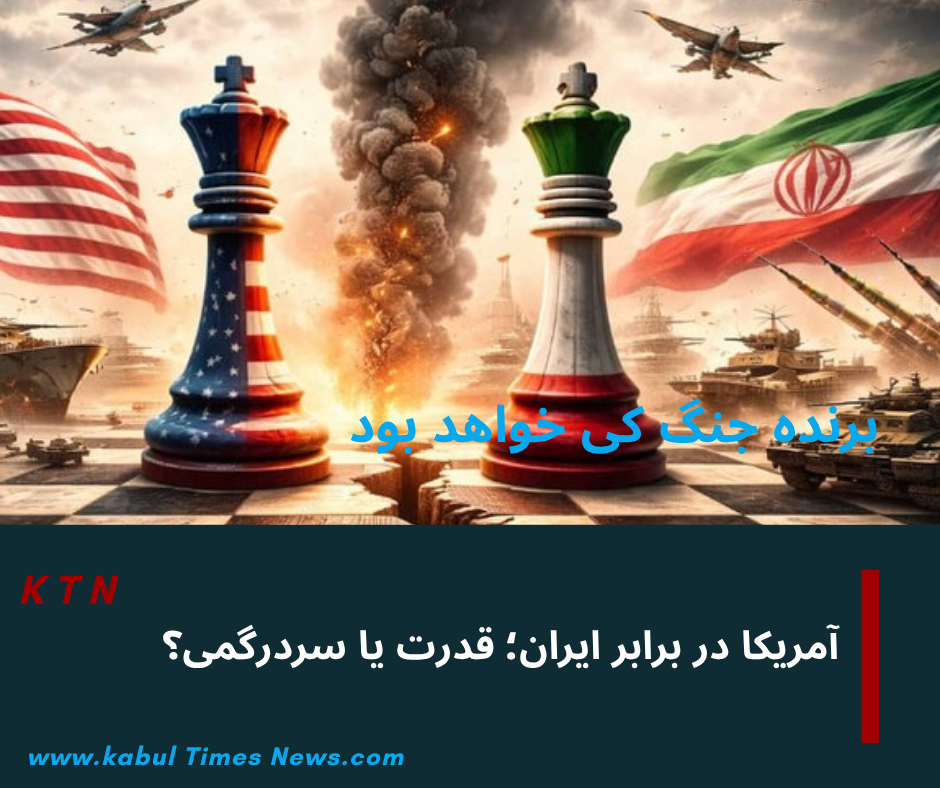
The recent war with Iran was more than a limited regional conflict. It served as a real test of America’s global power capacity. Contrary to expectations, it not only did not consolidate Washington’s position, but also revealed clear signs of the multidimensional erosion of its power.
According to the analysis of the editorials of the New York Times, this weakening can be seen in several key areas.
1. Leveraging Geography; Changing the Rules of the Economic Game
Iran was able to turn its strategic position in the Strait of Hormuz — the vital artery of the world’s energy transport — into an effective tool for exerting pressure. This event showed that:
• The United States was not fully prepared for scenarios of widespread disruption in this bottleneck.
• The global energy market is extremely vulnerable.
• A regional power can use “geography” as global leverage.
As a result, Iran was promoted from an actor under pressure to an actor with cross-border influence.
2. The gap between military power and practical effectiveness
The widespread use of advanced weapons such as Tomahawk missiles and the significant reduction in strategic reserves highlighted a harsh reality:
• US military superiority does not necessarily mean high effectiveness in real wars.
• Wars of attrition exhaust even great powers.
• Actors with lower costs can change the equations in their favor.
This situation revealed the growing gap between “military potential” and “practical results on the ground.”
3. Divergence in alliances; weakening of Western cohesion
The hesitation or refusal of traditional US allies — such as Japan, South Korea, Australia and parts of Europe — to provide full support was a sign of a profound change in the structure of alliances. This development shows that:
• Trust in Washington’s strategic decisions has decreased.
• The costs of aligning with the United States have increased.
• The trend of independence in the allies’ foreign policies has strengthened.
This gap is not just a tactical issue; it is the beginning of a redefinition of the Western coalition order.
4. The crisis of legitimacy; the decline of soft power
The harsh statements and aggressive approaches during the war, especially by Donald Trump, severely weakened America's moral standing and global credibility. The consequences include the following:
• A decline in America's credibility as a leader of the international order.
• Increased global criticism.
• Serious damage to Washington's soft power and value influence.
As a result, America suffered not only in the hardware field, but also in the area of legitimacy.
Conclusion
A war that revealed the true picture of power!
This war should be considered a turning point in understanding the true state of American power. The challenges facing Washington are no longer purely military; they include a combination of economic pressures, coalition gaps, and a crisis of legitimacy.
The United States is now facing rising costs, declining efficiency, and a weakening international position, while other players have taken a more active role in global affairs, wisely seizing opportunities. If this trend continues, the global balance of power will gradually shift. Signs of this transformation are already visible in the world’s political, economic, and security structures—a world in which the traditional image of unilateral American supremacy is giving way to more complex and multifaceted realities.
The Iran War: A Turning Point in the Erosion of American Power