US-Iran talks in Islamabad end without agreement; The fragile ceasefire continues
Islamabad — 23 April 2026
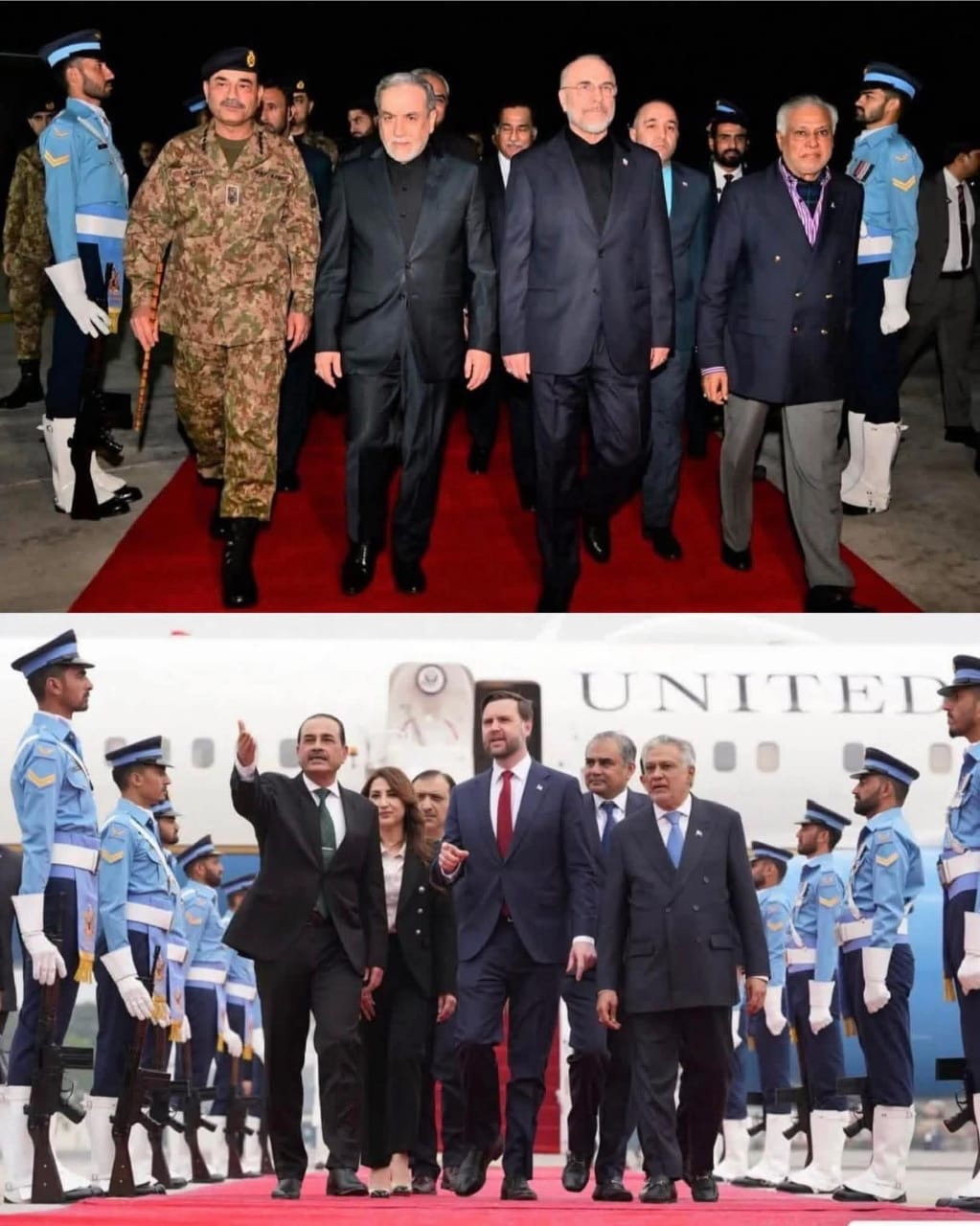
The direct, high-level talks between the United States and Iran in the Pakistani capital ended after more than 20 hours of intense talks without reaching a final agreement. This was the first face-to-face meeting between the two countries in decades, mediated by Pakistan.
"We made our best and final offer, but Iran did not accept our terms," Vice President JD Vance, who led the US delegation, said after the talks. He added that the complete halt of Iran's nuclear program was one of the main goals that had not been achieved. Iranian sources, meanwhile, have spoken of US "excessiveness" and described the talks as "intense but without definite progress."
The talks were held at the Serena Hotel in Islamabad — under tight security — and the US delegation included Vance, Steve Witkoff (Trump's special envoy) and Jared Kushner. The Iranian delegation was also attended by Mohammad Baqir Qalibaf (Speaker of Parliament) and Abbas Iraqchi (Minister of Foreign Affairs).
Conflict and ceasefire
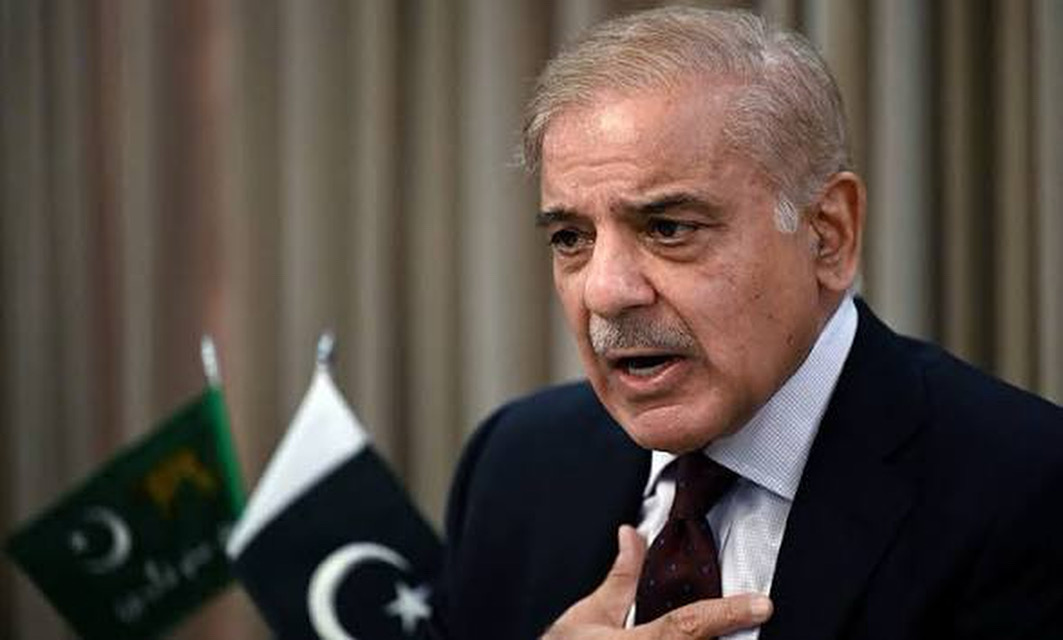
The talks follow the 2026 widespread war between Iran, the United States and Israel, which has left thousands of people dead, severe disruption in the Strait of Hormuz and severe volatility in the global energy market. After weeks of fighting, the two sides reached a two-week temporary ceasefire (from April 8) with Pakistan's proposal to pave the way for talks. Pakistan has presented itself as an impartial mediator with the active role of Prime Minister Shehbaz Sharif and General Asim Munir.
Key differences
The parties on issues such as:
• The status of Iran's nuclear program
• Complete freedom of navigation in the Strait of Hormuz
• Lasting ceasefire in Lebanon
• Lifting sanctions and releasing blocked assets
They have deep differences. Iran considers control of the Strait of Hormuz non-negotiable, while the United States insists on limiting nuclear activities and reducing Tehran's regional influence.
Reactions
Pakistan called the talks a "positive step towards regional stability" and said efforts to continue diplomacy would continue. However, analysts warn that historical distrust, field developments (such as remaining military movements) and internal pressures in both countries have kept the possibility of a return to tension high.
At the time of publication, the temporary ceasefire remains in place, but its fragility is evident. Global energy markets are watching the developments with concern.
U.S.-Iran Negotiations in Pakistan: Opportunity for Peace or Fragile Ceasefire?