Introduction: Nuclear Power, but Lack of Strategic Independence:
Pakistan is a country with nuclear weapons, a powerful army, and a sensitive geopolitical position; but despite these capabilities, it has not been able to create sustainable political stability since its establishment. Even today, the power structure in this country is practically in the hands of the military, and the civilian government plays a secondary role. The fundamental question is: why has Pakistan always remained in the cycle of crisis and dependence?
The real structure of power; the government in the shadow of the military:
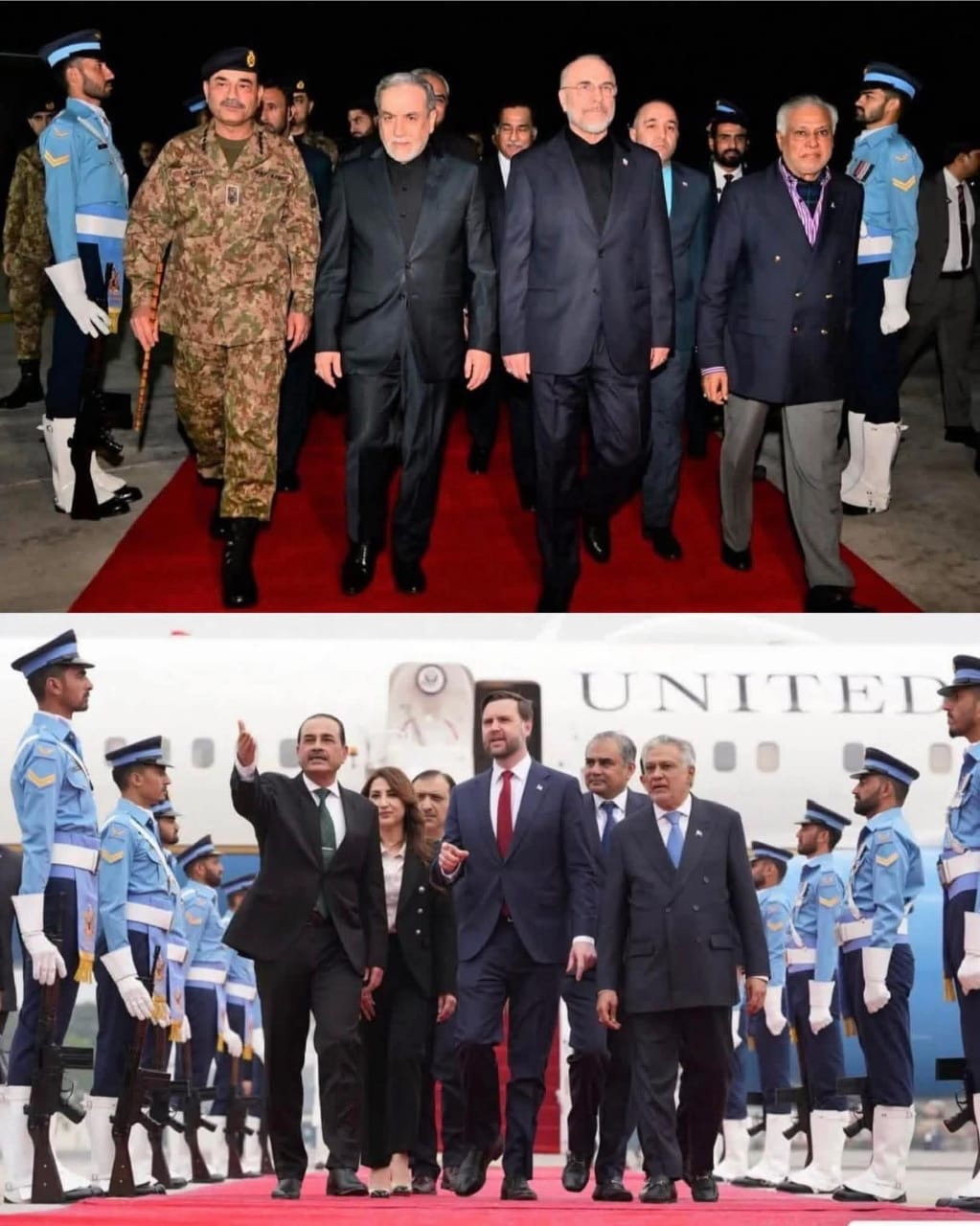
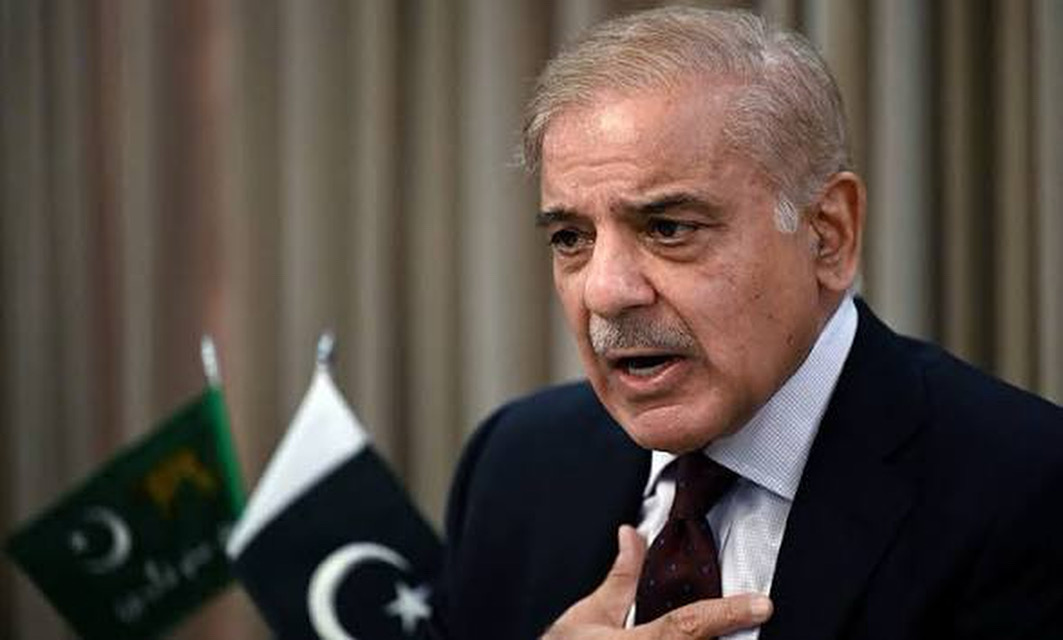
Although the structure of a parliamentary republic is in place on the surface, the reality on the ground shows that major political, security, and foreign decisions are in the hands of the military.
Historical experience has also proven this: whenever a politician has tried to act independently, he has either been sidelined or restrained by judicial and security pressures.
In the current situation, the ruling structure is more of a military-managed system than an independent democracy. This concentration of power has prevented the formation of stable political institutions.
Internal crises; Signs of an unstable structure:
Political crisis:
Party competition, political dismissals and trials have created a permanent climate of distrust. The transfer of power is not based on institutional stability, but on the balance between military and political actors.
Economic crisis:
Pakistan is facing a heavy external debt, dependence on the International Monetary Fund, chronic inflation and a depreciation of the rupee. The country's economy is struggling to survive without foreign aid and emergency loans.
This economic dependence also limits political independence.
Security crisis:
Security challenges in Balochistan, the tribal areas and border tensions are signs that the internal structure is not yet fully integrated.
The new great game; America, India and China:
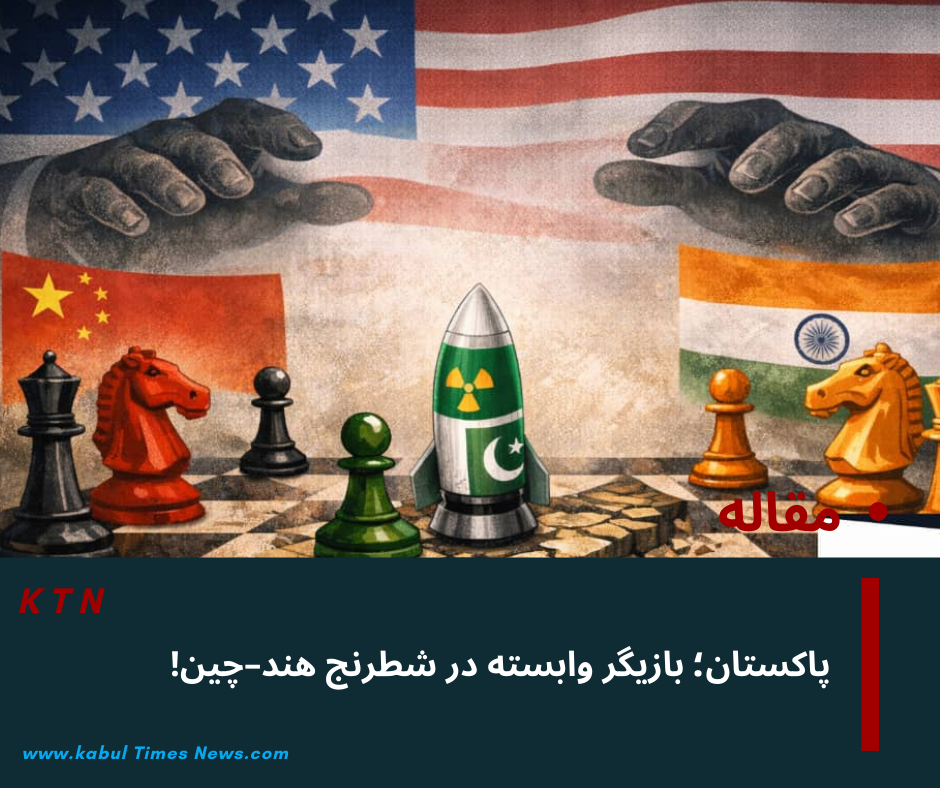
Developments in recent years show that the main global competition is now between America and China. Washington has focused on strengthening India as a regional power to contain China.
In this context, one of India’s main concerns has been the Kashmir issue and the traditional threat from Pakistan. Reducing this concern paves the way for India to focus on competing with China.
In such an environment, it is suggested that Pakistan, under pressure or guidance from the US, moves towards reducing Kashmir tensions with India so that India can play a role more comfortably in the anti-China equation.
At the same time, fueling border tensions with Afghanistan could be part of a crisis-shifting policy; that is, transferring pressure from the eastern front (India) to the western front. If such an approach becomes a reality, it would indicate that Pakistan’s foreign policy is more subject to the equations of great powers than independent.
Chronic dependency; from Washington to Beijing:
In the past decades, Pakistan was a strategic ally of the US in the Afghan war and received billions of dollars in aid. After the US role decreased, the focus shifted to China and the China-Pakistan Economic Corridor (CPEC) project.
However, dependence from one power to another does not create strategic independence. Heavy debts and a constant need for external financial support have kept Pakistan in a vulnerable position.
Why is sustainable stability not taking shape?
Several key factors have hindered stability:
Concentration of power in the military structure
A dependent and fragile economy
Lack of national consensus among different ethnic groups
A reactive foreign policy rather than an independent one
Pakistan is more in a state of “crisis management” than “crisis resolution”. The country has managed to prevent collapse, but has not been able to create a sustainable order.
Regional implications:
Any change in Pakistan’s policy directly affects the region. The transfer of tension from Kashmir to the western borders could create a new atmosphere of instability.
Regional stability is possible when countries act on the basis of mutual respect and non-interference, and separate their policies from great power rivalries.
Conclusion:
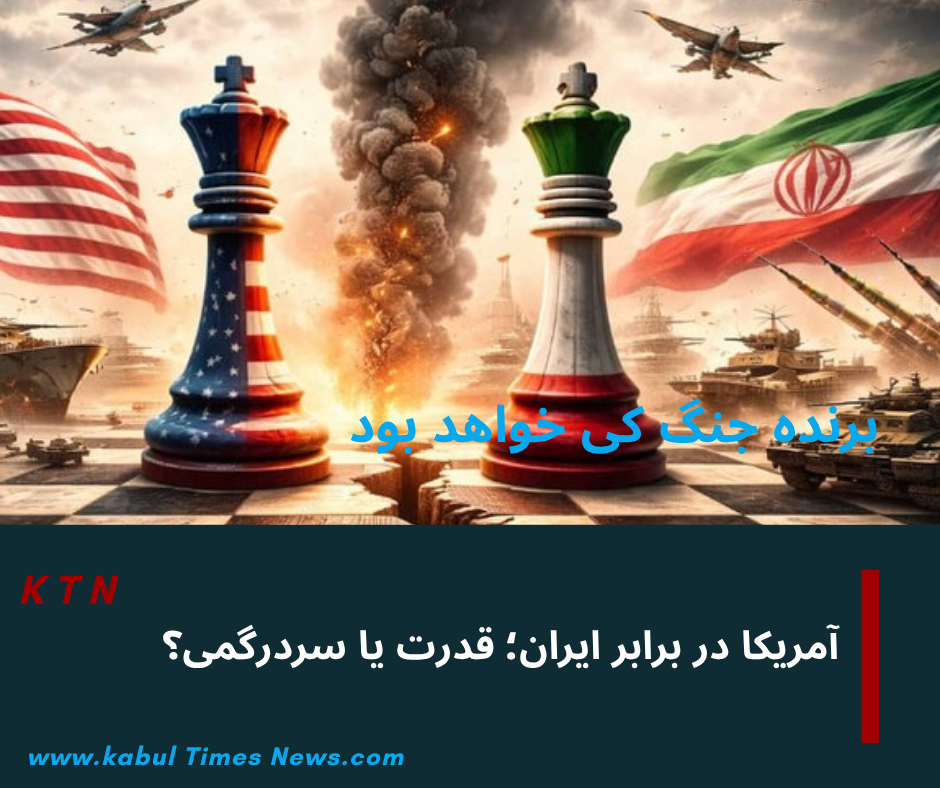
Pakistan is a country with great potential, but with limited independence. The dominant military structure, dependent economy, and its position in the US-China competition have made the country an important but non-independent player in regional equations. If Pakistan fails to establish an independent foreign policy and a stable domestic balance, it will continue to move in the chessboard of great powers; not based on its own strategic interests, but within the framework of others’ games.
Pakistan; a dependent player in India-China chess!