Since the Islamic Revolution in Iran in February 1979 (Dey 1357 in the Iranian calendar), large-scale annual demonstrations have been held across Iran with slogans such as “Death to America” and “Death to Israel.” In contrast, almost no similar protests with slogans like “Death to Iran” have been observed from native citizens in the United States or Israel. These deep ideological and political tensions have persisted for nearly half a century and have been intensified by vengeful statements from American and Israeli officials.
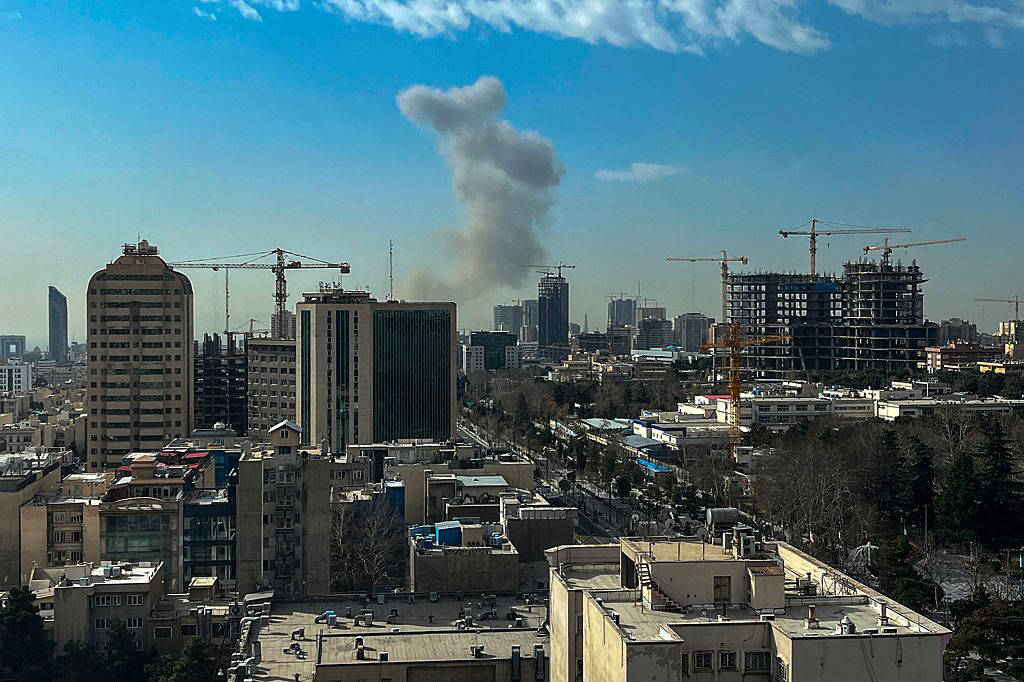
The direct war by the United States and Israel against the Islamic Republic of Iran began in late February 2026 (Hout 1404) with widespread aerial strikes. The main instigator of the conflict was the preemptive joint operation by the US and Israel targeting Iranian military, nuclear, and missile facilities. Iran described these attacks as a clear violation of international law and responded with missile and drone operations.
Consequences of the War So Far (More Than One Month After the Start):
• Iran: Has suffered heavy human losses (thousands killed, including civilians), widespread destruction of military, oil, petrochemical, and public infrastructure. The country’s economy has been severely damaged, and pressure on ordinary people has increased significantly.
• Israel: Has faced Iranian missile and drone attacks, resulting in considerable financial and military damage, though human casualties have been relatively lower.
• United States: Has incurred heavy military and financial costs and is facing public protests in the US, Europe, and Islamic countries.
• The Region: Some countries in the southern Persian Gulf have been drawn into the conflict unwillingly due to the presence of American military bases and have suffered financial damage from Iranian rocket attacks.
The people of Iran have borne the greatest suffering. Afghanistan, as a neighboring country, will also face risks such as waves of refugees, disruption in trade, and negative economic impacts.
Future Outlook:
The consequences of this war remain unpredictable. The most likely scenario is that the war will end through a temporary political agreement after heavy losses. In such a case, Iran would limit its nuclear activities and support for proxy groups, sanctions would be partially eased, and discussions about closing the Strait of Hormuz would end. However, a prolonged war of attrition remains possible due to US and Israeli air superiority against Iran’s missile and drone capabilities and proxy forces. There is also a risk of attacks on vital infrastructure (electricity, water, bridges, oil facilities, and nuclear sites) and the spread of conflict across the Middle East.
Iran is unlikely to suffer a complete military defeat, and the United States has shown no interest in ground occupation. This war will probably conclude without a total victory for either side, ending in an incomplete agreement.
Conclusion:
This devastating war has inflicted the greatest damage on innocent Iranian civilians, with widespread negative effects on Afghanistan and the entire region. We hope that internal, international, and economic pressures will lead to a ceasefire and negotiations as soon as possible to prevent further losses.
(Based on the analysis by Mohammad Naeem Ghayur, dated 18 Hamal 1405 / 7 April 2026)
The causes, factors and consequences of the US-Israeli war with Iran and its impact on Afghanistan