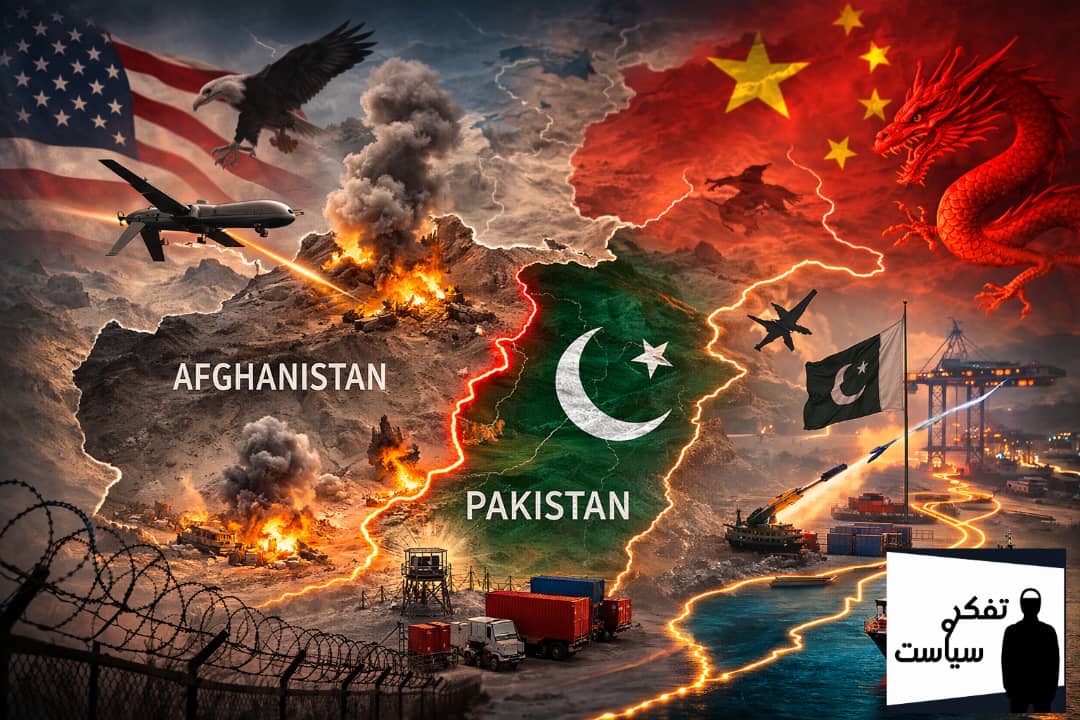
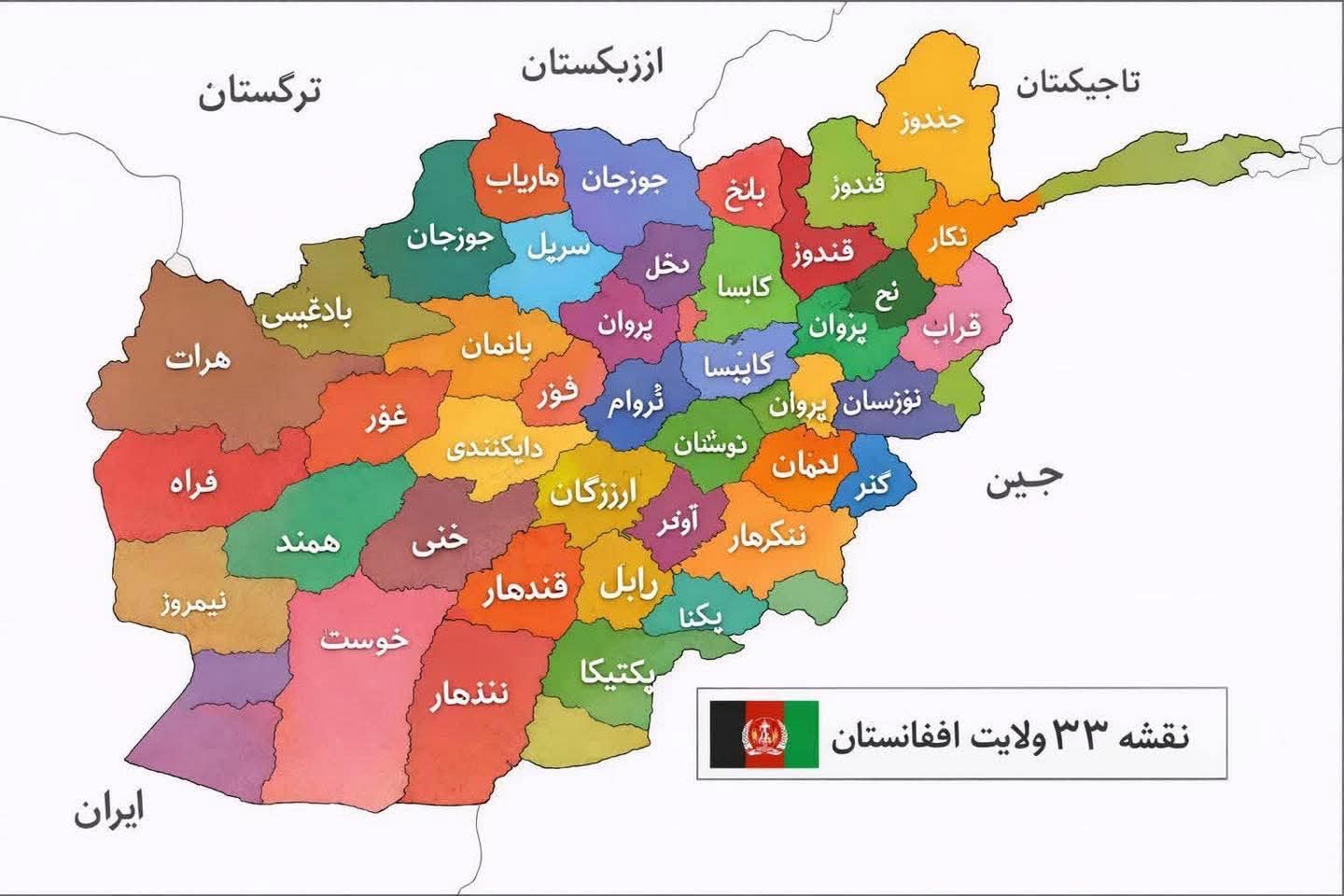
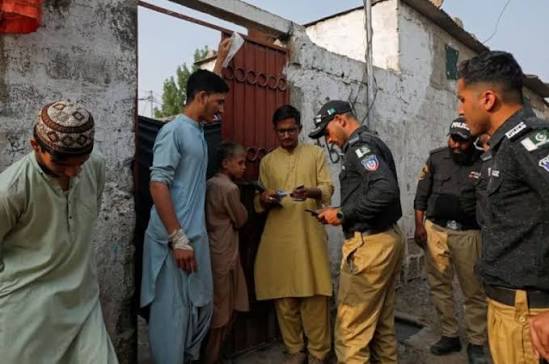
In recent months, tensions along the Afghanistan-Pakistan borders have once again intensified. Pakistani military airstrikes in some border areas of Afghanistan, scattered clashes along the Durand Line, and the closure of key border crossings such as Torkham have pushed bilateral relations into a new phase of tension.
A notable point is that many of these attacks have taken place in areas primarily inhabited by civilians, with reports indicating the killing and injuring of ordinary people, including women and children. This has led to these events no longer being viewed merely as simple security measures, raising more questions about their objectives and underlying context.
In such circumstances, the question arises: Are these tensions merely a border dispute, or are they part of more complex domestic and regional equations?
Pakistan: A country with internal crises and growing dissatisfaction
Pakistan has faced a series of internal problems in recent years. Security crises, economic difficulties, intense competition among political parties, and the decisive role of the military in politics have made Pakistan’s domestic environment complex and fragile.
Alongside these issues, social discontent has increased in some regions. In Balochistan, Pashtun-inhabited areas, and other regions, many people feel that the central government has not paid sufficient attention to their political and economic demands.
In some cases, instead of addressing these demands, security crackdowns and repression have occurred. Such a situation has widened the gap between the government and segments of society. In this context, some analysts believe that creating external border tensions can sometimes be used as a tool to reduce internal pressures.
Dependent economy: A country facing problems without foreign aid
Pakistan’s economy suffers from serious structural issues. Heavy debts, high inflation, and weakness in domestic production have made the country dependent on foreign aid to maintain economic stability.
In recent years, Pakistan has repeatedly turned to the International Monetary Fund and assistance from foreign countries to avoid financial crisis. Many economic experts believe that without such support, the country’s economy would face serious difficulties.
This economic dependence has, in some cases, aligned Pakistan’s foreign policy with the projects and programs of major powers.
Pakistan’s expectations from Afghanistan; A calculation that backfired
During the final years of the republic in Afghanistan, relations between Kabul and Islamabad were always tense. At that time, many Pakistani politicians assumed that a change of government in Afghanistan would bring the country more into line with Pakistan’s interests.
However, after the Islamic Emirate came to power, this expectation was not fulfilled. Afghanistan continued its normal relations with some countries, including India.
This issue made certain political circles in Pakistan more sensitive to Kabul’s policies, pushing bilateral relations into a new stage of mistrust.
TTP: A security threat or part of political posturing?
Pakistan cites countering the Tehrik-i-Taliban Pakistan (TTP) as one of the main reasons for its border operations. Islamabad claims that members of this group operate from Afghan soil.
Nevertheless, many observers believe that the image of this threat is sometimes presented as larger than its reality. Since the group also has presence and bases inside Pakistan, and many of its activities are organized there.
For this reason, some analysts argue that the TTP issue, alongside its security aspect, is sometimes used as a tool to justify military actions and create a security atmosphere.
Great power competition; The Great Game in South Asia
Regional tensions cannot be analyzed separately from great power rivalries in the world. In recent years, the United States has identified China as its most important strategic rival.
Within this framework, South Asia and Central Asia have gained greater importance. This region is highly significant both geopolitically and in terms of natural resources, including rare minerals and energy sources.
With the U.S. withdrawal from Afghanistan, America’s direct presence in the region has decreased. In such circumstances, highlighting security and terrorism threats could provide grounds for the return of political and security influence in the region.
Meanwhile, India plays an important role in the U.S. strategy to contain China. India prefers not to become embroiled in major tensions with Pakistan in order to play this role. Some analysts believe that focusing certain tensions toward the Afghan border can also be understood in this context.
U.S. weapons left in Afghanistan
After the withdrawal of American forces from Afghanistan, a large amount of U.S. military equipment remained in the country. According to some estimates, the value of this equipment exceeds $7 billion.
Some analysts believe that one of the hidden motives behind some regional conflicts may be related to this issue. In conflict situations, part of this equipment is consumed on the battlefield or destroyed in airstrikes.
From this angle, political or security support for some of Pakistan’s actions can also be analyzed within such considerations.
Possible future scenarios!
Given the current regional situation, several scenarios can be imagined for the future of Afghanistan-Pakistan tensions.
1. Continuation of limited and intermittent clashes:
It is possible that tensions continue in the form of scattered and intermittent clashes. These clashes may not turn into a full-scale war but could remain a permanent factor of instability along the borders of the two countries.
2. Using regional insecurity in competition against China:
At a broader level, making certain areas insecure could also be used in the framework of geopolitical competition against China—especially since China has expanded its economic and infrastructural influence in the region in recent years.
3. Transferring Pakistan’s internal pressures to external borders:
Given the political and economic crises inside Pakistan, one possible scenario is that part of these pressures is shifted toward border tensions. Such a situation could divert public attention from domestic problems.
Conclusion!
The border developments between Afghanistan and Pakistan are not merely a simple border dispute. These tensions lie at the intersection of several important factors: Pakistan’s internal crises, regional and global power rivalries, and geopolitical changes in Asia.
In such an atmosphere, Pakistan sometimes imagines that the United States remains its main backer in the region. But in practice, America usually considers India a more important partner when comparing India and Pakistan; while when comparing Afghanistan and Pakistan, Washington prefers closer engagement with Pakistan.
For this reason, the future of these tensions does not depend solely on relations between Kabul and Islamabad, but is also tied to broader regional developments and great power competition.
Why have tensions between Afghanistan and Pakistan flared up again?