War 2026: A Heavy Blow to America's Military Power and Global Credibility
The War 2026 in the Middle East has become more than a military conflict; it has become a turning point in the transformation of the global order; where heavy costs, security vulnerabilities, and declining trust among allies have seriously challenged America's strategic position.
A Hit to America's Military Infrastructure
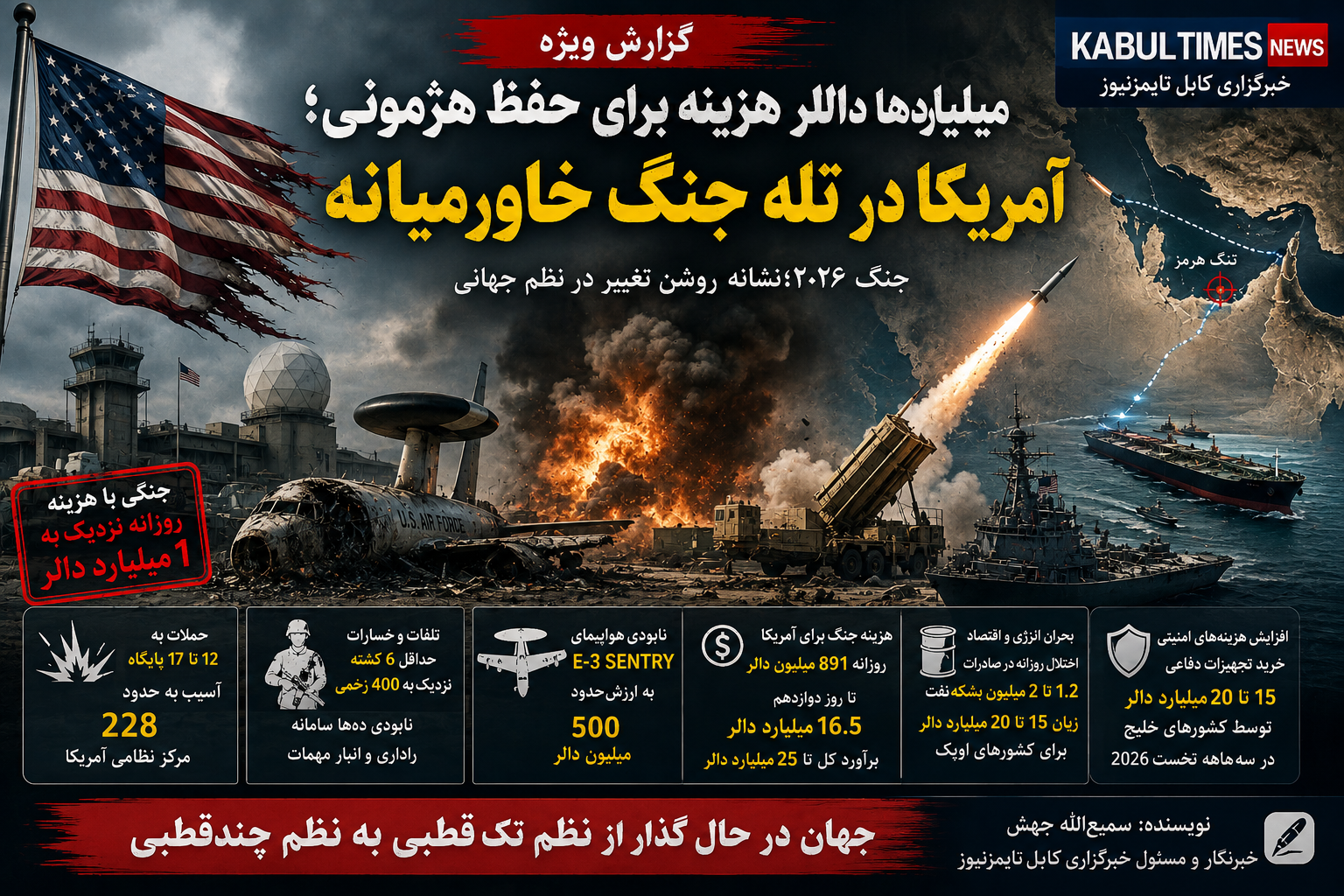
Following the counterattacks, between 12 and 17 US military bases and installations in the Persian Gulf and the eastern Mediterranean have been targeted. Estimates indicate that around 228 military facilities have been damaged or destroyed.
Al-Udeid Air Base—one of the most important US operational centers—has also been damaged, and disruptions to its radar and logistics systems indicate an increase in the US defense structure in the region.
Heavy losses in a short time
The war showed that low-cost tools such as missiles and drones can cause damage worth billions of dollars:
* 6 deaths and about 400 injuries among American forces
* Destruction of dozens of radar systems and ammunition depots
* Loss of an E-3 Sentry aircraft worth about $500 million
Direct losses are estimated at between $2.3 and $2.8 billion, and total costs, including indirect consequences, are estimated at up to $5 billion.
A war costing nearly $1 billion a day
Operation Epic Fury has become one of the most expensive US military missions:
* Daily cost: about $891 million
* First 6 days: $11.3 billion
* Through day 12: $16.5 billion
Some estimates put the total cost at as much as $25 billion—a figure that is much higher than the average of the wars in Iraq and Afghanistan.
Energy crisis and regional economic pressure
Disruptions in the Strait of Hormuz have reduced oil exports by 1.2 to 2 million barrels a day, costing OPEC countries up to $20 billion.
Simultaneously:
* Oil tanker insurance costs have multiplied
* The cost of passing through the Strait of Hormuz has increased by $2 million
* Regional financial markets have faced a drop in investment
Costly security and declining trust
In response to these developments, Gulf countries have spent up to $20 billion on defense equipment in the first quarter of 2026 alone. This trend indicates growing skepticism about the US's ability to provide security in the region.
Signs of a transition to a multipolar order
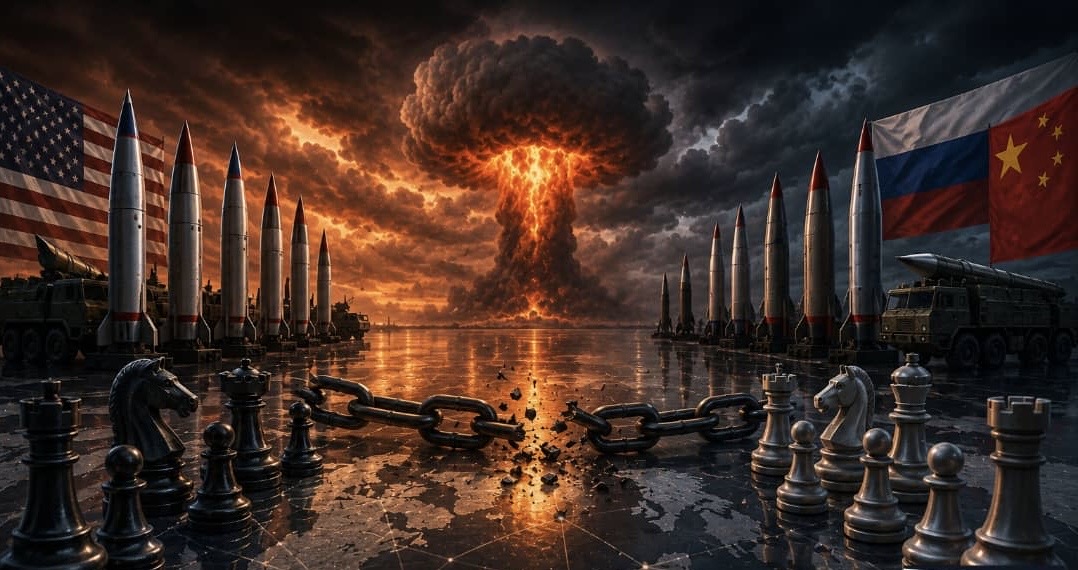
The 2026 war is a clear sign of the erosion of the unipolar order. Increasing costs, the vulnerability of bases, and changing behavior of allies all indicate the gradual movement of the world towards a multipolar order; where power is distributed among different players and the role of powers such as China and Russia will become more prominent.
Conclusion
This war has not only transformed the security equations of the Middle East, but can also be seen as a sign of a changing balance of power at the global level; a development that could redefine the future of the international system.
Samiullah Jahesh
Reporter and Head of Kabul Times News Agency
War 2026: A Heavy Blow to America's Military Power and Global Credibility