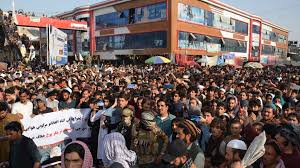
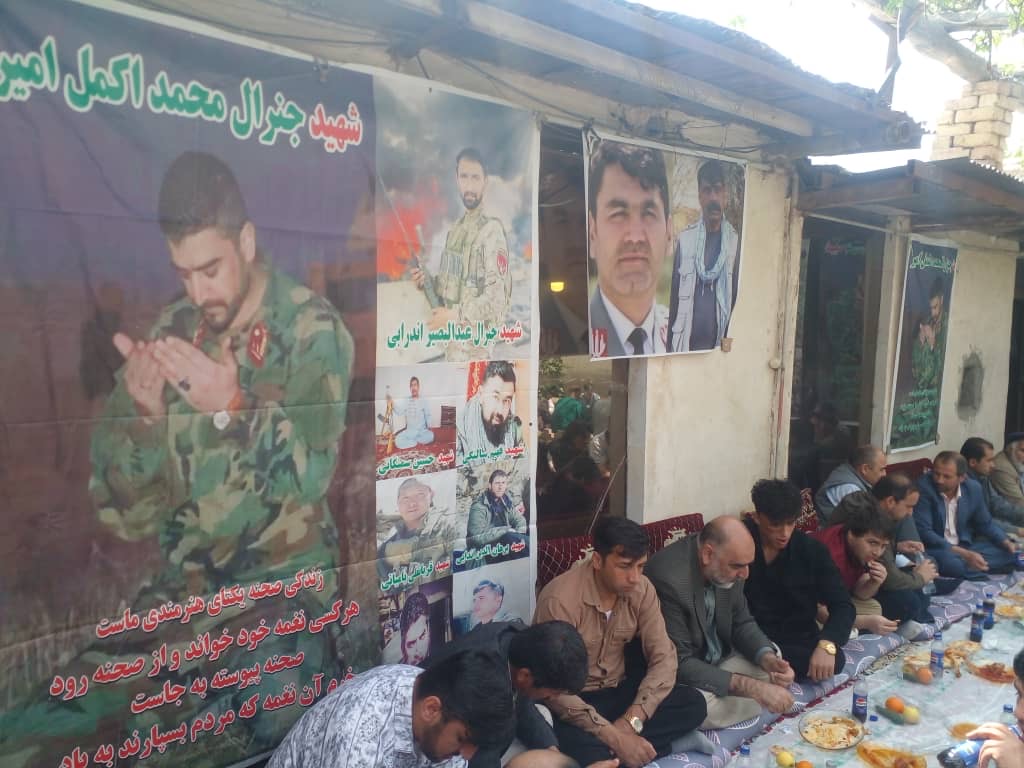
The phenomenon of nationhood in Afghanistan can be analyzed in the context of chronic insecurity, frequent attacks on civilians in border areas, and structural weaknesses in the governance system. In recent years, reports of attacks attributed to Pakistan in the border areas of Afghanistan have been published, leading to civilian casualties and displacement. At the same time, the lack of an accountable and responsible system at home has deepened the sense of helplessness of citizens. This article examines the security, legal, and political dimensions of this situation with an analytical approach.
Historical and Security Context
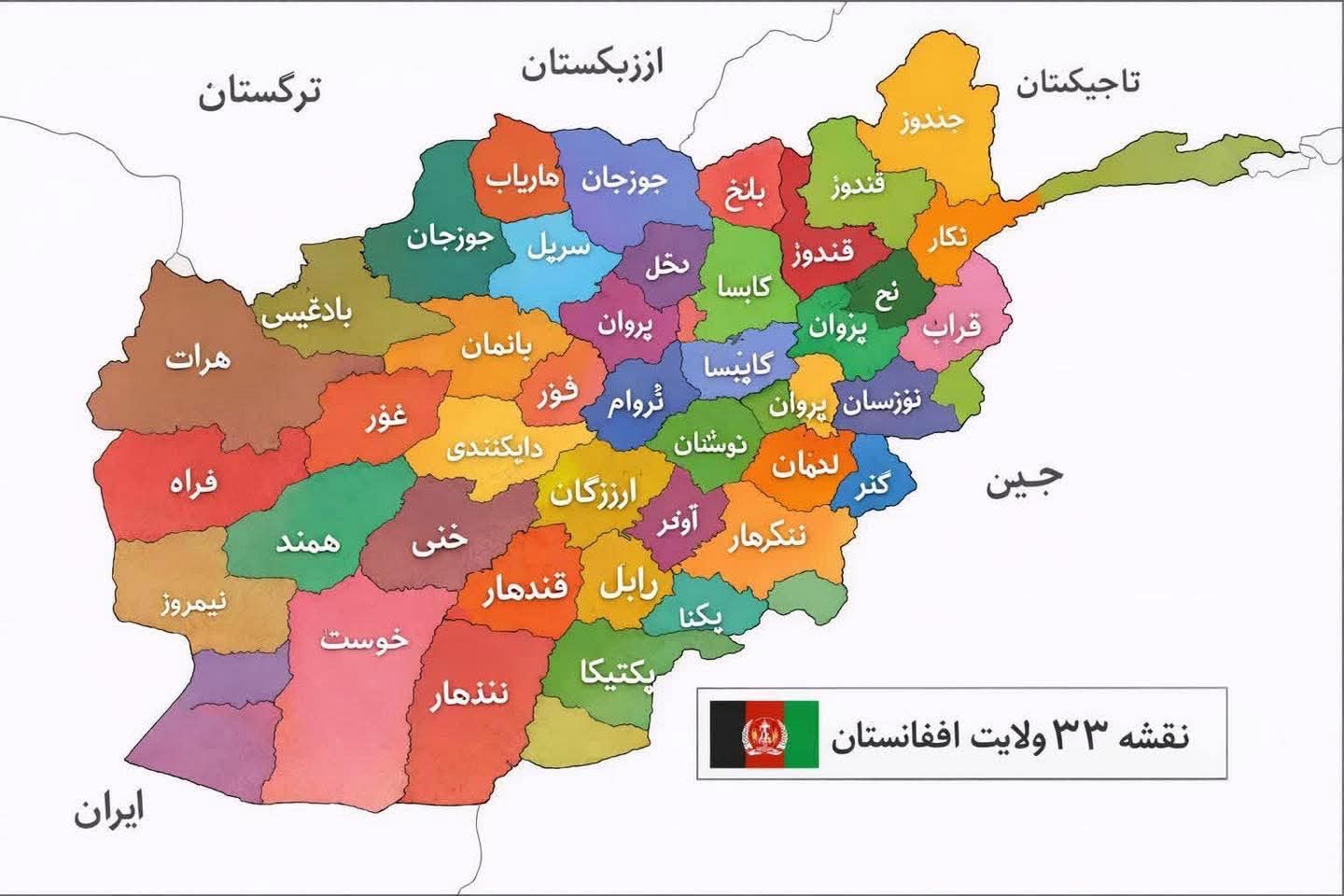
The tense relations between Afghanistan and Pakistan are rooted in border disputes, geopolitical rivalries, and the presence of armed groups in neighboring areas. The so-called Durand Line has always been one of the axes of disagreement. In some cases, cross-border military operations have been carried out under the pretext of confronting security threats; but the practical consequences have been harming civilians, destroying homes, and increasing internal displacement.
Based on the principles of international humanitarian law, in particular the principle of distinction between military and civilian targets, any attack that results in direct harm to civilians requires independent, transparent and accountable investigation. The lack of impartial investigation mechanisms has led to an increase in public distrust.
Governance crisis and weak accountability
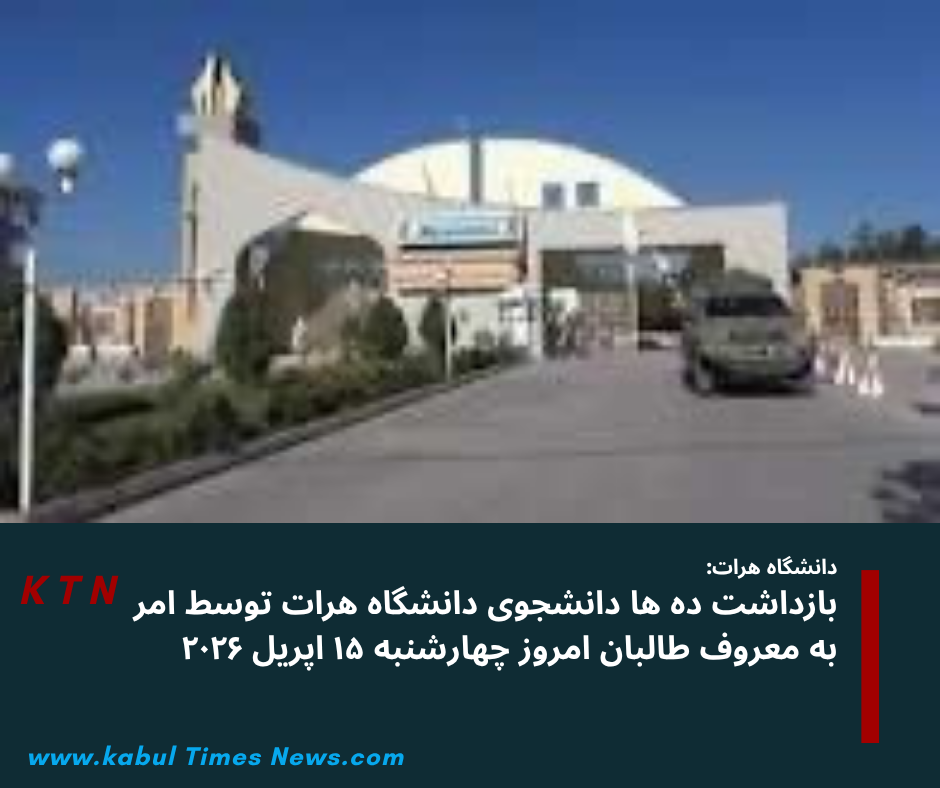
After political developments and the Taliban’s return to power in 2021, the Afghan governance structure has faced the challenge of international legitimacy, concentration of power and limited political participation. In such an environment, public accountability mechanisms, including an elected parliament, free media and independent oversight institutions, have either been weakened or do not function effectively.
This institutional vacuum has resulted in:
Effective diplomatic follow-up to cross-border attacks being limited;
Victims’ voices not being institutionally reflected at the national and international levels;
Economic and management priorities, including natural resource management, not being accompanied by sufficient transparency.
The political economy of resources and a sense of public deprivation
Afghanistan is a country rich in mineral resources; But in the absence of a clear framework of contracts, public oversight, and fair distribution of revenues, mining can become a source of conflict and distrust. If citizens feel that natural resource interests are being used to serve narrow political interests rather than investing in education, health, and infrastructure, social capital is weakened and the concept of nationhood is eroded from within.
Social Consequences: From Mistrust to Destiny
The combination of border insecurity and weak domestic accountability has three major consequences:
Increasing migration and internal displacement
Reducing public trust in governing institutions
Widening the gap between state and society
In such circumstances, citizens feel neither protected against external threats nor heard at home. This is what can be called a nation’s destiny: a situation in which people find themselves without representation, security, and a clear vision for the future.
Proposed solutions
To break out of this cycle, several basic measures are proposed:
Establishing transparent mechanisms for investigating civilian casualties with the participation of neutral international institutions;
Strengthening active regional diplomacy to reduce border tensions;
Institutionalizing domestic accountability through the establishment of inclusive consultative and monitoring structures;
Transparency of mining contracts and allocation of their revenues to public services;
Expanding civic and media participation to reflect citizens' demands.
Lastly,
The nation's fate is not simply the product of external attacks nor the result of internal weakness; rather, it is the result of the synergy of these two factors in a context of political and economic fragility. As long as the security of civilians is not prioritized and an accountable and responsible governance system is not formed, the cycle of distrust and vulnerability will continue. Restoring human dignity and rebuilding national trust requires a practical commitment to justice, transparency, and the rule of law.
The fate of the nation