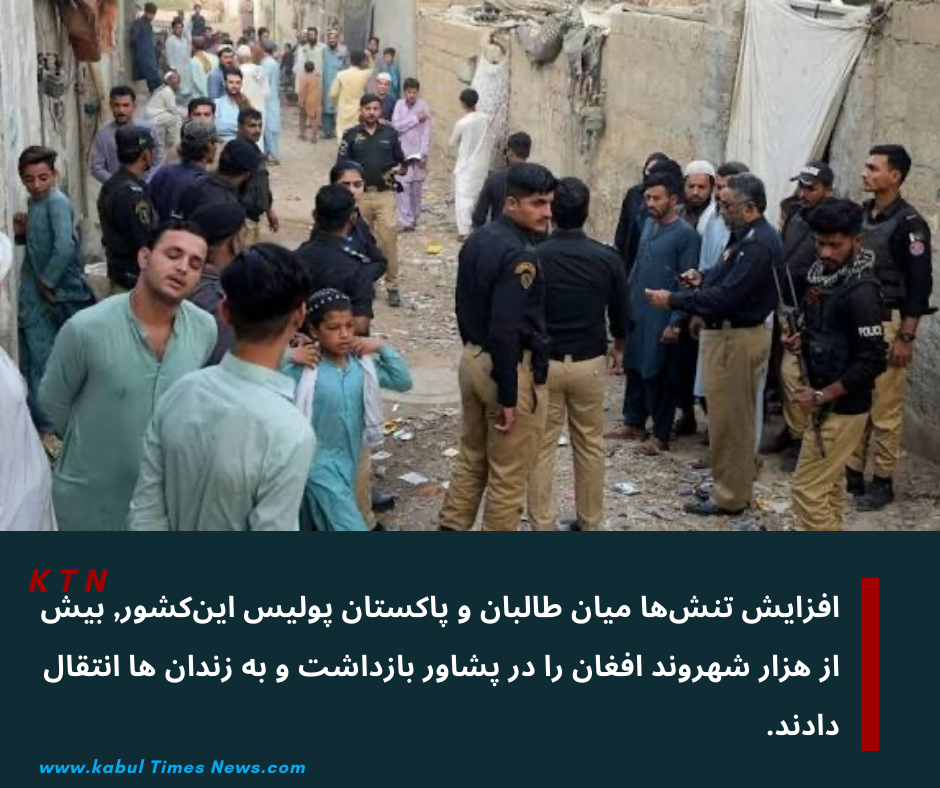
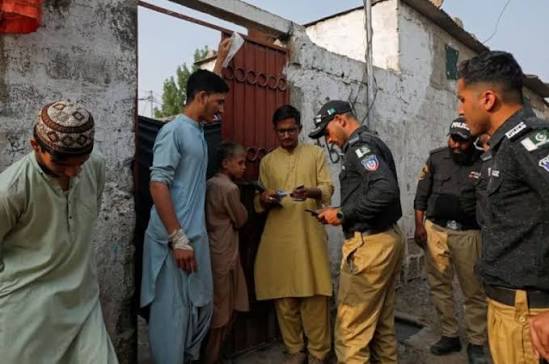
Alarming and widespread arrest of Afghan citizens in Pakistan. Transfer of more than a thousand people to prison and concerns about the order of mass detention
According to reports received from reliable sources and statements from a number of refugees, this morning all Afghan citizens who were arrested by the Pakistani police about a week ago and transferred to the Haji Camp have left this place. It is said that the number of these people is more than one thousand people and among them are women and children.
According to the information received, these people were first transferred to the Pakistan Institute of Medical Sciences (PIMS) hospital and then transferred to prison. Up to this moment, an official explanation has not been published about the reason for their transfer to the hospital and their health condition. Refugee sources describe the situation as worrying and accompanied by extreme uncertainty.
In addition to the above, I have received messages from Pakistani police officers on their WhatsApp groups stating that instructions have been issued to arrest all Afghan citizens wherever they are, whether they have a valid visa or not. It has even been said that shopkeepers and people who are legally employed will also be included in this process.
It has also been claimed that a quota has been set for some police officers and each officer has been required to arrest and transfer at least ten to twenty people to prison every day.
These plans and reports have increased fear, anxiety and mental instability among Afghan citizens.
In recent months, the process of arresting, registering, transferring and forcibly deporting Afghan citizens has increased in various cities in Pakistan. Many people, even with case numbers and UNHCR registration, have been detained for the following reasons:
lack of a valid visa
expired residence documents
problems in renewing documents
lack of access to a regular legal process
In some cases, arrests have been sudden and families have been separated. Access to lawyers, contact with family and receiving legal aid have been reported to be limited. Even UNHCR Pakistan does not return calls, and when they do, they say they are sorry, there is nothing we can do. The presence of women and children among the detainees has raised serious human rights concerns. A number of children have been deprived of education and families have faced severe mental and health problems. The mass transfer of more than 1,000 people without sufficient transparency about their future fate has further complicated the situation.
These developments are taking place at a time when tensions between the Pakistani government and the current rulers of Afghanistan have increased in recent days.
Afghan citizens residing in Pakistan face numerous challenges, including:
Difficulty in obtaining and renewing visas
High costs of legal residence
Lack of access to formal employment
Persistent fear of detention
Risk of forced deportation to precarious conditions
Many of these individuals are unable to return safely due to security threats, poverty or personal problems.
Given the large-scale dimensions of this incident and reports of mass detention orders, international human rights institutions, refugee protection organizations and UN offices are urged to:
1. Urgently investigate and establish the facts
2. Closely monitor the situation of detainees
3. Prevent the detention of legally documented individuals
4. Prevent family separation
5. Respect the principle of voluntary, safe and dignified return
6. Urgently address the urgent needs of women and children
The widespread detention and transfer of over 1,000 Afghan citizens from Haji Camp to PIMS Hospital and then prison, along with reports of mass detention orders and daily quotas for officers, have brought the situation of refugees to a worrying stage.
Transparency, respect for human rights principles, adherence to domestic laws and international obligations, and avoidance of hasty actions seem more necessary now than ever.
This report has been prepared with the aim of informing, warning, and drawing the immediate attention of responsible institutions and the international community.
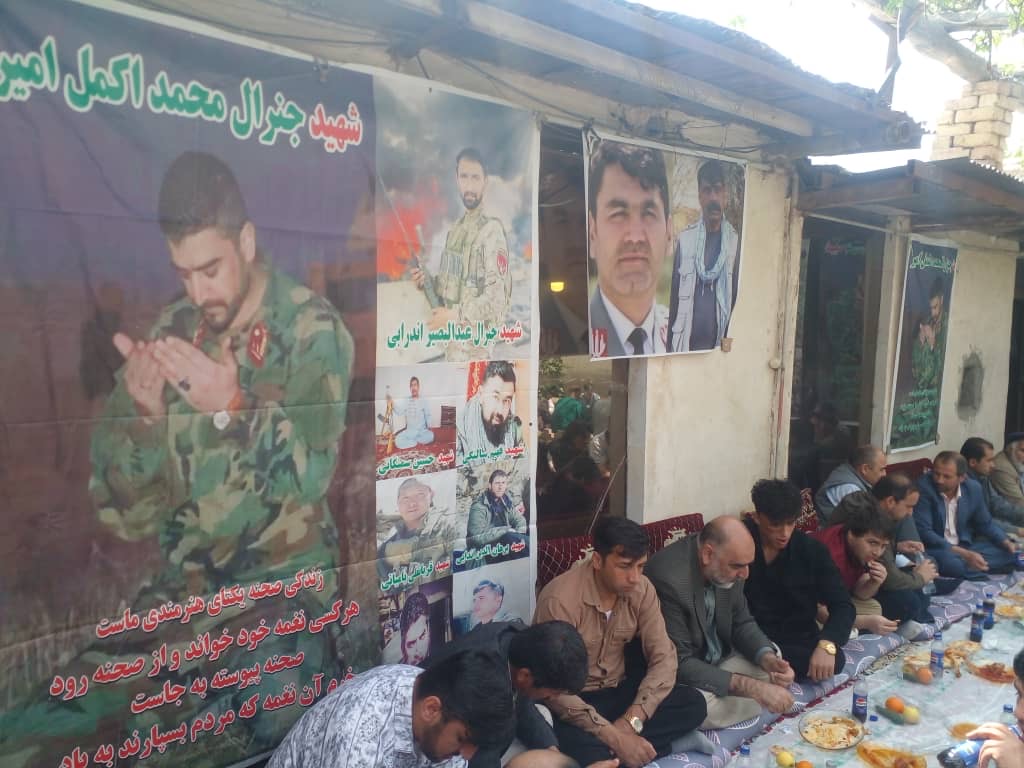
Father and son of immigrants become victims in war