Historical, Political, and Social Analysis of a Complex Reaction
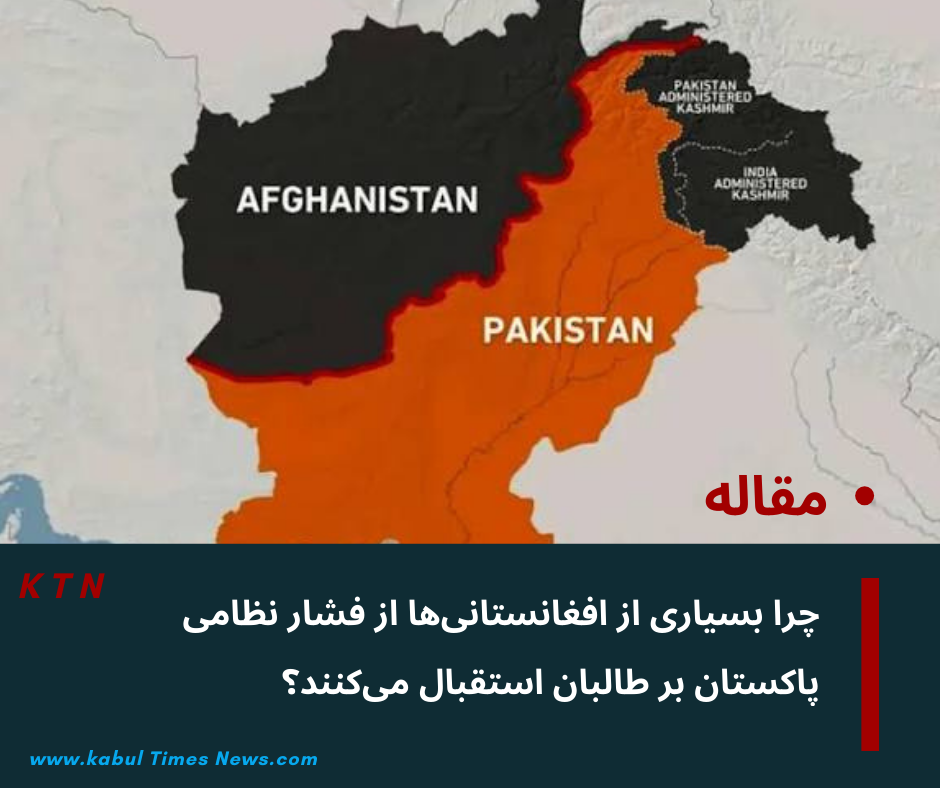
Relations between Afghanistan and Pakistan have been characterized by distrust, geopolitical rivalry, and historical differences since the establishment of Pakistan in 1947. One of the most important axes of this dispute is the issue of the Durand Line; a border that was drawn during the colonial period and remains disputed by parts of Afghan society to this day, especially in the context of identity and ethnic demands. This issue is particularly linked to the issue of Pashtun identity and tendencies related to the concept of Pashtunistan, and has become one of the enduring factors of tension between the two countries.
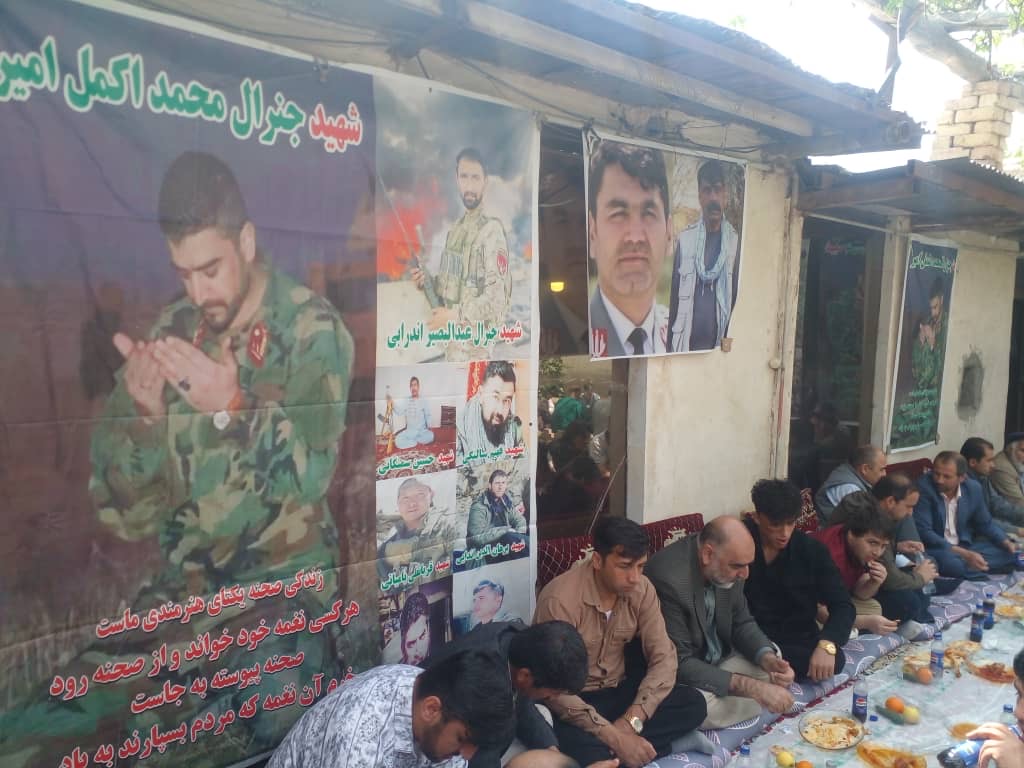
However, the positive reaction of many Afghans to Pakistan’s recent military operations against the Taliban cannot be analyzed solely in the context of bilateral relations, but must be examined in the context of Afghanistan’s bitter domestic experiences over the past two decades. During the 20-year war and after its return to power in 2021, the Taliban have been associated with memories of violence, terror, and the loss of loved ones for a large part of Afghan society. Thousands of Afghan families have lost their children, fathers, mothers, and relatives in suicide attacks, explosions, and armed conflicts. These experiences have left a deep scar in the collective memory of society.
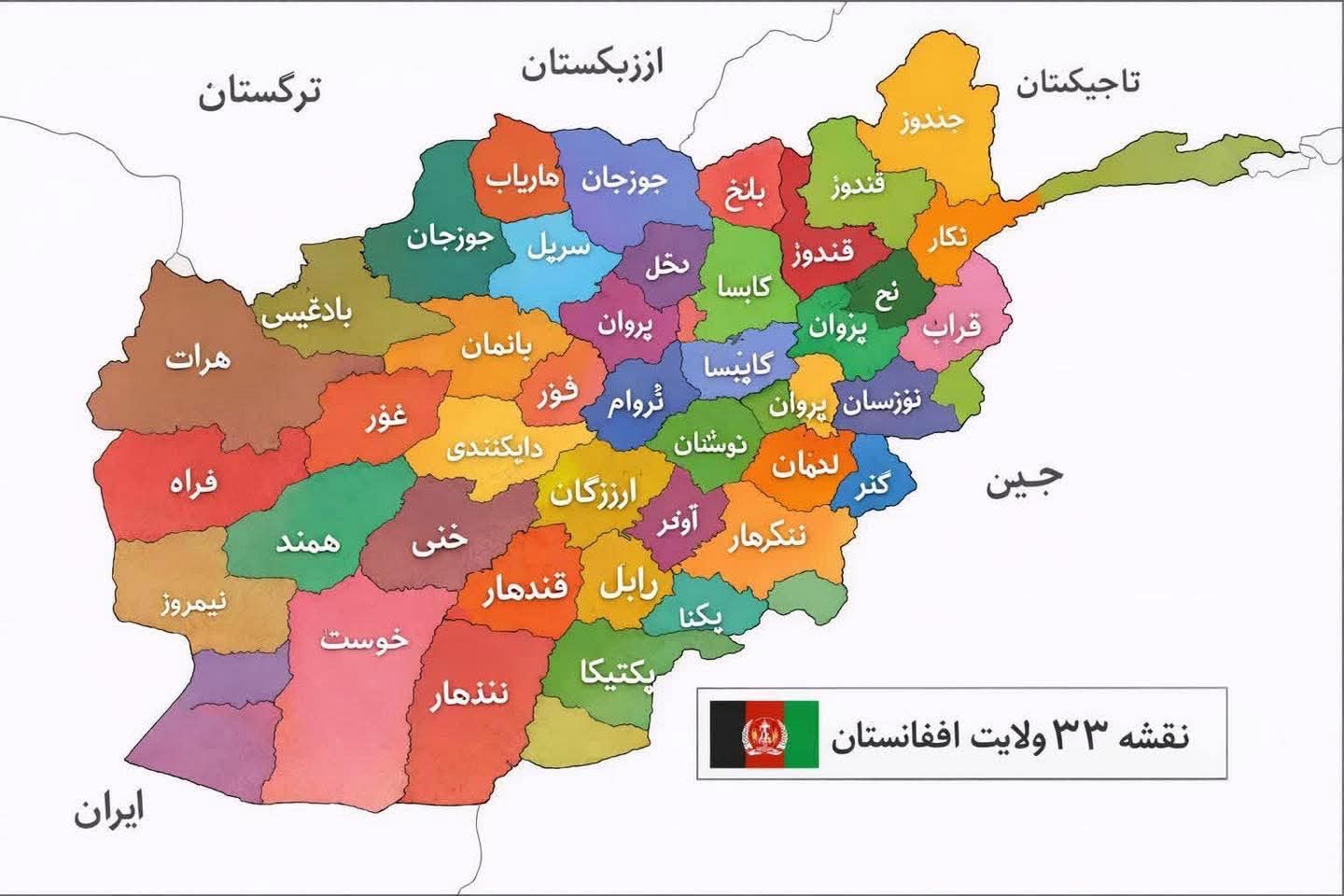
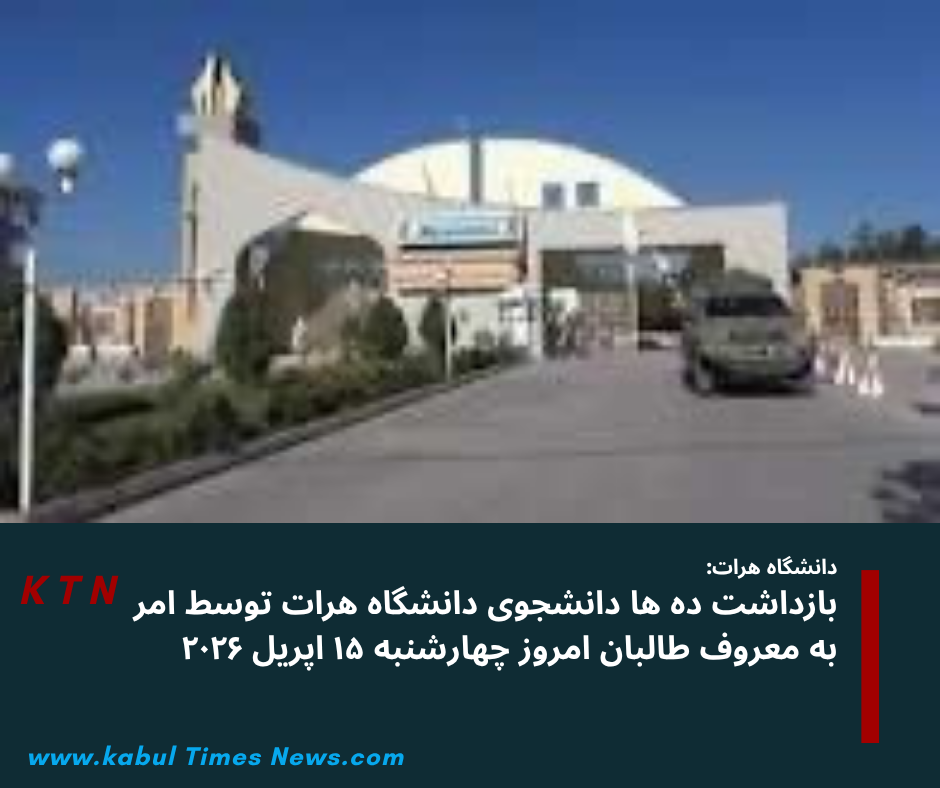
In addition, events after the Taliban took power, including clashes and military operations in areas such as Panjshir, have raised concerns about the country’s political and security future. For many Afghans, these events were seen as a clear sign of the continuation of rule based on force and the elimination of dissent. This situation, combined with social restrictions on all communities, especially women and girls, the economic crisis, widespread unemployment, and international isolation, has increased public dissatisfaction.
Another important factor is the concern that Afghanistan is becoming a battlefield for regional armed groups to compete and operate. Many Afghans believe that the continued presence and activity of extremist groups within the country has exposed Afghanistan to regional conflicts and external pressures. In this light, any external pressure on the Taliban, including from Pakistan, can be seen by this group of citizens as a factor in weakening the structure that they see as responsible for the continued instability.
At the same time, it is also noteworthy that this positive reaction does not translate into widespread trust in Pakistan.
Afghans’ historical memory remains shaped by decades of competition, intervention, and mistrust. However, for many people, deep resentment of the Taliban, personal experiences of violence, and frustration with the current situation have led to pressure on the Taliban—if it comes from a historical rival—being seen as a potential turning point on the path to change.
Ultimately, the acceptance by a significant portion of Afghans of military pressure on the Taliban should be seen more as a reflection of deep war fatigue, the pain of losing loved ones, and a desire for stability, justice, and a different future for the country. This reaction, rather than reflecting a change in attitude toward Pakistan, reflects the depth of the internal crisis and the level of dissatisfaction with the current situation in Afghanistan.
Article