Political analysis of the role of coalitions in managing regional wars
In the contemporary international system, great powers, especially the United States, do not rely solely on military means in the face of regional crises; they also use a combination of hard power and soft power. This approach can also be seen in the tensions related to Iran and Israel.
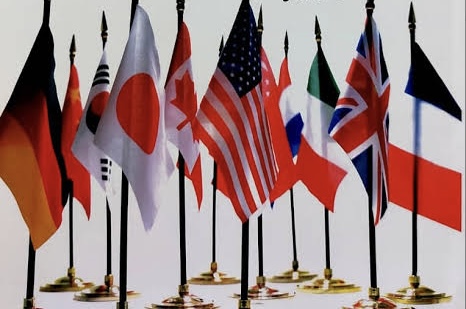
War in today's world is not simply a confrontation on the battlefield; it is a set of political, legal, economic, and media competitions. Whenever a great power feels that continuing the conflict will impose heavier costs on its national interests, it tries to use diplomatic channels and coalition-building. In such circumstances, several aligned countries become active to:
Strengthen the legitimacy of actions from a legal perspective;
Provide the basis for a ceasefire or cessation of conflict through international institutions;
Manage the pressure of global public opinion;
And prevent the war from spreading to the regional or global level.
In this context, the cessation of hostilities can have two different interpretations:
From one perspective, it is a sign of intelligent crisis management and prevention of escalation of losses;
And from another perspective, it is considered an attempt to change the playing field and prevent the appearance of military defeat.
Historical experience shows that no power wants to appear on the world stage with the image of defeat. Therefore, even in the event of a retreat or change of strategy, this action is usually presented in the form of a peace initiative, support for international law, or defense of regional stability.
Ultimately, what determines the fate of wars is the balance between costs and benefits, internal and external pressure, and the degree of readiness of the parties to accept a political agreement. The history of international relations has shown that most wars have ended not with absolute victory, but with some kind of political compromise.
Analysis