Afghanistan food crisis on alert; only 16 percent of humanitarian aid has been provided
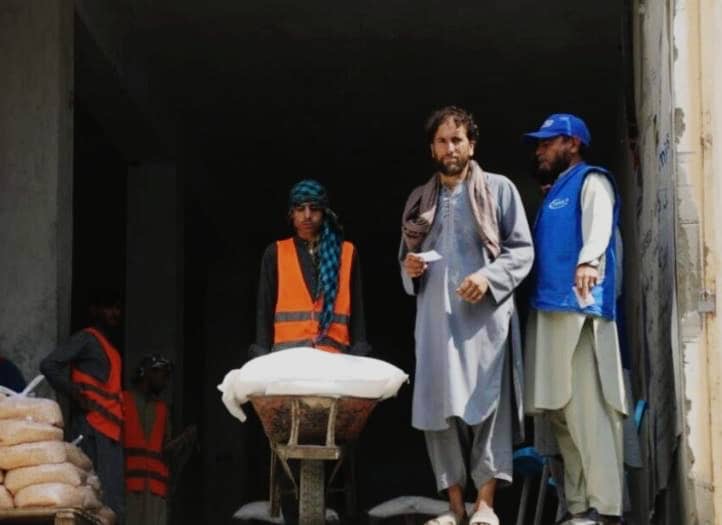
The UN Office for the Coordination of Humanitarian Affairs (OCHA) has announced that Afghanistan needs $1.71 billion in funding this year to respond to humanitarian needs, but so far only $269 million, equivalent to 16 percent of this amount, has been provided.
In a statement, OCHA warned that the severe funding shortfall could jeopardize the life-saving capacity of aid and leave millions without vital support.
Meanwhile, the US-based Data for Afghanistan has reported that more than 11 million people in Afghanistan will face food insecurity at or above crisis levels this year. According to the report, many workers in different parts of the country still cannot afford to buy basic food.
The organization emphasized that between April and September 2026, more than 11 million people will face “crisis”, “emergency” or “catastrophic” food situations. Badakhshan, Balkh, Bamyan, Daikundi, Faryab, Ghor, Jawzjan, Kunar and Sar-e-Pul provinces have been identified as vulnerable hotspots, with at least 40 percent of the population living in crisis or worse.
Jawzjan tops the list with the highest levels of severe food insecurity; half of the province’s vulnerable population lives in crisis or worse. This is followed by Faryab, Daikundi and Ghor with 45 percent each, and Bamyan, Balkh, Sar-e-Pul, Kunar and Badakhshan with 40 percent each.
The report highlights that people’s inability to afford food remains a serious problem and that without urgent support, the humanitarian situation in Afghanistan will rapidly deteriorate.
Reporter: Shahbanu Noori
Afghanistan food crisis on alert; only 16 percent of humanitarian aid has been provided