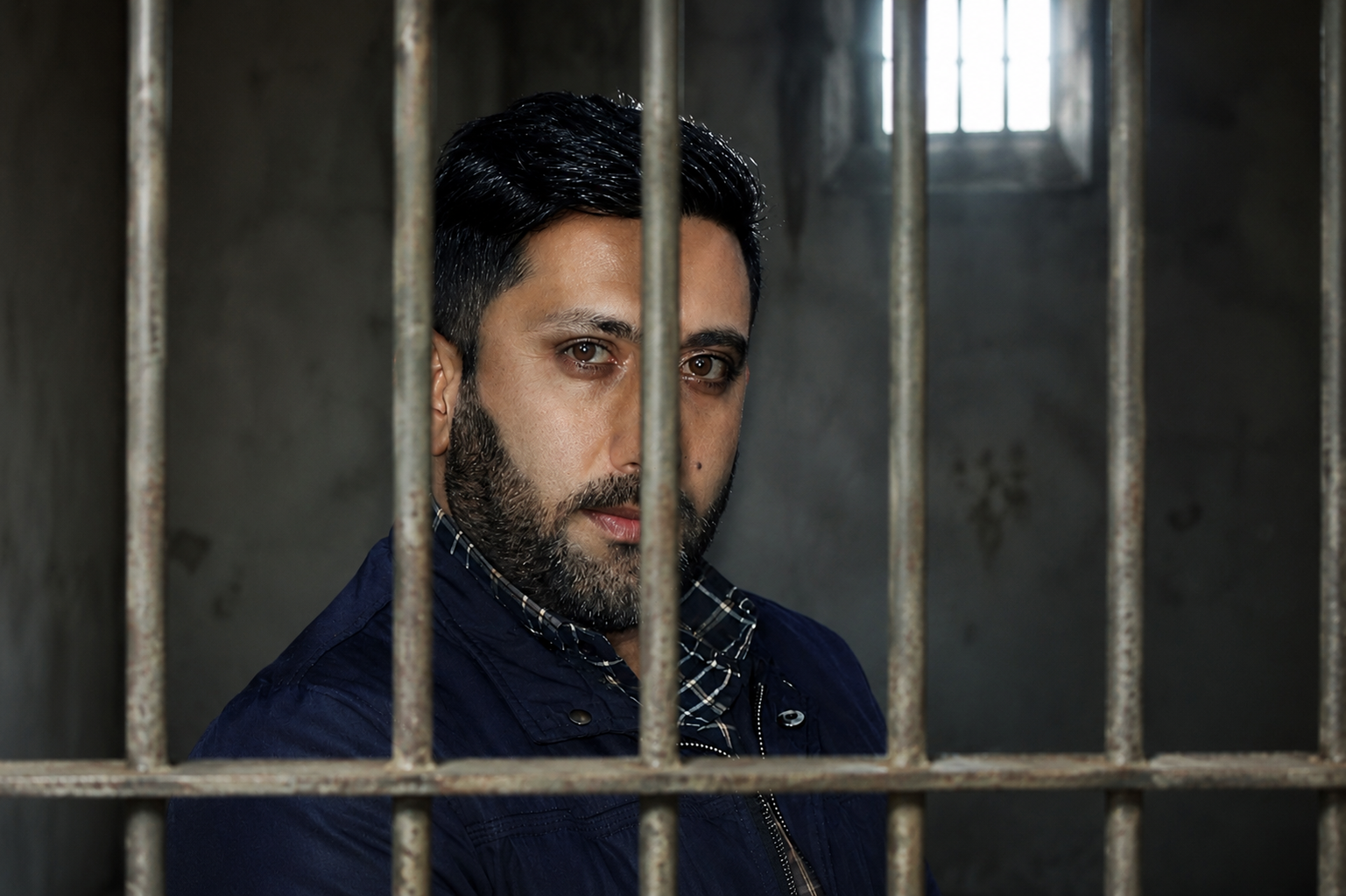
In today’s Afghanistan, the truth is neither heard nor tolerated; instead, it is imprisoned.
More than one month has passed since the detention of Javid Niazi, owner and publisher of Paygard News Agency, yet his family remains deprived of the most basic human right: the opportunity to see and meet their loved one.
This prolonged denial of family visitation has not only intensified concerns about his condition and fate, but also raises serious questions regarding respect for human rights, the rule of law, and human dignity.
The detention of a journalist and the continued denial of family visits inevitably raises concerns about the tolerance of independent voices and freedom of expression in Afghanistan. If there are legal accusations against him, they should be addressed transparently and within a clear legal framework. Keeping an individual isolated while denying family access serves only to deepen the suffering, anxiety, and uncertainty endured by those closest to him.
Javid Niazi’s family spent the Eid holidays anxiously awaiting any news of their loved one. Days that should have been marked by peace, hope, and family unity were instead overshadowed by fear, sorrow, and uncertainty. This prolonged silence and lack of information have left a deep wound on the hearts of his family, friends, and colleagues.
Truth cannot be silenced through detention and imprisonment. History has repeatedly shown that prisons have never succeeded in extinguishing the voice of truth. People may be confined behind walls and bars, but ideas, principles, and the truth itself cannot be imprisoned.
The continuation of this situation is a source of deep concern, regret, and shame. Denying a family the right to know the fate of their loved one and preventing them from meeting him is not merely a personal matter; it is a test of commitment to fundamental human rights and human dignity—a test that public opinion continues to follow closely.
Prison Bars Against the Truth: One Month Since the Detention of Javid Niazi