The Longing of Migratory Birds for Their Homeland
From Writing to Conquering the Heights of International Challenges in Exile: Why Have Young Afghans Been Deprived of the Opportunity to Rebuild Their Homeland?
Author: Zahir Jahesh
I invite you to read a story of hope, exile, love, and longing for the homeland—a story about a boy who passed through narrow windows and difficult valleys, rediscovering the meaning of existence and life amid the twists and turns of his journey. He was a boy whom life knocked down time and again, yet it could never take away his dreams.
Looking back today, I realize that the path I once considered dark, difficult, and impossible to cross could, in fact, be travelled with hope and perseverance. Sometimes, to overcome the hardest roads, all one needs is a heart that never stops beating for hope and a spirit that refuses to surrender to life’s storms.
Indeed, the world offered little joy or happiness to our generation in Afghanistan. Our childhoods were intertwined with the sounds of gunfire, the fears hidden in the corners of our homes, and the anxious eyes of our mothers and fathers. Instead of running through the streets after kites, we sometimes sought refuge in one another’s arms when explosions rang out. The sky of our childhood was more familiar with smoke and the dust of war than with the bright colours of dreams.
Our adolescence and youth were also crushed in the millstones of political turmoil, leaving the future looking more like an unanswered question than a clear path. We grew up in a time when keeping a dream alive sometimes demanded every ounce of our strength, and hope had to be found among the ashes.
Time took a mountainous leap—a leap that carried me away from the embrace of Kapisa’s steadfast mountains, from its historic valleys and the streets that still preserve the scent of my childhood, into the distant lands of exile. It was as though fate had uprooted me from the land where my roots had taken hold, forcing me to seek the meaning of life anew in another place.
Yet no distance could silence the voice of my birthplace within my heart—not borders, not the passing years, nor the days spent in silence between leaving and staying. Even so, amid all that darkness, a small but stubborn light remained alive within me. It urged me to carry on and reminded me that life is not merely about enduring difficult days; it is also about finding meaning in the journey ahead.
Perhaps one of life’s most beautiful meanings is finding someone whose presence brings peace, whose voice offers shelter, and whose smile heals the wounds of years. Someone who neither denies your past nor fears your scars, but instead takes your hand and gently whispers to your heart: “From this moment on, you are no longer alone.”
Perhaps all those hardships, sleepless nights, and bitter days were a prelude to understanding the deeper meaning of love—a love that sometimes blossoms not in comfort, but amid suffering. A love that understands that behind every smile may lie a story of tears, and behind every silence, thousands of unspoken words.
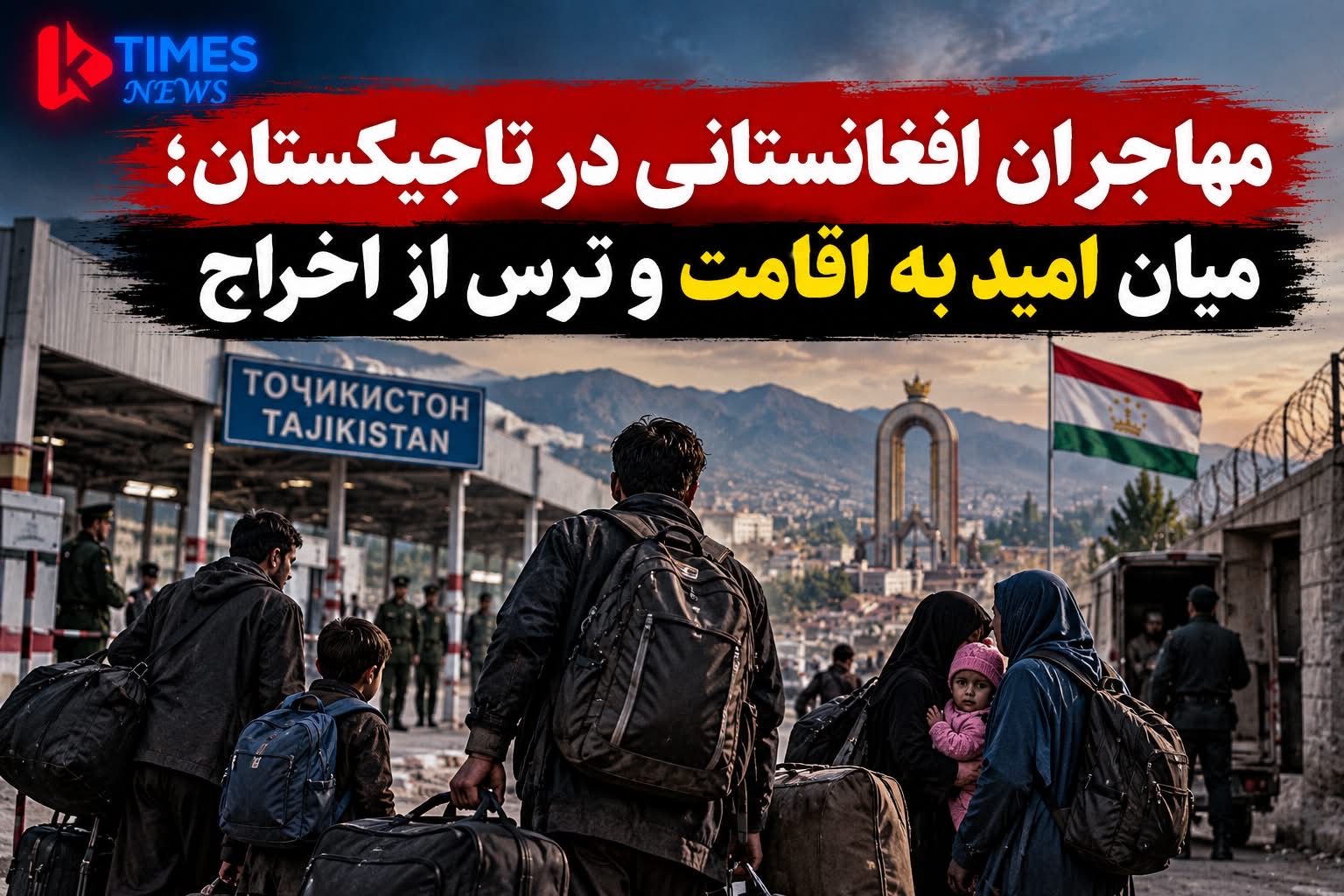
Today, in the streets of Dushanbe, in a country that once seemed like a distant dream, I sometimes hear the voice of my homeland in the gentle sound of flowing water and the songs of birds. Birds fluttering inside small cages, struggling to escape confinement and find their way to the open sky, remind me of myself: a person who has spent years in the cage of exile, carrying in his heart the longing to fly back to the historic valleys of Kapisa.
Whenever water flows over the stones, it feels as though a memory of my homeland’s mountains passes through my heart. Whenever a bird sings, something inside me breaks. Perhaps it is the voice of that same child who once ran through the streets of his birthplace, unaware that one day he would have to search for those streets in his memory.
Today, from the streets of Dushanbe, I write about my homeland—a land whose absence sinks deeper into my soul with each passing day. I place my pen upon the pages of history and write of memories, pain, love, and hope. Perhaps these writings are only fragments of a life, but every word carries the voice of a people who, amid the storms of history, still believe in tomorrow.
Yet one question continues to turn in my mind: Why have Afghanistan’s young people been deprived of the opportunity to rebuild their homeland? Why have so many people who could have put their knowledge, abilities, and talents to work for their country’s progress been forced to leave their homes? Why must so many young people pursue their dreams in exile rather than see them flourish in their own land?
These questions are not merely part of my personal story; they reflect the lives of thousands of young people who have left their homeland in search of security, education, employment, and a better future. They may be far from their native soil, but their hearts still beat for its renewal and progress. Migration may create distance between people and their birthplace, but it cannot necessarily erase their bond with their language, culture, and memories.
I made my way through life’s storms—not because I was stronger than others, but because I continued to believe in a better tomorrow. If life has taught me anything, it is that the greatest victory does not always mean reaching a destination. Sometimes, true victory lies in preserving hope during days of despair and finding peace amid hardship.
Perhaps I am still that same boy who once passed through narrow windows and difficult valleys; the boy who left the mountains behind but could never free himself from their memories. Today, in exile, surrounded by the sound of flowing water and the songs of birds, he writes for his homeland, returning a piece of his heart to his birthplace with every word.
I still believe that life’s most beautiful window is the one that opens toward another human heart—a window through which love, peace, and hope can be seen once again. Perhaps one day I will return to those same valleys: to Kapisa, to the streets of my childhood, and to the embrace of the mountains. When that day comes, if the wind passes through the trees and the sound of water calls me by name, I will know that I was never truly far from my homeland.
For a homeland is more than a geographical place. It is memory, language, roots, and a love that remains alive in the human heart, even at the farthest corner of the world. I may be far from my homeland, but my homeland still breathes within me—in my words, in my dreams, and in the longing of migratory birds that remind me every day of the sky and the way home.
The Longing of Migratory Birds for Their Homeland