Legal and Strategic Analysis of Pakistan’s Claim of Obligation to Destroy Remaining US Military Equipment in Afghanistan and the Issue of Bagram Base
Introduction
After the withdrawal of US Department of Defense military forces from Afghanistan in August 2021, some military equipment belonging to the United States and former Afghan security forces remained in the country. This issue has become an important topic in regional geopolitical discussions from the very beginning.
In the meantime, claims have been made that the United States has obligated Pakistan to destroy the remaining equipment, and some analyses also raise the possibility of applying military pressure, including bombing Bagram Base, to recapture or reuse it. This article attempts to examine these claims from the perspective of international law, regional politics, and field realities.
Status of Remaining Military Equipment
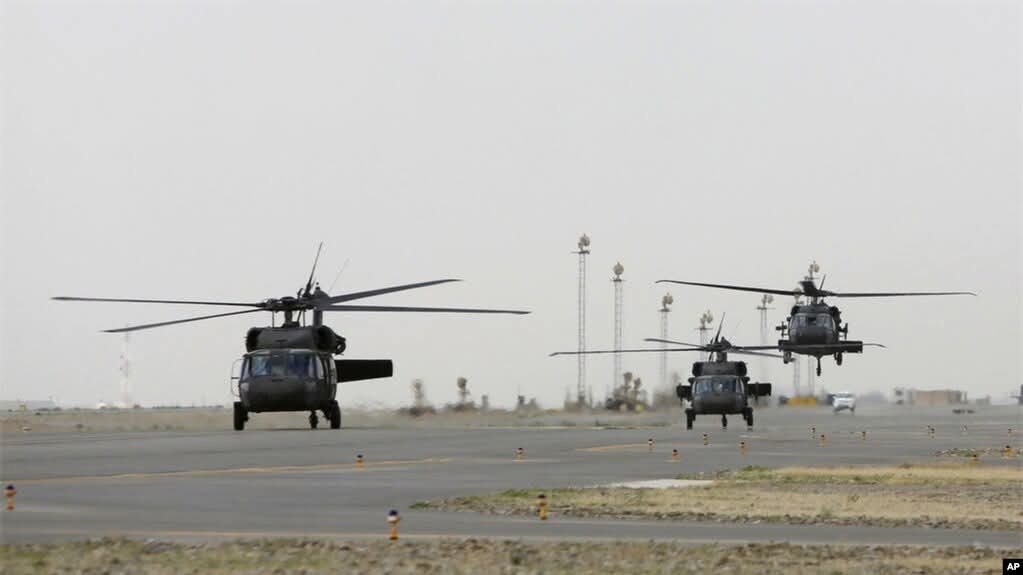
According to official reports published by the Pentagon, a significant portion of the advanced equipment was deactivated or destroyed before the final withdrawal, rendering it unusable. This equipment included armored vehicles, aircraft, light weapons, and some technical systems.
However, images released after the fall of Kabul showed that a significant amount of visible equipment had been transferred to the Taliban. This raised concerns at the regional and international levels about the possibility of transferring or reusing this equipment.
Examining Pakistan’s claim of obligation
As of the date of this article, no official document, public treaty, or joint statement has been published by Washington and Islamabad that would indicate that the United States has obligated Pakistan to destroy military equipment on Afghan soil.
From the perspective of international law, conducting military or destructive operations on the territory of an independent country without the authorization of the ruling government or a Security Council resolution is considered a violation of the principle of national sovereignty. In the current situation, Afghanistan is under Taliban rule, and any direct military action by a third country would have widespread legal and political consequences.
Pakistan’s role in the developments in Afghanistan has always been complex and multifaceted; However, an official move to destroy equipment inside Afghanistan, without a clear legal framework, could severely affect regional relations.
Strategic Position of Bagram Air Base
Bagram Air Base
Bagram Air Base, located in Parwan Province, was the most important US military base in Afghanistan during the two decades of military presence. The base had special strategic importance due to its geographical location, access to Central Asia, and relative proximity to China, Iran, and Russia.
Regarding the claim of bombing Bagram with the aim of exerting pressure to hand it back to the United States, no credible report from official American sources or international institutions has so far confirmed such a plan. Any direct attack on this base could have serious security consequences, regional reactions, and even intensifying great power competition.
From the perspective of strategic analysis, a direct US military return to Bagram would require a political agreement with the current Afghan government or the establishment of new security arrangements within the framework of regional interactions.
Geopolitical Analysis and Possible Scenarios
In a macro analysis, the issue of remaining equipment and Bagram can be assessed in the context of great power competition:
Scenario One: Maintaining the status quo
Continuation of the current situation without direct intervention, focusing on intelligence monitoring and diplomatic pressure.
Scenario Two: Undisclosed security agreement
Possibility of behind-the-scenes cooperation between some regional actors to manage security threats, without official announcement.
Scenario Three: Escalation of military tension
For which there is currently no evidence of its imminent occurrence and its political costs will be very high.
Finally,
A review of the available evidence shows:
Pakistan’s claim of official obligation to destroy American equipment in Afghanistan has not yet been confirmed by credible sources.
The issue of bombing Bagram as a tool of political or military pressure lacks official support in public sources.
Any direct military action in this regard will have widespread regional and international consequences.
In the current situation, the management of developments in Afghanistan is pursued more within the framework of geopolitical competitions and indirect security considerations than overt military action.
National Solidarity of the Afghan People
The outcome of the war between the Taliban and Pakistan