The Emirate and the Opposition
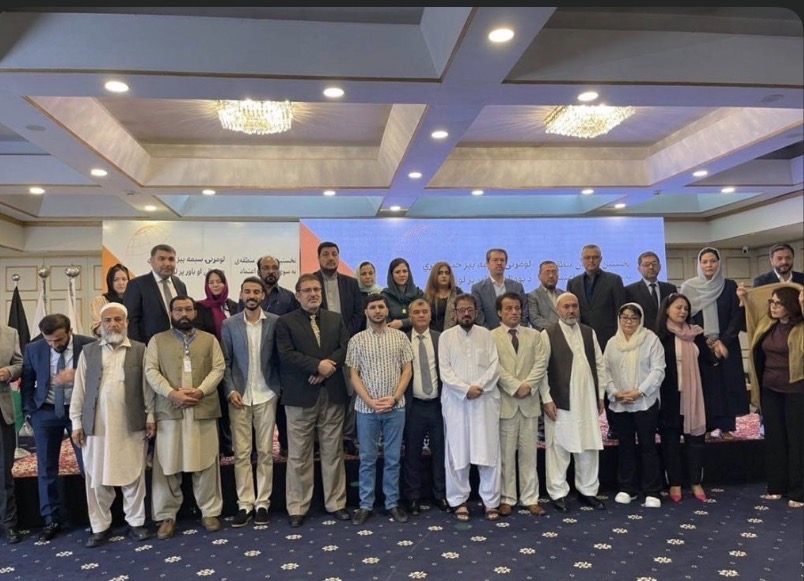
Some figures, representatives of Afghan political parties and activists, numbering about sixty people, held a meeting in London.
The aim of this meeting, as they themselves recalled, is to unite the opponents of the Taliban around a common agenda.
It was said that this meeting is a continuation of the "Islamabad Conference" that was held in Pakistan last September and centered on Ms. "Fawzia Kofi", a member of the parliament of the republic.
The host of this two-day meeting is the British Foreign Office, and the last day of this meeting is scheduled to be spent in a visit to the British Parliament!
According to political experts, "it seems that the secret networks are not the saviors of Afghans, they want to show that the people of this country have no unity either inside or outside.
However, this is not the case. According to many countries, especially Pakistan and Iran, Afghanistan's problems from the opposition parties are very few."
The opposition or parties outside the government or the emirate have degrees, parties that are under the umbrella of the emirate and criticize some of the emirate's policies, and parties that do not accept the emirate at all, are all part of the opposition and generally fall under two axes:
Based on direct quotes from party insiders, parties that are not politically opposed to the emirate, but have their own views on some of its policies and programs:
The famous figure, Mr. Engineer Sahib Hekmatyar, leader of the Hezb-e-Islami Afghanistan, and Mr. Ustad Mohammad Akbari, leader of the "Islamic Protection of Afghanistan" party, are considered among the most important party leaders living inside.
The second group, are the leaders of parties outside the country, all of whom are considered politically opposed to the emirate. They still have differences among themselves, and their famous and prominent figure is Mr. Ahmad Massoud, leader of the "National Resistance Front."
Now the initiative and in the usual political conversation: the ball is in the court of the Islamic Emirate and the Taliban, they must adopt a dynamic and attractive policy, activate the path of contact, understanding and cooperation, and not create a favorable environment for external networks to use the existing disorder to implement their projects.
Of course, in this context and the duties of the opposition are also heavy, let's get rid of the popular idea that understanding and cooperation between the government and the parties can only be achieved by sharing power and dividing seats!
The main goal of understanding is to provide work opportunities for the parties in order to promote the intellectual and development of the country.
Goodbye
Fereidoon Afrasiabi
The Emirate and the Opposition