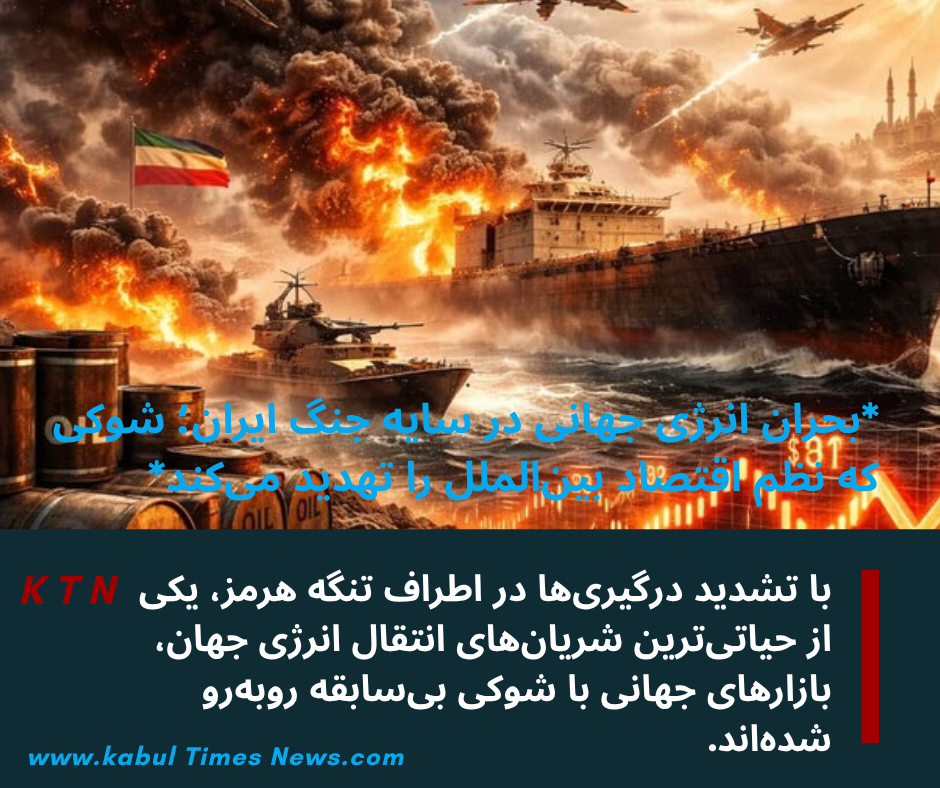
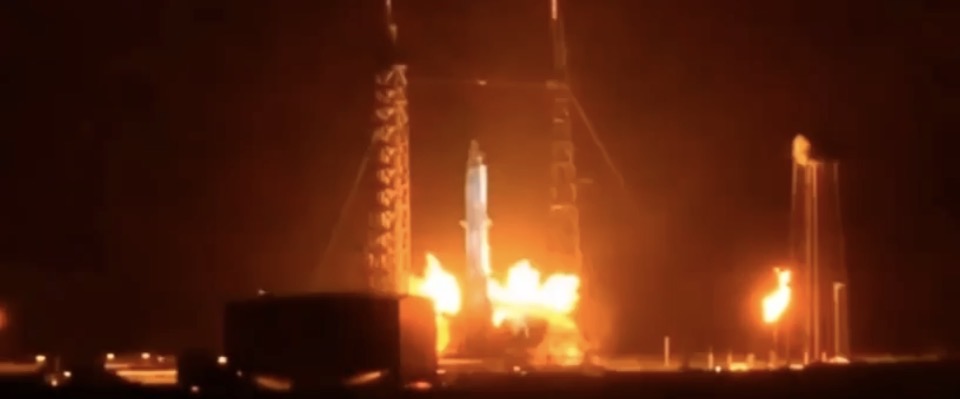
With escalating tensions around the Strait of Hormuz — one of the world’s most critical energy chokepoints — global markets are facing an unprecedented shock. What began as a regional conflict has rapidly evolved into a major security and geopolitical crisis involving great-power competition.
Rising military threats in the Persian Gulf and attacks on commercial shipping have disrupted the free passage of oil tankers. Since roughly one-fifth of global oil passes through this strategic strait, the situation has triggered a sharp drop in supply and a surge in oil prices. Insurance costs have soared, and many vessels are now taking longer, costlier routes.
The economic impact has been swift: higher energy prices have fueled inflation worldwide and raised fears of stagflation, threatening long-term global growth.
On the geopolitical front, the crisis has intensified rivalry among major powers. The United States is focused on securing maritime routes, while China — the world’s largest energy importer — is pushing for stability and greater diplomatic involvement. Russia, meanwhile, faces a dilemma: benefiting from higher oil prices but fearing broader instability.
Experts warn that prolonged conflict could lead to the complete closure of the Strait of Hormuz, causing even more severe disruptions to global energy supplies. In contrast, de-escalation would help stabilize markets and restore investor confidence.
Conclusion:
This energy crisis is far more than a temporary oil shock. It reveals deep shifts in the global order, where energy has become a powerful tool in great-power competition. The future of international security now hinges more than ever on the stability of vital energy routes and geopolitical developments.
Crisis in the Strait of Hormuz: Global Energy Shock