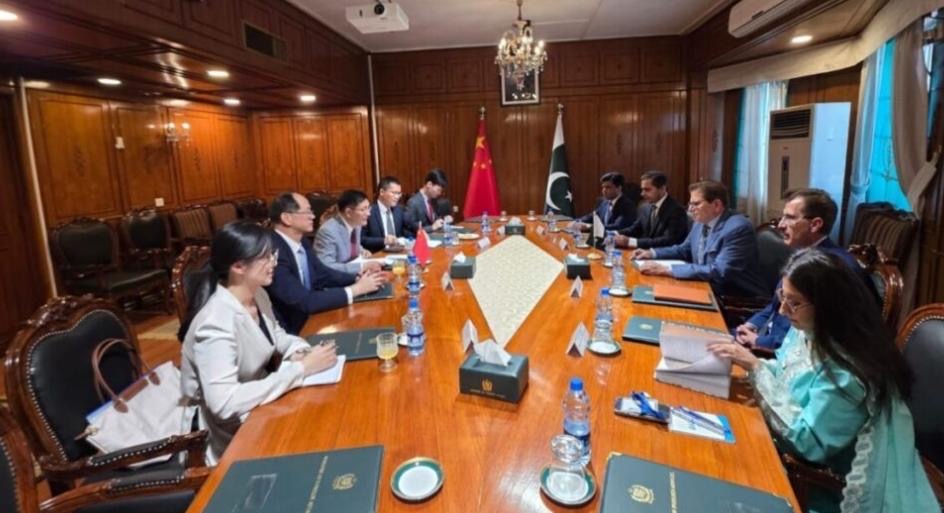
China Takes Over Afghanistan Case in Security Council
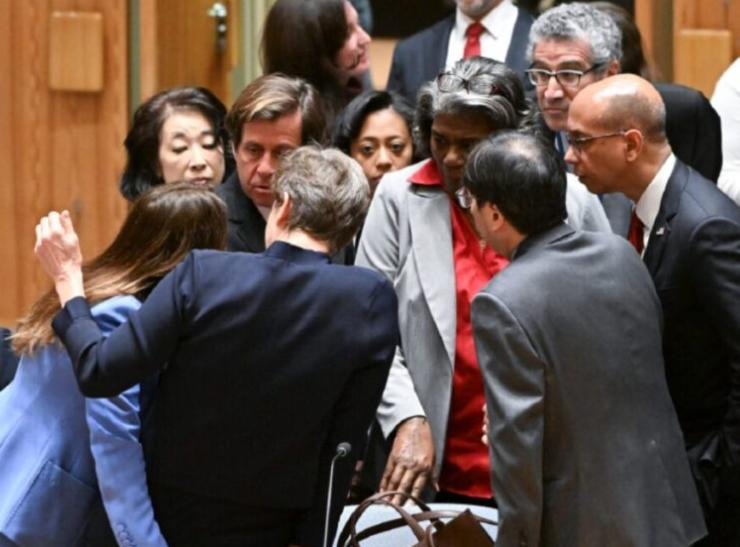
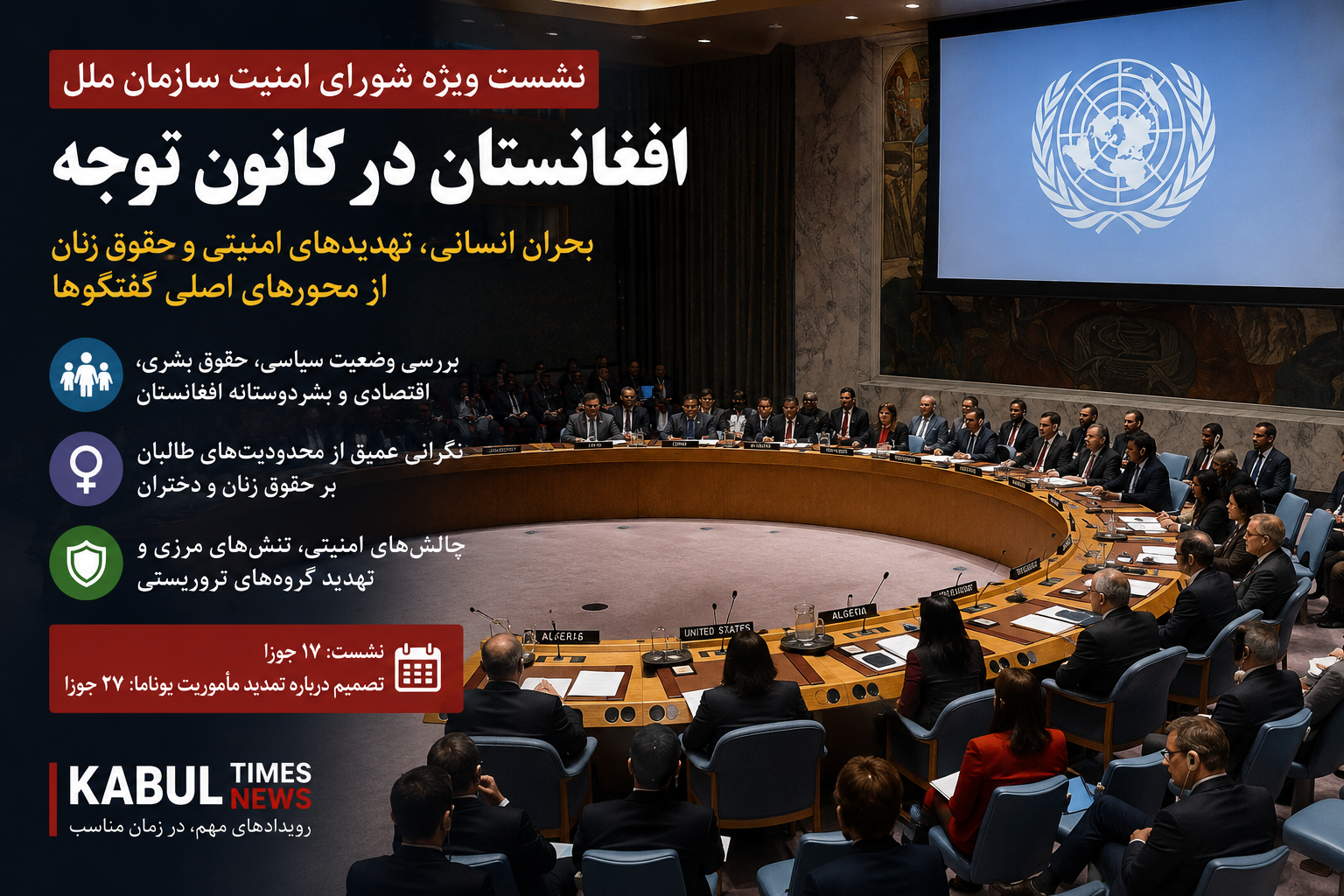
A new report by the Security Council Report shows that after months of political and diplomatic competition among members of the UN Security Council, China has been able to be designated as the sole leader of the Afghanistan case in the council; a change that observers see as a sign of Beijing's increasing influence in international equations related to Afghanistan.
According to the report, China has assumed the role of "pen holder" of the Afghanistan case in 2025; a position that includes responsibility for drafting resolutions, managing negotiations, and coordinating documents related to Afghanistan in the Security Council.
The Security Council Report described this development as one of the prominent examples of the impact of geopolitical competition on the internal functioning of the Security Council, writing that for the first time, a permanent member of the council will fully take over the management of this case.
In previous years, this responsibility was mainly in the hands of non-permanent members of the Security Council, but with Japan’s term of office ending in late 2024, a new competition has begun between China, Pakistan, and South Korea for the role.
China reportedly initially proposed that the responsibility be shared among the three countries, but the United States opposed Beijing’s leadership. The differences became more apparent when, in February 2025, China and Pakistan submitted a draft resolution on extending UNAMA’s mandate, and just a day later, the United States and South Korea sent a separate text to the Security Council.
This political wrangling further exposed the existing divide among Security Council members over how to deal with the Taliban and the future management of Afghanistan. However, after several rounds of negotiations, the two texts were merged into a single draft and eventually adopted unanimously.
After the resolution was adopted, China remained the sole sponsor of the Afghanistan file in the Security Council; This issue, analysts believe, reflects Beijing’s efforts to expand its role in major UN decision-making.
The report also emphasizes that China has increased its political and economic relations with Afghanistan in recent years, especially after the Taliban returned to power in 2021, and has always emphasized regional cooperation and ensuring stability in the country.
Despite this development, the United States still retains some of its influence and chairs the Afghanistan Sanctions Committee under the 1988 UN sanctions regime.
The authors of the report conclude that the competition over the Afghan file has now become part of a broader competition among global powers, especially between China, Russia and Western countries; a competition that could directly affect Afghanistan’s political future and the type of interaction the international community has with the Taliban.
Reporter Shahbanu Noori
China Takes Over Afghanistan Case in Security Council