Geopolitical Analysis of Afghanistan-Pakistan Relations
A Look Beyond Common Narratives
Historical Roots of Tension
Tensions in Afghanistan-Pakistan relations, from the creation of Pakistan in 1947 to the present, stem primarily from the border dispute. The Durand Line, drawn in 1893 between the British Empire and Amir Abdur Rahman Khan of Afghanistan, divided Pashtun-inhabited territories between the two sides. Afghanistan has never recognized this line as an official and permanent international border, viewing it as a colonial imposition.
After Pakistan’s independence, Afghanistan demanded a revision of the border or the creation of an independent “Pashtunistan” — an idea supported by figures such as Khan Abdul Ghaffar Khan (Bacha Khan). This stance created deep mistrust from the outset. Afghanistan was, in fact, the only country to vote against Pakistan’s admission to the United Nations in 1947.
Pakistan’s Geopolitical Objectives
To understand Pakistan’s policy toward Afghanistan, several core priorities must be considered:
a) Strategic Depth
This concept remains a cornerstone of Pakistan’s security doctrine in its rivalry with India. Islamabad fears that in any major conflict with India, it could be squeezed from the east with limited maneuverability. Therefore, it prefers a friendly or at least non-hostile government in Kabul that prevents Indian influence in Afghanistan. After 2001, India’s extensive investments in Afghanistan (in infrastructure, roads, and development projects) were perceived by Pakistan as a direct threat. Even after the Taliban’s return to power in 2021, this concern persists, though Pakistan’s “strategic depth” policy has increasingly encountered serious challenges and, in practice, risks turning into a strategic deadlock.
b) Managing the Pashtun Issue
Pakistan is a multi-ethnic state in which Pashtuns form a significant portion of the population. Islamabad has long worried that Pashtun nationalism originating in Afghanistan could spill over into its own territory, potentially reviving the “Pashtunistan” idea and threatening Pakistan’s territorial integrity — a concern heightened by recent militant activities in the tribal regions.
c) Access to Central Asia
Afghanistan serves as a geographical bridge for Pakistan to Central Asia. Access to energy resources (natural gas and oil) and regional markets is vital. Projects such as the Turkmenistan–Afghanistan–Pakistan–India (TAPI) gas pipeline illustrate this importance. As of early 2026, construction on the Afghan section has seen limited progress (about 25 km laid in Herat province with preparations for another 120 km), but ongoing border instability continues to pose risks to its completion.
The Role of Great Powers
Afghanistan has long been an arena for competition among major powers:
• Colonial Era (Britain): The Durand Line was part of the “Great Game” to create a buffer zone against Tsarist Russia’s advance toward warm waters.
• Cold War: The Soviet invasion of Afghanistan in 1979 turned the country into a battlefield. Pakistan, alongside the United States, supported the Mujahideen. This period significantly strengthened the role of Pakistan’s Inter-Services Intelligence (ISI) and provided Islamabad with long-term tools of influence in Afghanistan.
Pakistan has employed various instruments to shape outcomes in Afghanistan: political networks and proxy groups, intelligence operations through the ISI, economic leverage, and control over transit routes. The overarching goal has been to create a favorable security environment and prevent the emergence of a fully independent, nationalist Afghanistan.
Is Afghanistan Merely a Theater of Competition?
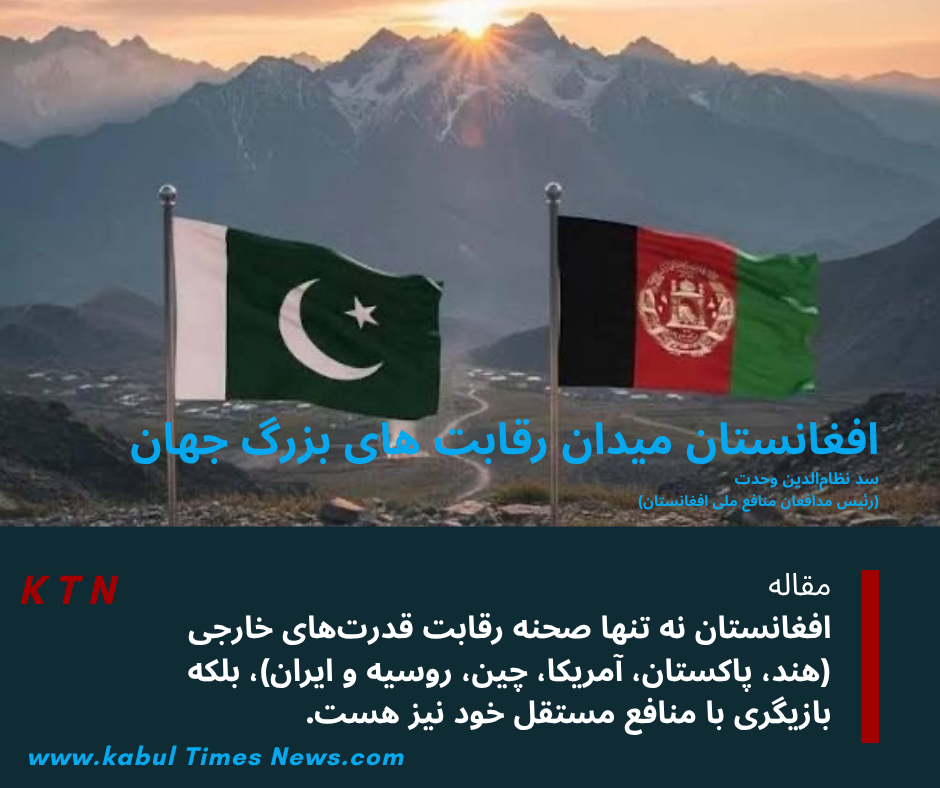
Not entirely. Afghanistan is both a stage for great-power rivalry (involving India, Pakistan, the United States, China, Russia, and Iran) and an actor with its own independent interests. Its geostrategic location — at the crossroads of South Asia, Central Asia, and the Middle East — combined with periods of weak state institutions, has often turned it into a battlefield. However, the Taliban government since 2021 has demonstrated a desire for greater autonomy, sometimes resisting Pakistani pressure (for example, by not fully handing over Tehrik-i-Taliban Pakistan (TTP) leaders and through recent border tensions).
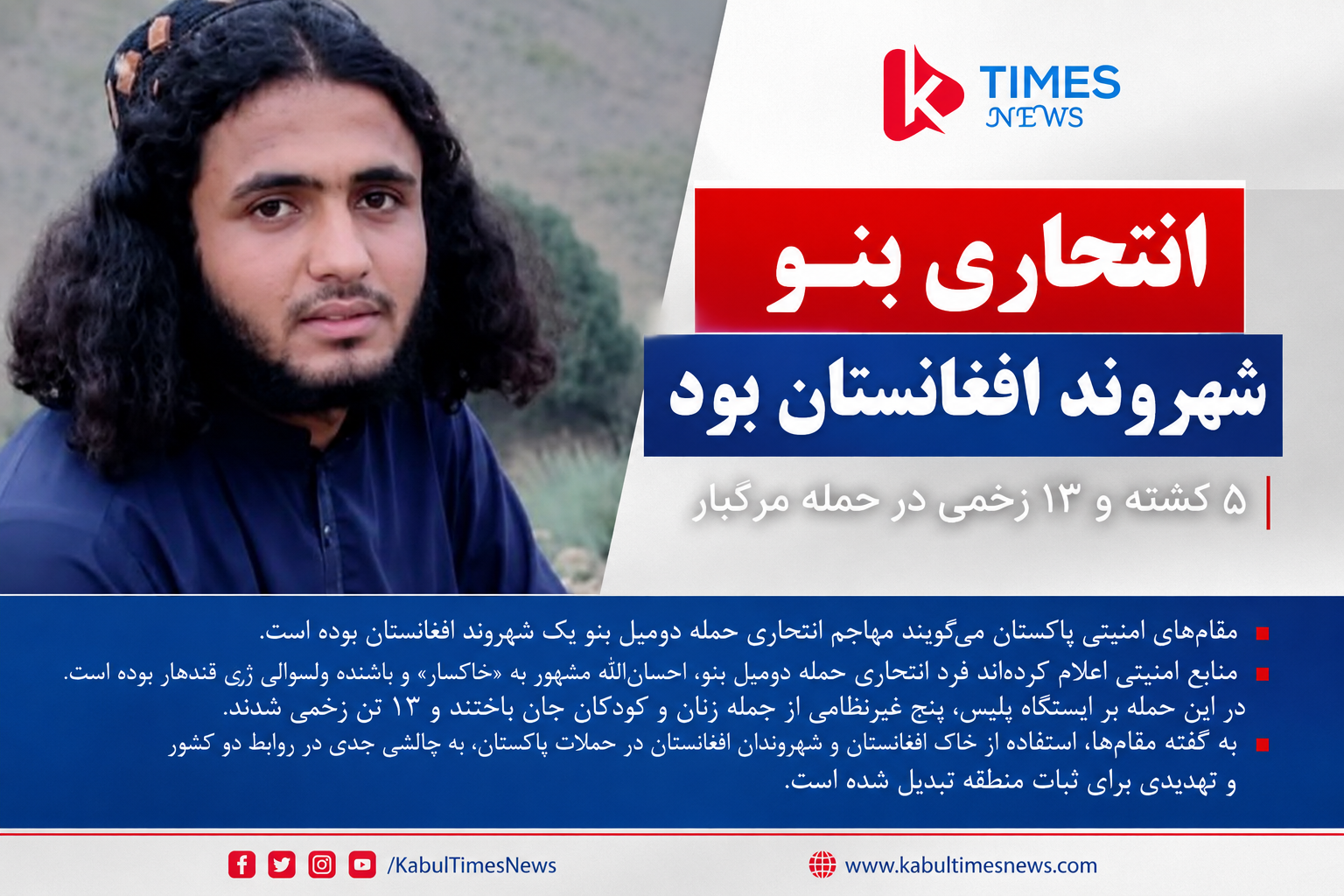
In 2025–2026, these frictions escalated into direct skirmishes and airstrikes, with Pakistan conducting operations inside Afghanistan targeting alleged TTP sanctuaries, and Afghan forces responding with cross-border actions. These events highlight the limits of proxy-based strategies and the persistence of underlying disputes.
Analytical Conclusion
Afghanistan-Pakistan relations cannot be explained solely through conspiracy theories or notions of inherent enmity. They result from a complex interplay of factors: historical border disagreements (the Durand Line), geopolitical rivalry with India, Pakistan’s internal security concerns (including the TTP threat and Pashtun nationalism), the historical involvement of great powers (Britain, the US, and the Soviet Union), and Afghanistan’s strategic importance as a connectivity bridge and defensive depth.
In a cold, realistic assessment, Pakistan seeks to control its western security environment, while Afghanistan prioritizes preserving its independence, national identity, and territorial integrity. This fundamental contradiction has kept relations chronically tense and, at times, has led to direct border confrontations, as seen in 2025–2026.
Sustainable resolution of these tensions requires moving beyond proxy tools and military pressure toward direct dialogue, mutual respect for each side’s concerns, and cooperation on shared economic and security interests in the region.
Analysis: What Pakistan is looking for in Afghanistan